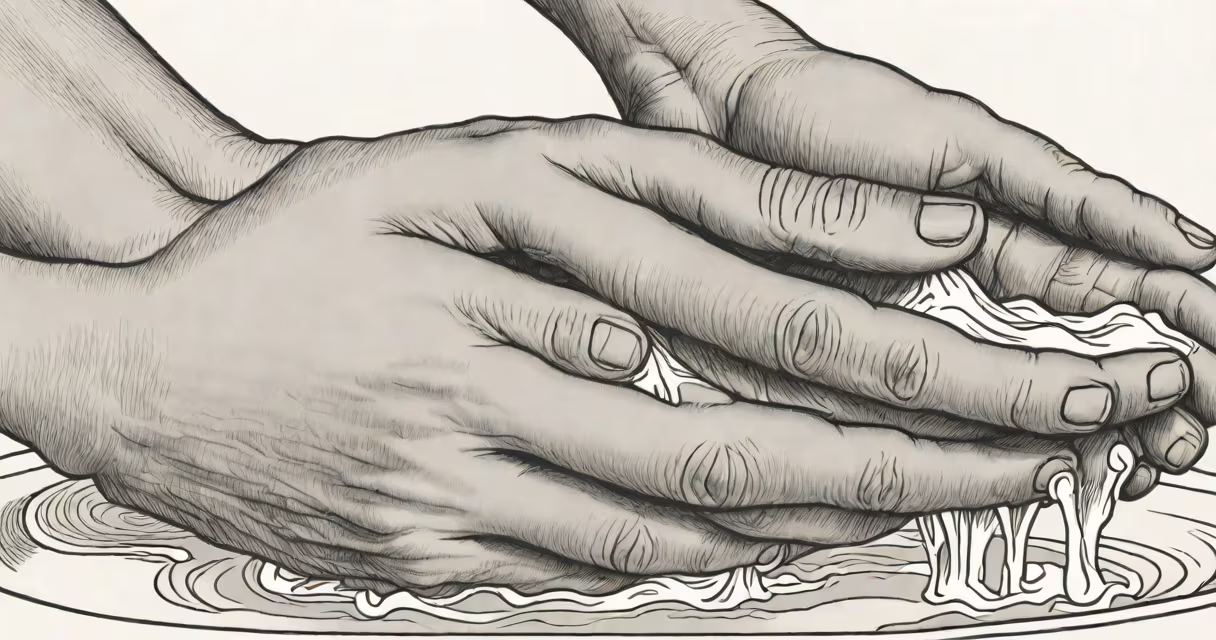
OCD symptoms in adults involve recurring intrusive thoughts (obsessions) and repetitive behaviors or mental acts (compulsions) performed to reduce distress. These patterns interfere with daily functioning and are not simply habits or preferences.
Obsessions are unwanted, persistent thoughts, images, or urges that cause marked anxiety or distress. Common themes include fear of contamination, harm to oneself or others, excessive concern with order or symmetry, and taboo thoughts involving sex, religion, or violence. Compulsions are behaviors or mental rituals-such as handwashing, checking locks, counting, or repeating phrases-that individuals feel driven to perform in response to obsessions. These actions provide temporary relief but reinforce the cycle.
For a diagnosis of OCD in adults, symptoms must be time-consuming (taking more than one hour per day), cause significant distress, or impair social, occupational, or other areas of functioning. The condition affects approximately 1.2% of U.S. adults annually, according to the National Institute of Mental Health (NIMH).
Adults with OCD often recognize their thoughts and behaviors as irrational yet feel unable to stop them. This insight varies-some adults have good awareness, while others may lack insight entirely, especially during severe episodes.
Common obsessions include fear of germs leading to excessive cleaning, repeated checking of appliances or doors, and needing things arranged perfectly. Mental compulsions such as silently repeating prayers, mentally reviewing events for errors, or counting steps are equally disruptive. A person might spend hours washing hands despite clean skin, or check the stove five times before leaving the house.
One documented case involved a 34-year-old teacher who spent over two hours daily arranging books alphabetically by author and title. She avoided her classroom until the arrangement was "correct." Her symptoms began after a minor injury at work and worsened over six months. She sought treatment only after missing school due to ritual delays.
While all OCD involves obsessions and compulsions, symptom profiles differ. The following table outlines major categories based on clinical research from the American Psychiatric Association (APA).
| Category | Common Obsessions | Typical Compulsions |
|---|---|---|
| Contamination | Fear of germs, illness, or dirt | Excessive handwashing, avoiding touching surfaces, ritualized cleaning |
| Harm | Worry about accidentally hurting loved ones | Repeated checking locks, stoves, or safety devices |
| Order and Symmetry | Distress when things aren't aligned or balanced | Reorganizing objects, arranging items in specific sequences |
| Forbidden Thoughts | Unwanted sexual, religious, or violent imagery | Mental rituals like praying or repeating phrases to neutralize thoughts |
Many adults with OCD do not report visible behaviors. Mental rituals-like counting, rereading, or silently repeating affirmations-are often overlooked because they're internal. These can be just as time-consuming and draining as physical actions.
OCD is frequently misunderstood as mere neatness, perfectionism, or being "a little OCD" about organization. This casual usage trivializes a serious mental health condition. True OCD involves distress, time burden, and functional impairment-not preference.
Another common confusion is equating OCD with hoarding disorder. While both involve repetitive behaviors, hoarding centers on difficulty discarding possessions and emotional attachment to items. Hoarders typically don't engage in rituals to neutralize anxiety about contamination or harm. The Diagnostic and Statistical Manual of Mental Disorders, Fifth Edition (DSM-5), distinguishes these.
A key distinction: people with OCD perform compulsions to reduce anxiety caused by obsessions. People with generalized anxiety disorder (GAD) worry excessively but don't carry out ritualized behaviors. For example, someone with GAD might worry about job security daily, but they won't check their email 50 times to prevent failure.
Adults should consider professional evaluation if obsessions or compulsions take more than one hour per day, cause significant distress, or disrupt relationships, work, or self-care. Early intervention improves outcomes.
Effective treatments include cognitive behavioral therapy (CBT) with exposure and response prevention (ERP), which teaches patients to tolerate anxiety without performing compulsions. Medication, particularly selective serotonin reuptake inhibitors (SSRIs), is also recommended for moderate to severe cases. Studies show ERP reduces symptoms in 60-70% of adults after 12-16 weekly sessions.
I once observed a patient in a clinical setting who avoided public restrooms for years due to contamination fears. After eight weeks of ERP, he entered a restroom, touched a door handle, and resisted washing his hands. He reported initial panic but noted that anxiety decreased within minutes. By week ten, he used public facilities regularly.
Untreated OCD can lead to depression, substance use, or social isolation. The NIMH reports that adults with untreated OCD are twice as likely to attempt suicide compared to the general population.