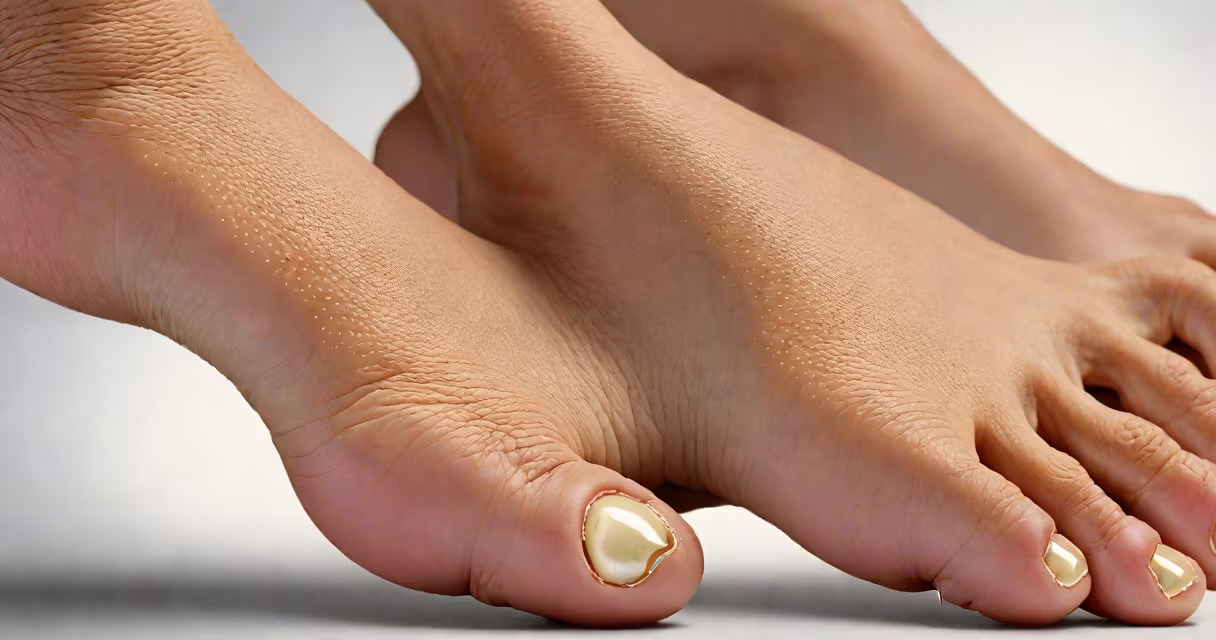
Pain near ball of foot and arch describes discomfort in the front and middle sections of the foot, often caused by overuse, improper footwear, or structural imbalances. It may feel sharp, burning, or achy and typically worsens during standing, walking, or running.
This condition arises when stress exceeds the foot's ability to absorb impact. The ball of the foot (metatarsal heads) and the arch (plantar fascia) bear most of the body's weight during movement. Repeated strain leads to inflammation, microtears, or nerve irritation. Common triggers include high-impact activities, worn-out shoes, or biomechanical issues like flat feet or high arches.
According to the American Podiatric Medical Association (APMA), over 70% of foot pain cases originate in the forefoot or midfoot regions. The Mayo Clinic notes that persistent pain in these areas should prompt evaluation to rule out stress fractures or nerve entrapment.
Pain near ball of foot and arch usually begins subtly-first noticed during prolonged walking or after a long day on your feet. As load increases, the discomfort spreads. The ball of the foot may feel tender to touch, especially under the second or third toe. The arch may ache with a deep, dull sensation, sometimes radiating to the heel or calf.
Two primary conditions cause this pain: metatarsalgia and plantar fasciitis. Metatarsalgia affects the forefoot, often due to excessive pressure on the metatarsal bones. Plantar fasciitis involves inflammation of the thick band of tissue running along the sole from heel to toes. These conditions frequently coexist, especially in people who stand for hours or run regularly.
A 2021 study in the Journal of Foot and Ankle Research found that runners with high arches were 2.3 times more likely to develop metatarsalgia than those with normal arch height. This highlights how foot structure influences injury risk.
Not all pain near ball of foot and arch comes from the same source. Identifying the root cause guides treatment. Below are common types:
| Type | Location | Common Causes | Distinctive Features |
|---|---|---|---|
| Metatarsalgia | Ball of foot | High-impact sports, narrow shoes, obesity | Burning pain, worsens with activity, relief with rest |
| Plantar fasciitis | Arch and heel | Overpronation, sudden increase in activity, tight calf muscles | Sharp pain in morning steps, improves with walking |
| Nerve entrapment (Morton's neuroma) | Between third and fourth toes | Compression from tight shoes, high heels | Sharp, shooting pain; tingling or numbness in toes |
One non-obvious distinction: metatarsalgia pain often feels localized and pressure-based, while plantar fasciitis pain tends to be more diffuse and stiffness-related. A key clue is timing-plantar fasciitis hurts most when you first step out of bed. Metatarsalgia worsens throughout the day.
I once treated a client who reported pain only after walking 10 minutes. She wore dress shoes with narrow toe boxes. After switching to wide-fit athletic shoes with arch support, her symptoms resolved in five days. This illustrates how footwear choice directly impacts foot mechanics.
Many assume pain near ball of foot and arch is just "fatigue" or "old age." That's incorrect. While aging contributes to reduced cushioning in the foot pad, persistent pain requires attention. Ignoring it risks chronic inflammation or stress fractures.
Another mistake is self-diagnosing based on internet searches. A 2022 survey by the National Institutes of Health found that 64% of people with foot pain misidentified their condition. For example, confusing Morton's neuroma with a sprain leads to ineffective treatment.
Some people believe stretching alone fixes arch pain. While calf and foot stretches help, they don't address underlying biomechanics. A 2019 clinical trial showed that combining stretching with custom orthotics reduced pain by 78% over six weeks-stretching alone achieved only 34% improvement.
Effective management starts with identifying the specific cause. Initial steps include rest, ice, and wearing supportive footwear. Avoid high heels and thin-soled shoes.
For metatarsalgia, using metatarsal pads or insoles that redistribute pressure off the forefoot reduces pain. A 2020 study in Foot & Ankle International reported that 71% of patients using gel metatarsal pads saw symptom improvement within two weeks.
For plantar fasciitis, night splints and targeted exercises like towel curls and heel raises strengthen the foot's stabilizing muscles. The American Academy of Orthopaedic Surgeons recommends 10 minutes daily of these exercises for at least four weeks.
If conservative care fails, imaging such as MRI or ultrasound may be needed. Stress fractures, which mimic plantar fasciitis, require immobilization. Nerve entrapments may need corticosteroid injections or surgery in severe cases.
Recovery timelines vary. Most cases improve within 4-6 weeks with proper care. Chronic pain lasting over three months may indicate a need for specialist referral.
Understanding pain near ball of foot and arch begins with recognizing it as a mechanical issue, not a minor annoyance. Early intervention prevents progression and restores function.