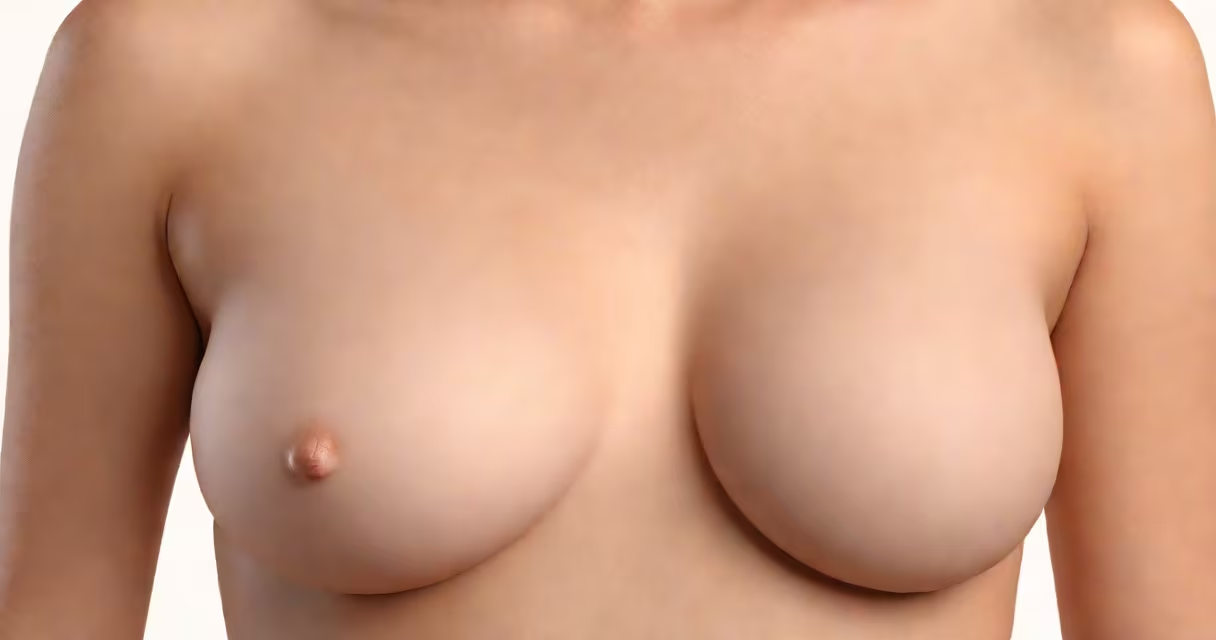
An inverted nipple is a nipple that retracts into the breast rather than protruding outward. This condition may be present from birth or develop later in life. It occurs when the milk ducts are short or tight, pulling the nipple inward.
Inverted nipple is not always a sign of disease. Many people have it naturally and experience no symptoms. However, sudden onset in adulthood-especially if only one side is affected-can signal an underlying issue such as mastitis, trauma, or, rarely, breast cancer.
The American Academy of Family Physicians notes that nipple inversion affects about 10% of women and is more common in those with a family history of the trait. It is not exclusive to women; men can also have inverted nipples, though it is less frequently discussed.
Nipples protrude due to tension in the connective tissue and the length of the milk ducts beneath the areola. When these structures are shorter or tighter than normal, they pull the nipple inward. The degree of inversion varies: mild cases may protrude when stimulated, while severe cases remain permanently retracted.
There are three grades of nipple inversion:
| Grade | Description | Common Features |
|---|---|---|
| I | Nipple retracts but can be pulled out manually. | Often seen during pregnancy or breastfeeding. |
| II | Nipple stays inverted unless manually drawn out. | May interfere with breastfeeding. |
| III | Nipple cannot be everted manually. | Associated with higher risk of duct obstruction. |
Grade I and II inversions are often congenital-present at birth-and do not require treatment unless they cause discomfort or affect lactation. Grade III is more likely to be associated with pathology, especially if it develops suddenly.
Inverted nipple falls into two categories: congenital and acquired. Congenital inversion is present from birth and typically affects both breasts symmetrically. It results from underdeveloped or shortened ducts and is usually benign.
Acquired inversion develops later in life and may be linked to inflammation, scarring, or tumors. Causes include:
A 2021 study published in Plastic and Reconstructive Surgery found that 6% of patients presenting with unilateral nipple inversion had an underlying malignancy, emphasizing the need for clinical evaluation when changes occur after age 30.
One non-obvious distinction: nipple inversion is not the same as flat nipples. Flat nipples lie flush with the breast surface but do not retract. Inversion involves actual retraction into the breast tissue.
Most cases of inverted nipple are harmless. But red flags include:
If any of these signs appear, a healthcare provider should evaluate the breast. Diagnostic tools may include ultrasound, mammography, or biopsy depending on findings.
During my time volunteering at a free women's health clinic, I observed a 42-year-old patient who reported her left nipple had inverted over six months. She had no pain or discharge. Imaging revealed a small intraductal papilloma-a benign tumor-but we referred her for surgical excision to prevent progression. Her case highlights that even asymptomatic inversion warrants attention.
Many assume inverted nipple always indicates cancer. That's incorrect. The National Breast Cancer Foundation states that nipple inversion is more often a developmental variation than a warning sign. However, it's still essential to monitor changes.
Another misconception is that inverted nipples prevent breastfeeding. While severe cases can make latching difficult, many women with grade I or II inversion successfully breastfeed with support from a lactation consultant. Techniques like using a nipple shield or manual expression can help.
Some people confuse inverted nipple with nipple retraction caused by skin conditions like eczema or psoriasis. These are different-skin disorders affect the surface, while inversion involves deeper tissue structure.
For congenital cases with no symptoms, no treatment is needed. For those seeking correction, options include:
Surgery is generally reserved for cases affecting quality of life or breastfeeding. A 2019 review in Journal of Plastic, Reconstructive & Aesthetic Surgery reported a 94% success rate in correcting inversion with minimal complications.
Attempting to force the nipple out manually can cause tissue damage. Avoid aggressive pulling or stretching.
What does inverted nipple mean? It means the nipple lies inside the breast instead of projecting outward. Most cases are harmless and present from birth. Sudden changes, especially in adults, require medical assessment to rule out serious causes.
Understanding your body's baseline is key. If you've always had inverted nipples and nothing has changed, no action is needed. But if you notice new asymmetry, discharge, or skin changes, see a clinician promptly.