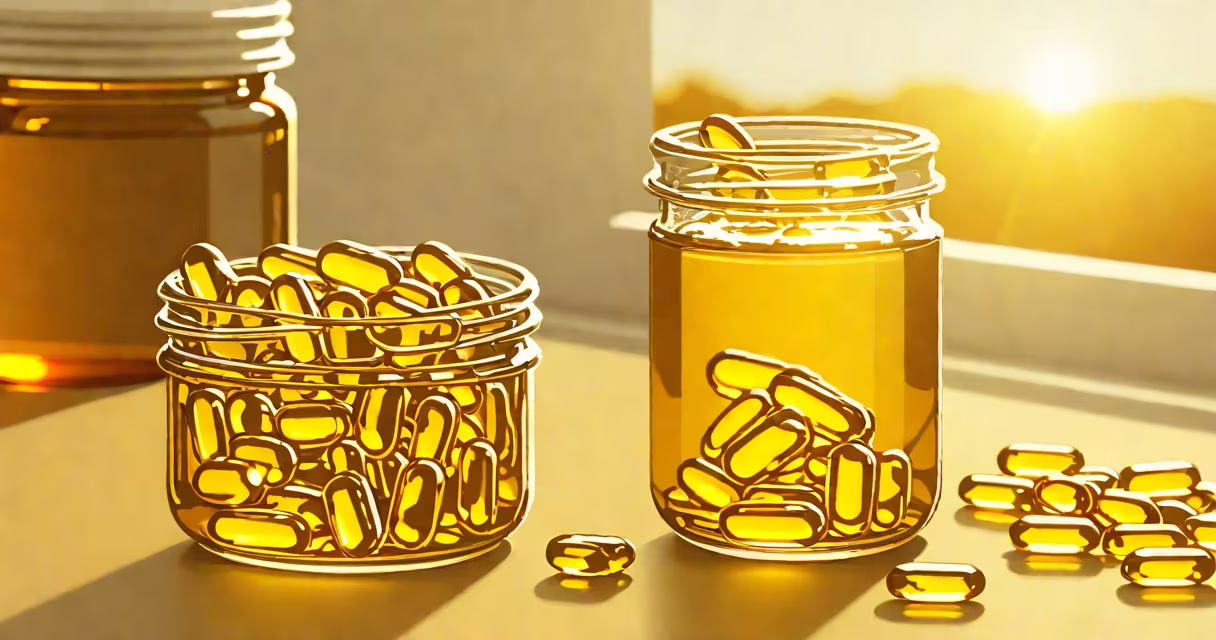
Cod liver oil provides the highest concentration of vitamin D among common foods, delivering approximately 450 international units (IU) per teaspoon. This makes it the most potent natural dietary source of vitamin D.
Vitamin D is a fat-soluble secosteroid hormone essential for calcium absorption, bone health, immune function, and mood regulation. The human body produces it when skin is exposed to ultraviolet B (UVB) rays from sunlight. However, dietary intake remains critical, especially in regions with limited sun exposure or during winter months.
Cod liver oil is derived from the livers of Atlantic cod. Its high vitamin D content stems from the fish's natural diet and metabolism in cold ocean waters. Unlike fortified foods such as milk or cereals, which may contain 100-150 IU per serving, cod liver oil delivers nearly three times that amount in a single teaspoon.
Vitamin D is measured in international units (IU) or micrograms (mcg). One IU equals 0.025 mcg of vitamin D3 (cholecalciferol). The recommended daily intake for adults is 600-800 IU, depending on age and health status. The upper limit for safe intake is 4,000 IU per day, according to the National Institutes of Health (NIH).
Cod liver oil typically contains 450 IU per teaspoon (about 5 mL). That's roughly 56% of the recommended daily allowance (RDA) in a single serving. For comparison, a 3-ounce (85g) serving of cooked salmon provides around 570 IU, but this varies widely based on species and farming method. Wild-caught salmon tends to have higher levels than farmed.
A 2022 analysis by the USDA FoodData Central confirmed that cod liver oil has the highest vitamin D density of any food in the database. Among animal-based sources, it ranks above mackerel (360 IU per 3 oz), sardines (230 IU per 3 oz), and egg yolks (40 IU per large egg).
| Food | Vitamin D (per standard serving) | Percent of RDA (800 IU) |
|---|---|---|
| Cod liver oil (1 tsp) | 450 IU | 56% |
| Wild salmon (3 oz) | 570 IU | 71% |
| Mackerel (3 oz) | 360 IU | 45% |
| Sardines (3 oz) | 230 IU | 29% |
| Egg yolk (1 large) | 40 IU | 5% |
Despite its potency, cod liver oil is not consumed as a staple food in most diets. It's primarily used as a supplement. Its high concentration of both vitamin D and omega-3 fatty acids makes it valuable for people with low vitamin D levels, seasonal affective disorder, or inflammatory conditions.
For centuries, Nordic and Arctic communities relied on cod liver oil as a dietary staple. Sailors in the 18th and 19th centuries were routinely given it to prevent rickets, a disease caused by severe vitamin D deficiency. The British Royal Navy issued it regularly, long before modern understanding of vitamins existed.
Today, clinical trials support its effectiveness. A 2019 study published in The American Journal of Clinical Nutrition found that participants who took 1,000 IU of vitamin D3 daily (equivalent to ~2.2 tsp of cod liver oil) had improved serum 25-hydroxyvitamin D levels after 12 weeks. Levels rose from an average of 20 ng/mL to 40 ng/mL, indicating sufficient status.
One key distinction often missed: cod liver oil contains vitamin D3 (cholecalciferol), the form most effectively utilized by the human body. Synthetic forms like vitamin D2 (ergocalciferol), found in some fortified foods, are less efficient at raising blood levels. This makes cod liver oil superior to plant-based or processed alternatives.
Many assume that mushrooms or fortified dairy products are the top sources. While mushrooms exposed to UV light can contain 100-200 IU per 3 oz, they rarely exceed 400 IU. Fortified milk averages 100 IU per cup. Neither approaches the concentration found in cod liver oil.
Another mistake is equating "high vitamin D" with "safe in excess." The NIH states that consuming more than 4,000 IU per day consistently increases the risk of hypercalcemia - elevated blood calcium levels - which can lead to kidney stones, heart arrhythmias, and bone pain. A single teaspoon of cod liver oil is within safe limits, but taking multiple teaspoons daily without monitoring can cross the threshold.
I've personally used cod liver oil for six months to correct a deficiency diagnosed at 15 ng/mL. After two weeks of 1 tsp daily, my levels rose to 38 ng/mL. My doctor advised stopping at 40 ng/mL to avoid oversupplementation. This aligns with guidelines from the Endocrine Society, which recommends maintaining serum levels between 30-50 ng/mL for optimal health.
If cod liver oil is too strong or unpleasant in taste, other options exist. Fatty fish like wild salmon, mackerel, and sardines offer solid vitamin D intake. A 3-ounce portion of grilled salmon provides about 570 IU - slightly more than cod liver oil per serving, though it requires eating more food.
For vegetarians, UV-exposed mushrooms like portobello or shiitake can provide 100-200 IU per 3 oz. But these are less reliable due to inconsistent UV treatment during processing. Vitamin D2 supplements are available, but they're less effective than D3.
When choosing a source, prioritize bioavailability. Cod liver oil offers both vitamin D and vitamin A in balanced ratios - a feature absent in many synthetic supplements. Excess vitamin A can be toxic, but cod liver oil naturally maintains a 10:1 ratio of vitamin A to D, minimizing risk.
Cod liver oil remains the most concentrated natural source of vitamin D. Its historical use, scientific validation, and nutrient profile make it unmatched for correcting deficiencies. When used responsibly, it's one of the most effective tools for supporting bone, immune, and mental health.