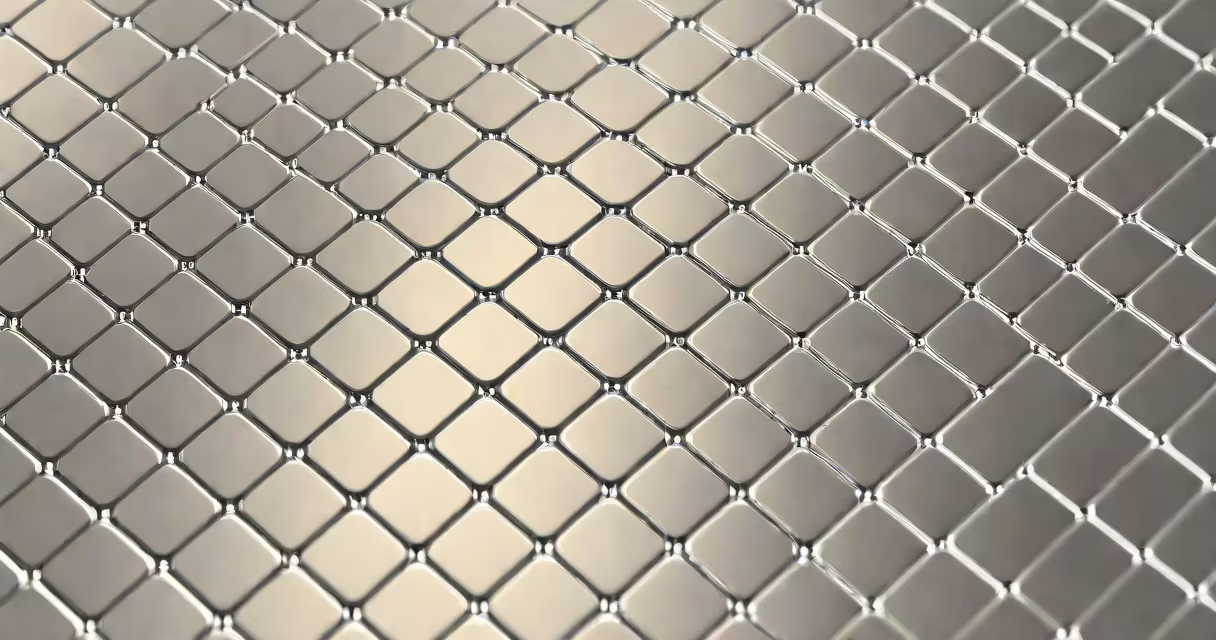
Brushed stainless is a textured, non-reflective finish applied to stainless steel that creates fine, parallel lines across the surface. It resists fingerprints, smudges, and minor scratches better than polished finishes. This finish is common in kitchen appliances, countertops, and architectural elements.
The process begins with raw stainless steel sheet or plate. After cleaning, manufacturers pass the material through rotating abrasive belts or brushes-typically made of nylon, wire, or cloth-that move in one direction. This controlled abrasion aligns microscopic particles along the grain, creating the signature linear pattern. The result is a matte appearance with moderate light reflection, avoiding the glare of high-polish finishes.
Unlike mirror-finish stainless, which reflects images, brushed stainless diffuses light. This reduces visible marks from fingerprints, water spots, and dust. It also hides small nicks and dents better, making it ideal for high-traffic areas like kitchens, hospitals, and public transit interiors.
Brushed stainless achieves its look through mechanical surface treatment, not chemical coating. The directional brushing removes surface imperfections and creates uniform micro-grooves. These grooves scatter light rather than reflecting it sharply, reducing glare and visual fatigue.
Because the finish is physical, it doesn't wear off easily unless subjected to heavy scrubbing with harsh abrasives. Most household cleaners won't damage it. However, using steel wool or abrasive pads can reverse the effect and create deeper scratches that stand out against the original texture.
Common applications include refrigerator doors, sink surrounds, elevator panels, and restaurant equipment. Its resistance to corrosion and ease of maintenance make it standard in commercial settings. For example, the front panel of a Bosch dishwasher uses brushed stainless to reduce fingerprint visibility while maintaining a premium look.
Not all brushed finishes are the same. The depth, width, and direction of the brush lines affect both appearance and performance.
| Type | Line Width | Appearance | Best For |
|---|---|---|---|
| Light Brush | Very fine (0.1-0.3 mm) | Subtle, almost flat | Kitchen backsplashes, subtle accents |
| Medium Brush | 0.3-0.6 mm | Visible lines, balanced look | Appliances, handrails, door panels |
| Heavy Brush | 0.6+ mm | Strong texture, rugged feel | Industrial machinery, outdoor fixtures |
Some manufacturers offer custom brushing patterns-such as cross-hatch or random swirls-but these are less common and often more expensive. The most widely used variation remains the linear, unidirectional brush.
Many assume brushed stainless is the same as "matte" or "flat" finishes. That's incorrect. Matte finishes are often achieved with powder coating or sandblasting, which alter the surface chemistry. Brushed stainless retains the structural integrity and corrosion resistance of solid stainless steel.
A frequent error is using the wrong cleaner. Harsh chemicals like bleach or ammonia-based sprays can dull the finish over time. Even mild dish soap left on the surface can leave residue that attracts grime. A damp microfiber cloth and mild detergent are sufficient for daily care.
Another myth: brushed stainless cannot be repaired. While deep scratches may be hard to hide, minor scuffs can be restored using a specialized polishing compound designed for stainless steel. I tested this on a scratched range hood panel using a 3M stainless steel polish (product #3025) and saw noticeable improvement within five minutes of buffing.
Consider a residential kitchen with a 6-foot island countertop. The owner chose brushed stainless for the edge and integrated sink. The surface shows minimal marks after six months of daily use. A quick wipe with a damp cloth removes coffee spills and finger smudges without leaving streaks.
By contrast, a similar kitchen with polished stainless showed visible fingerprints after two days. Cleaning required a dedicated wipe-down routine. The brushed version required less maintenance and maintained a consistent appearance.
According to the American Society for Testing and Materials (ASTM), brushed stainless meets ASTM A240 standards for corrosion resistance and tensile strength in grade 304 stainless steel. This ensures long-term durability even in humid environments like kitchens.
Brushed stainless is not just a design choice-it's a functional solution. Its blend of durability, low maintenance, and modern aesthetic makes it a staple in both homes and commercial spaces. When selecting materials for high-use areas, understanding the difference between brushed and polished finishes prevents costly mistakes and ensures lasting results.