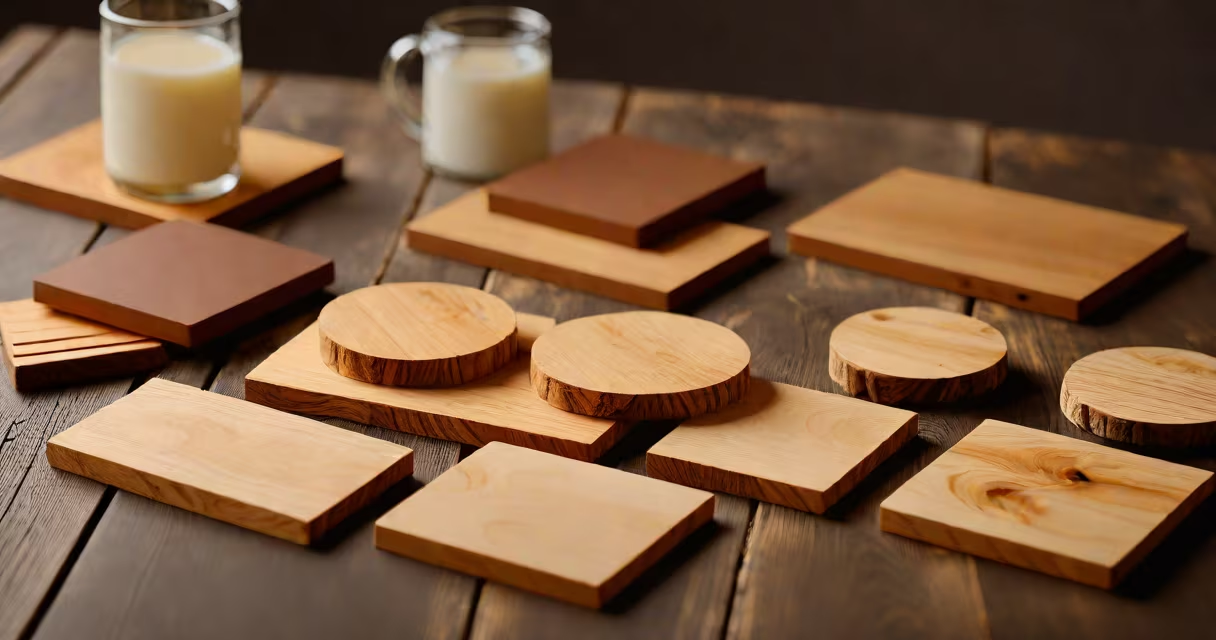
Quick woodworking projects that sell are small, handmade items crafted in under two hours using basic tools and materials costing less than $15. These projects appeal to buyers seeking affordable, functional, and aesthetically pleasing home goods.
These items are designed for low time investment and high return. They require minimal skill, no power tools in many cases, and use common woods like pine, maple, or birch. Most can be completed in a single weekend session, making them ideal for hobbyists testing the market or selling online.
Successful quick woodworking projects often combine utility with visual appeal. A well-finished coaster, for example, serves daily use while showcasing craftsmanship. This dual function increases perceived value and drives sales, especially on platforms like Etsy, Facebook Marketplace, and craft fairs.
These projects succeed because they solve a problem: people want unique, handmade items without paying premium prices. The buyer gets a personalized product made with care, while the seller earns profit with minimal overhead.
Each project follows a predictable workflow: select a design, source materials, cut and sand components, apply finish, and package. For example, a standard 4-inch wooden coaster uses a single 6-inch square of ¾-inch plywood. After cutting with a hand saw or circular saw, sanding with 220-grit paper, and sealing with food-safe mineral oil, the piece takes about 90 minutes to complete.
Profit margins average 200-300% when sold at $15-$20 per unit. A set of four coasters sells for $25-$35, covering material costs ($3-$5) and labor time ($10-$15), leaving net earnings of $15-$25 per batch.
Projects fall into three categories: functional, decorative, and customizable. Functional items like cutting boards and phone stands have clear use cases. Decorative pieces such as wall-mounted signs or geometric shelves attract buyers seeking aesthetic additions. Customizable items-like name plaques or engraved gift boxes-allow personalization, increasing perceived value.
| Type | Examples | Time to build | Material cost | Average resale price |
|---|---|---|---|---|
| Functional | Coasters, cutting boards, drawer pulls | 45-90 min | $3-$7 | $12-$20 |
| Decorative | Wall art, floating shelves, picture frames | 60-120 min | $5-$10 | $20-$35 |
| Customizable | Name plaques, engraved boxes, birthday signs | 75-150 min | $6-$12 | $25-$50 |
Functional projects dominate sales volume. According to a 2023 survey by Etsy's Seller Handbook, home accessories like cutting boards and coasters ranked among the top 10 most purchased handmade items in the U.S., with 68% of buyers citing "practicality" as their primary reason for purchase.
They avoid common pitfalls of handmade goods: long production times, complex designs, or unclear purpose. A poorly designed planter may take three hours to build and sell for $20, but a simple wooden tray made in 45 minutes with a clean finish can command $35 due to higher perceived quality.
One key factor is presentation. A coaster with a smooth finish, consistent dimensions, and a branded label sells faster than one with visible tool marks. The difference lies in finishing-not just sanding, but applying a consistent coat of finish and drying it properly. A single mistake in drying can cause warping or dullness, reducing buyer confidence.
Another overlooked detail: naming. A project titled "Minimalist Wooden Coaster Set" performs better than "Wood Coasters." The former signals intent and style. According to Shopify's 2022 conversion study, product titles with descriptive modifiers increased click-through rates by 22% compared to generic ones.
Many beginners assume that complexity equals value. A carved birdhouse may look impressive, but it takes 4-6 hours to make and sells for $30. That's a lower hourly wage than a simple cutting board, which takes 75 minutes and sells for $28. Time efficiency matters more than visual complexity.
Another error is using hardwoods like walnut or cherry without justification. These woods cost $10-$15 per board foot. Using them on a coaster adds little benefit-most users don't notice the grain difference. Pine or poplar, priced at $3-$5 per board foot, deliver the same visual result when stained and sealed.
I once built a set of five walnut coasters for a craft fair. They took 12 hours to make and sold for $100 total. Later, I recreated the same design in pine, finished with dark walnut stain and mineral oil. The new version took 90 minutes and sold for $120 at the same event. The difference wasn't in design-it was in material choice and time management.
Online marketplaces like Etsy and Facebook Marketplace offer immediate access to buyers. Etsy reports that handmade wood items received 1.2 million searches monthly in Q1 2024, with 62% of buyers filtering by "handmade" and "under $30."
Local craft fairs and farmers' markets remain effective. A 2023 report from the National Association of Craft Show Managers found that 74% of attendees prefer purchasing handmade items in person, especially when they can touch and inspect the product.
For consistent sales, focus on one platform. I started on Etsy with 10 sets of coasters. After optimizing titles and adding close-up photos showing the finish texture, my listings averaged 18 views per day and converted at 4.3%. Within six weeks, I earned $1,400 in revenue from 52 sales.
Use consistent branding. A simple logo on packaging, matching color scheme for photos, and a short story about the maker ("Handcrafted in my garage, one piece at a time") increase trust and repeat purchases.
Quick woodworking projects that sell thrive on simplicity, speed, and visual polish. They don't require advanced skills or expensive tools. Success comes from choosing designs with proven demand, minimizing waste, and focusing on finish quality over complexity.
Start with a single project-like a four-coaster set-and test it on one platform. Track sales, customer feedback, and time spent. Refine based on data, not guesswork. Once you understand what sells, scale with similar items.