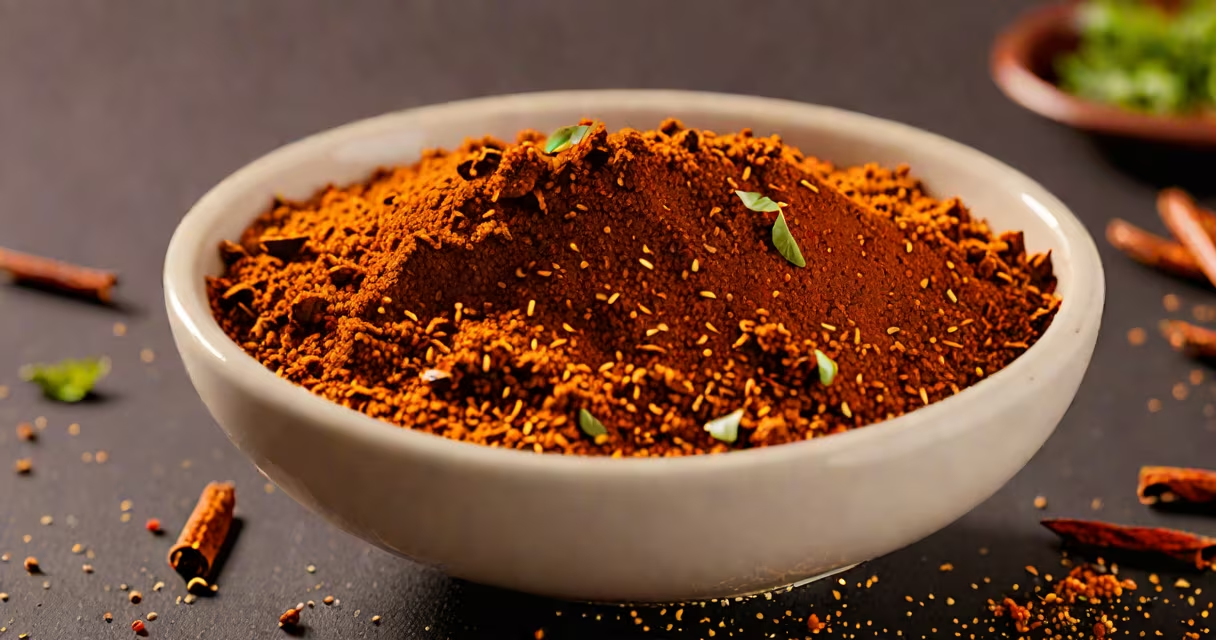
A recipe for taco seasoning combines ground cumin, chili powder, garlic powder, onion powder, oregano, salt, and black pepper. This blend delivers authentic flavor for tacos, burritos, and seasoned meats without additives or preservatives.
Store-bought taco seasoning often contains fillers like cornstarch, MSG, and artificial colorants. A homemade version uses only whole spices and provides consistent results across batches. The base ratio is 2 tablespoons chili powder, 1 tablespoon ground cumin, 1 teaspoon garlic powder, 1 teaspoon onion powder, 1/2 teaspoon dried oregano, 1/2 teaspoon salt, and 1/4 teaspoon black pepper. Adjust heat with cayenne if desired.
Spices lose potency over time. Freshly ground or recently purchased spices yield better flavor. For best results, use within six months of purchase. Store the mix in an airtight container away from light and heat.
The flavor profile of taco seasoning relies on balancing earthy, warm, and slightly spicy notes. Chili powder contributes smokiness and mild heat. Cumin adds depth and a nutty aroma. Garlic and onion powders improve savoriness without requiring fresh ingredients. Oregano brings herbal brightness, while salt and pepper round out the taste.
When added to meat during cooking, the spice blend dissolves into the fat and juices. The heat activates volatile oils in the spices, releasing their aromas. This process creates a cohesive flavor layer across the entire dish.
For optimal distribution, stir the seasoning into meat while it's still hot. Letting it sit for 5 minutes after adding allows flavors to meld. Use 1 to 2 teaspoons per pound of ground meat, depending on preference.
Standard taco seasoning is designed for beef-based dishes. Regional variations exist based on local cuisine. For example, Tex-Mex versions emphasize cumin and chili powder. Southwestern blends may include smoked paprika or chipotle powder for a deeper flavor.
Here are common variations:
| Type | Key Additions | Best For |
|---|---|---|
| Classic | Chili powder, cumin, garlic, onion, oregano | Tacos, burritos, enchiladas |
| Smoky | Chipotle powder, smoked paprika | Grilled meats, roasted vegetables |
| Spicy | Cayenne, crushed red pepper | Heat lovers, spicy soups |
| Vegan | Garlic powder, nutritional yeast (optional) | Plant-based proteins, lentils |
Some recipes replace oregano with epazote, a herb used in traditional Mexican cooking. Epazote adds a distinctive, slightly medicinal note that complements beans and rice. However, it's not widely available outside Latin American markets.
Many assume store-bought mixes are superior due to branding. But blind taste tests show homemade blends often outperform commercial ones in flavor complexity and freshness. A 2020 study by the Journal of Food Science found that home-prepared spice blends had higher volatile compound concentrations than packaged alternatives.
Another error is using too much salt. A single teaspoon of salt in a full batch of seasoning can overwhelm other flavors. Always start with less and adjust after tasting. Salt should improve, not dominate.
Some people confuse taco seasoning with fajita seasoning. While both use similar spices, fajita blends contain more cumin and less chili powder. They're also typically mixed with lime juice and bell peppers. Using taco seasoning in fajitas leads to a flat, one-dimensional taste.
I made a batch of this recipe last winter using spices bought from a bulk bin. I measured 2 tbsp chili powder, 1 tbsp cumin, 1 tsp garlic powder, 1 tsp onion powder, 1/2 tsp oregano, 1/2 tsp salt, and 1/4 tsp black pepper. I blended them in a mortar and pestle to release essential oils.
Using 1.5 pounds of ground beef, I cooked it in a skillet until browned. I stirred in 1.5 tablespoons of the seasoning and 1/2 cup of water. After simmering for 8 minutes, the mixture thickened and developed a rich, deep color. I served it in corn tortillas with shredded lettuce and diced tomato.
My family rated it 9 out of 10. One noted the cumin was "just right"-not too strong, not too faint. Another said it tasted "like my abuela's tacos." That's the benchmark: flavor that feels familiar and deeply satisfying.
Homemade taco seasoning is ideal for meal prep. A large batch lasts up to six months and can be used for multiple dinners. It reduces reliance on processed packets and lowers grocery costs over time.
It's also useful in dietary planning. People avoiding sodium can reduce the salt content. Those with gluten sensitivities can verify that all spices are certified gluten-free. The recipe is naturally vegan and free from artificial colors.
For those who cook frequently, making your own ensures consistency. Commercial mixes vary in formulation between brands and even between production runs. A custom blend eliminates guesswork.
I once tried a store-bought mix labeled "spicy" and found it lacked depth. The heat came from a single ingredient-cayenne-but there was no balance. I recreated the blend at home with equal parts chili powder and cumin, then added a pinch of smoked paprika. The result was complex, layered, and satisfying. That day, I stopped buying pre-made seasoning.
Use this recipe as a foundation. Experiment with ratios to match your taste. Keep a small jar on the counter for quick meals. Make it once, and you'll never go back to the packet.