Salmonella how is it spread occurs primarily through ingestion of food or water contaminated with fecal matter from infected animals or humans. The bacteria enter the digestive tract and cause gastrointestinal illness. This route of transmission is responsible for over 90% of human salmonella infections.
Salmonella bacteria live in the intestines of birds, reptiles, and mammals. They shed in feces, contaminating meat, eggs, produce, and water. Humans contract the pathogen when they consume these contaminated items without proper cooking or handling. The most common vehicles are undercooked poultry, raw eggs, unpasteurized milk, and unwashed fruits and vegetables.
Salmonella how is it spread also happens via person-to-person contact, especially in settings with poor hygiene. A single infected individual can transmit the bacteria through improper handwashing after using the bathroom. Outbreaks in daycare centers and nursing homes often trace back to this mode of transmission. The CDC reports that approximately 1 million cases of salmonella infection occur annually in the United States, with about 23,000 hospitalizations and 450 deaths.
Salmonella survives in dry environments for weeks and can withstand temperatures up to 50°C (122°F) for short periods. It thrives in moist, warm conditions, such as those found in improperly stored cooked foods. When food is left at room temperature for more than two hours, bacterial growth accelerates rapidly.
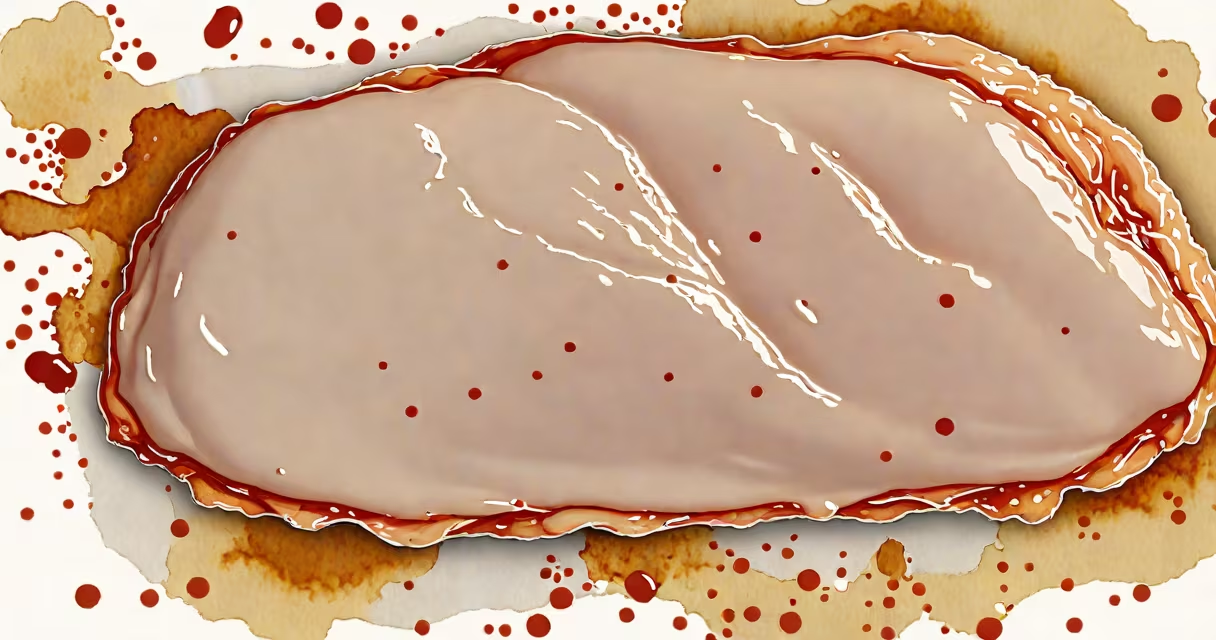
The bacteria do not alter the appearance, smell, or taste of food. A chicken breast may look perfectly cooked but still harbor live salmonella if internal temperature never reached 74°C (165°F). This invisibility makes detection impossible without laboratory testing.
Contamination spreads during food preparation when cutting boards, utensils, or hands are not cleaned between raw meat and ready-to-eat ingredients. Cross-contamination accounts for nearly 30% of reported salmonella cases, according to the FDA's Food Safety Modernization Act (FSMA) compliance audits.
Raw chicken is the leading source of salmonella outbreaks. In 2022, a multistate outbreak linked to frozen chicken nuggets affected 147 people across 28 states. The strain identified was Salmonella Enteritidis, resistant to multiple antibiotics. The investigation traced contamination to a processing facility where sanitation protocols were not consistently applied.
Raw eggs pose another major risk. In 2010, a nationwide recall of 550 million eggs occurred due to salmonella contamination. The USDA estimated that one in every 20,000 eggs carries salmonella. This rate increases in farms with poor biosecurity measures.
Fruits and vegetables can become contaminated through irrigation water tainted with animal waste. In 2018, romaine lettuce caused a multi-state outbreak involving 210 confirmed cases. The source was traced to a canal near a cattle feedlot, where runoff entered the irrigation system.
| Source | Typical Contamination Route | Prevention Step |
|---|---|---|
| Undercooked poultry | Internal temperature below 74°C (165°F) | Use a food thermometer; cook until juices run clear |
| Raw eggs | Contaminated shells or internal yolk | Use pasteurized eggs in recipes requiring raw egg |
| Unwashed produce | Water or soil exposure during growing | Rinse under running water; scrub firm produce |
| Hand contact | After using restroom, touching pets | Wash hands with soap and water for at least 20 seconds |
Many assume salmonella only comes from spoiled food. In reality, the bacteria can be present in fresh, unspoiled items. A 2021 study published in Emerging Infectious Diseases found that 12% of store-bought chicken breasts tested positive for salmonella even when refrigerated and within expiration dates.
Another misconception is that cooking always kills salmonella. While heat destroys the bacteria, improper cooking-such as searing the outside while leaving the inside cold-can leave pockets of live pathogens. The FDA requires that all poultry reach an internal temperature of 74°C (165°F) to ensure safety.
I once observed a home kitchen where a family prepared grilled chicken and salad on the same cutting board. The chef washed the board briefly under tap water but didn't sanitize it. Later, a child developed diarrhea and vomiting within 12 hours. Testing confirmed salmonella in the leftover salad. The error wasn't in the cooking-it was in the workflow.
Salmonella is often confused with E. coli or norovirus, which also cause acute gastroenteritis. But their transmission routes differ. E. coli O157:H7 spreads through undercooked ground beef or contaminated leafy greens, while norovirus spreads easily through vomit or fecal matter in shared spaces.
Unlike viral infections, salmonella cannot be transmitted through the air. It requires direct or indirect ingestion. You cannot catch it from breathing near someone who is sick. The incubation period is typically 6 to 72 hours, longer than many viruses.
Antibiotic resistance is a growing concern. Strains like Salmonella Typhimurium DT104 have developed resistance to ampicillin, chloramphenicol, and streptomycin. This complicates treatment in severe cases, particularly among elderly or immunocompromised individuals.