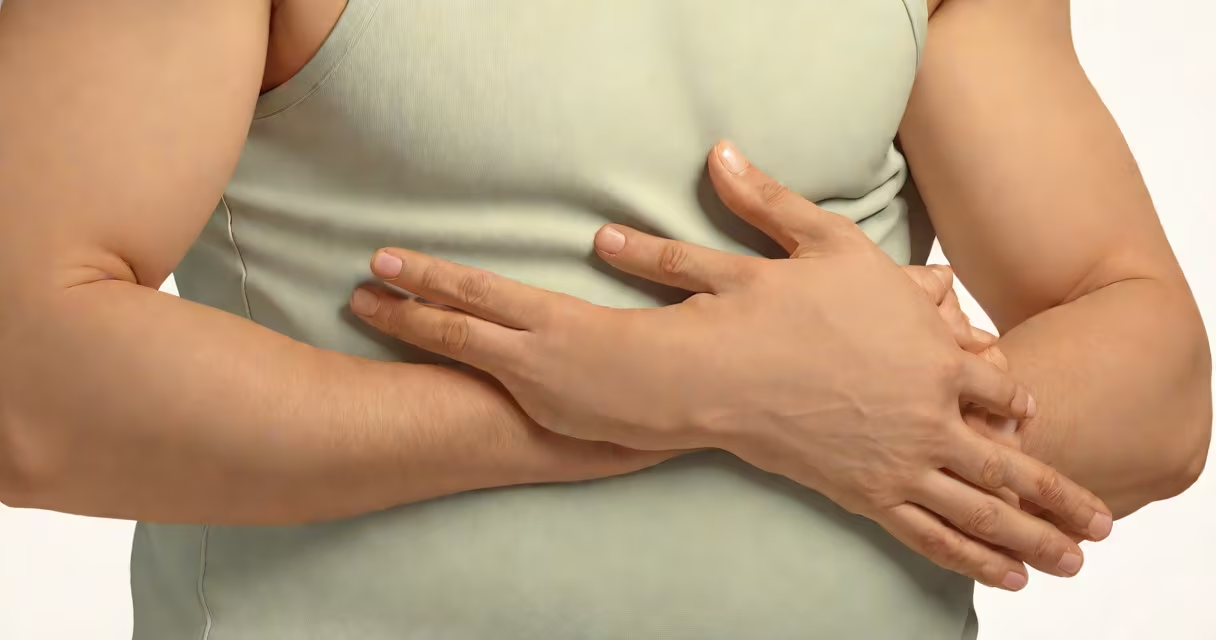
Sharp pain in the left side of the torso is a localized, often sudden discomfort felt between the ribs and the hip on the left side of the body. It may arise from muscles, organs, nerves, or bones and varies in intensity and duration depending on the underlying cause.
This pain can originate from the abdominal wall, internal organs such as the spleen or colon, the lower rib cage, or structures in the chest cavity. It may be brief and stabbing or persist for minutes to hours. The location and timing-such as worsening during breathing, movement, or eating-help narrow the diagnosis.
Common triggers include physical strain, gas buildup, inflammation, or injury. For example, a sudden twist while lifting weights can cause a muscle strain, while a sharp, breath-related pain may indicate pleurisy. Accurate assessment requires attention to associated symptoms and medical history.
Pain arises when sensory nerves in the affected area detect tissue stress, damage, or inflammation. These signals travel via spinal pathways to the brain, which interprets them as pain. The quality-sharp, burning, dull-depends on nerve type and location.
For instance, pain from the diaphragm or pleura (lung lining) often worsens with deep breaths. A sharp, localized stab during inhalation suggests pleuritic pain. Conversely, pain from the abdominal wall muscles may increase with twisting or stretching motions.
Neurological pathways differ based on origin. Pain from the kidneys (flank pain) typically radiates from the back toward the front and may be accompanied by nausea or blood in urine. In contrast, pain from the spleen or colon may feel crampy or pressure-like, especially after eating.
Several distinct conditions can produce sharp pain in the left side of the torso. The most frequent include musculoskeletal strain, gastrointestinal issues, respiratory problems, and urological events.
| Type | Common Causes | Key Features |
|---|---|---|
| Musculoskeletal | Strained intercostal muscles, rib injuries | Worsens with movement or twisting; localized tenderness |
| Gastrointestinal | Gas, constipation, diverticulitis | May follow meals; associated with bloating or bowel changes |
| Respiratory | Pleurisy, pneumonia, costochondritis | Deep breaths or coughing trigger pain; may feel sharp and stabbing |
| Urological | Kidney stones, urinary tract infection | Pain radiates from back to front; may involve nausea or hematuria |
Costochondritis-a condition involving inflammation of the cartilage connecting ribs to the sternum-is frequently misdiagnosed. It causes sharp, localized pain near the breastbone, often on the left side, and may mimic heart-related pain. According to the American College of Rheumatology, it accounts for up to 20% of non-cardiac chest pain cases in primary care settings.
Another underrecognized cause is splenic flexure syndrome, where gas accumulates in the left colon's bend. This leads to sharp, cramping pain that improves with passing gas or changing position. It's often mistaken for cardiac or gallbladder issues due to similar symptom patterns.
Not all sharp pain in the left side of the torso requires immediate care, but certain red flags demand prompt attention. These include pain that persists beyond 24 hours, worsens rapidly, or occurs with fever, vomiting, difficulty breathing, or blood in stool or urine.
For example, a 42-year-old patient reported sharp, progressive pain in the left upper abdomen after eating. The pain lasted over six hours and was accompanied by nausea and bloating. After ruling out cardiac causes, imaging revealed a distended sigmoid colon with signs of partial obstruction. Early intervention prevented complications.
Conditions like acute pancreatitis or ruptured ectopic pregnancy (in women of reproductive age) can present with left-sided pain and require emergency treatment. The National Institute of Diabetes and Digestive and Kidney Diseases notes that left flank pain with fever and chills may indicate pyelonephritis, a kidney infection needing antibiotics within 24 hours.
Even persistent mild pain should not be ignored. A 33-year-old woman experienced recurring sharp pain in her left lower abdomen for three weeks. Initial self-management failed. Evaluation revealed endometriosis affecting the left uterine ligament, confirmed via laparoscopy. Early diagnosis reduced chronic pelvic pain risk.
Sharp pain in left side of torso is often confused with heart-related pain, especially when located near the chest. However, cardiac pain typically radiates to the jaw, neck, or arm and is often described as pressure or tightness rather than sharpness.
Another common mix-up is between musculoskeletal pain and referred pain from internal organs. For instance, a kidney stone may cause sharp pain in the flank that radiates to the groin. But unlike muscle strain, this pain often comes in waves and may be associated with nausea or visible blood in urine.
A key distinction lies in symptom triggers. Muscle strain pain increases with movement or stretching. Gastrointestinal pain often follows meals. Respiratory pain intensifies with breathing. Knowing the pattern helps differentiate causes.
I once observed a patient who believed his left-side pain was from a pulled muscle. He had lifted heavy boxes at work. After two days of worsening pain and fever, he returned to the clinic. A CT scan showed a small abscess in the left colon, likely from a perforated diverticulum. The initial assumption delayed treatment. This illustrates why context matters.
Understanding the difference between visceral (organ-based) and somatic (muscle/bone) pain is critical. Visceral pain tends to be dull, diffuse, and poorly localized. Somatic pain is sharp, well-defined, and worsens with motion. A sharp, stabbing sensation localized to one spot is more likely somatic or pleuritic than visceral.
If sharp pain in the left side of the torso lasts longer than a few hours, recurs frequently, or interferes with daily activities, see a healthcare provider. Start with a primary care physician for initial evaluation. They may order blood tests, imaging, or refer to a gastroenterologist, pulmonologist, or urologist based on findings.
Most cases resolve with rest, hydration, or over-the-counter pain relief. But when pain is severe, recurrent, or accompanied by systemic signs like fever or weight loss, further investigation is essential. Early diagnosis prevents complications and improves outcomes.
Sharp pain in left side of torso is not a single condition but a symptom with multiple origins. Identifying the source requires careful observation of onset, location, duration, and associated symptoms. Prompt evaluation ensures accurate diagnosis and appropriate care.