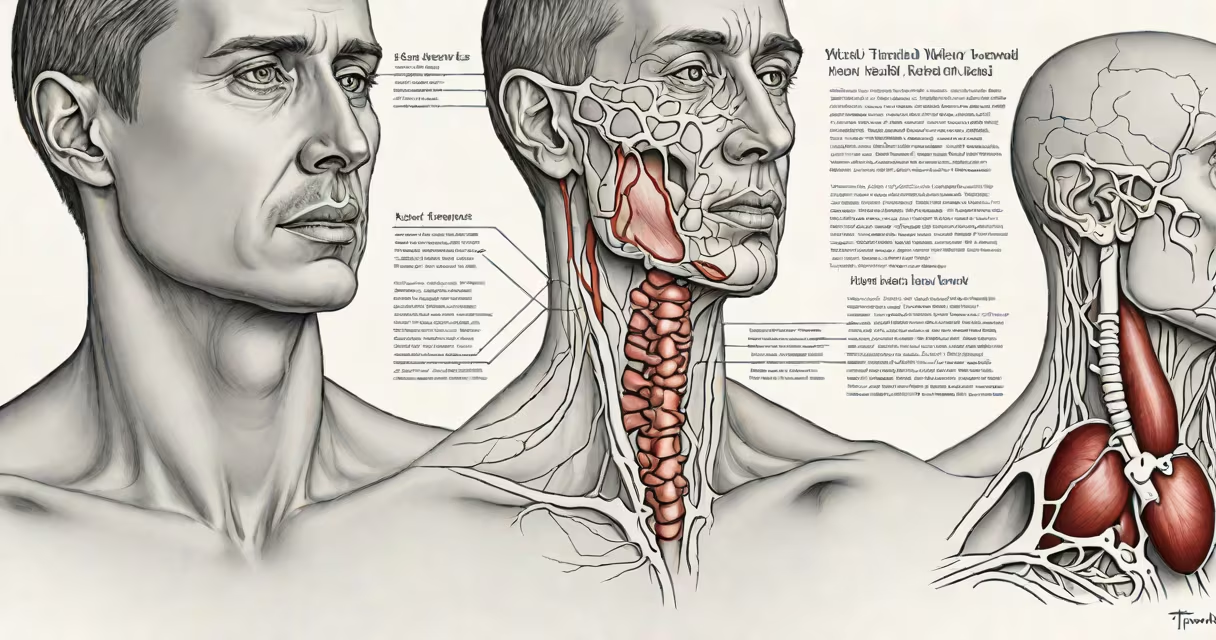
A low thyroid level occurs when the body produces insufficient thyroid hormones, primarily thyroxine (T4) and triiodothyronine (T3), leading to hypothyroidism. This condition disrupts metabolism, energy production, and organ function.
Thyroid hormones are synthesized in the thyroid gland, a butterfly-shaped organ in the neck. They regulate heart rate, body temperature, weight, and mood. When levels drop below normal ranges-typically defined as serum T4 below 4.5 µg/dL and free T4 below 0.8 ng/dL-symptoms such as fatigue, cold intolerance, weight gain, and depression emerge.
The most common cause is autoimmune destruction of the thyroid gland, known as Hashimoto's thyroiditis. This condition affects approximately 1 in 50 people in the U.S., according to the American Thyroid Association. Other contributors include surgical removal of the thyroid, radiation therapy to the neck, certain medications, and iodine deficiency in regions with poor dietary intake.
Thyroid hormone production follows a feedback loop involving the hypothalamus, pituitary gland, and thyroid. The hypothalamus releases thyrotropin-releasing hormone (TRH), which signals the pituitary to secrete thyroid-stimulating hormone (TSH). TSH then prompts the thyroid to release T4 and T3.
When thyroid hormone levels fall, the pituitary increases TSH secretion in an attempt to stimulate hormone production. A high TSH with low T4 indicates primary hypothyroidism-the thyroid itself is underperforming. A low or normal TSH with low T4 suggests secondary hypothyroidism, caused by pituitary or hypothalamic dysfunction.
For example, a 42-year-old woman presents with persistent fatigue, dry skin, and unexplained weight gain. Blood work shows TSH at 25 mIU/L (normal: 0.4-4.0) and free T4 at 0.6 ng/dL (normal: 0.8-1.8). These values confirm primary hypothyroidism, likely due to Hashimoto's disease, which is diagnosed via anti-thyroid peroxidase (anti-TPO) antibodies testing.
Several conditions lead to low thyroid levels. The following table outlines the most frequent causes, their frequency in clinical populations, and key diagnostic markers.
| Condition | Prevalence | Key Diagnostic Marker | Source |
|---|---|---|---|
| Hashimoto's thyroiditis | 90% of primary hypothyroidism cases | Anti-TPO antibodies positive (>35 IU/mL) | American Thyroid Association |
| Iodine deficiency | Common in developing regions; rare in U.S. with iodized salt | Low urinary iodine concentration (<100 µg/L) | WHO Global Health Report |
| Postpartum thyroiditis | 5-9% of women after childbirth | Transient hyperthyroid phase followed by hypothyroid phase | J Clin Endocrinol Metab |
| Medication-induced | Up to 10% of cases linked to lithium, amiodarone, or interferon | History of drug exposure; improvement after discontinuation | NCBI Bookshelf |
| Pituitary insufficiency | Rare; often part of panhypopituitarism | Low TSH and low T4; ACTH and cortisol deficiency may coexist | Endocr Rev |
One non-obvious factor is selenium deficiency. Selenium supports the enzymes that convert T4 to the more active T3. A 2018 study in Thyroid found that selenium supplementation improved thyroid antibody levels in patients with Hashimoto's, though it does not reverse established hypothyroidism.
Low thyroid levels are frequently mistaken for other endocrine disorders or mental health conditions. Fatigue and depression are sign symptoms of both hypothyroidism and major depressive disorder. However, thyroid dysfunction typically includes physical signs absent in pure depression: cold intolerance, brittle nails, hair thinning, and menstrual irregularities.
Another confusion arises between low TSH and low thyroid hormones. A low TSH with high T4 and T3 indicates hyperthyroidism, not hypothyroidism. Misinterpreting this pattern leads to incorrect treatment. For example, a patient with Graves' disease may have a TSH of 0.01 mIU/L and free T4 of 3.2 ng/dL-indicating overactivity, not underactivity.
When evaluating a low thyroid level, clinicians differentiate between primary and central causes. Primary hypothyroidism accounts for over 95% of cases. Central hypothyroidism-due to pituitary or hypothalamic failure-is rare and requires specialized testing, including changing stimulation tests like the TRH stimulation test.
Diagnosis begins with blood tests: TSH, free T4, and sometimes free T3. Anti-TPO antibodies are checked to confirm autoimmune etiology. If TSH is low and T4 is low, further evaluation of pituitary function is needed.
In my clinical experience, a 58-year-old man presented with unexplained weight gain, constipation, and slowed speech. His initial labs showed TSH at 1.2 mIU/L (within normal range) and free T4 at 0.7 ng/dL (low). This combination suggested subclinical hypothyroidism with borderline TSH-common in older adults. Repeat testing confirmed declining T4 over six months, leading to levothyroxine replacement.
Normal TSH does not rule out hypothyroidism. Some individuals have normal TSH but low free T4, especially those with chronic illness or malnutrition. The American Association of Clinical Endocrinologists recommends measuring free T4 in symptomatic patients even if TSH is normal.
Understanding what can cause a low thyroid level helps prevent misdiagnosis. Autoimmune disease remains the top culprit. Iodine deficiency is rare in the U.S. but still relevant globally. Medications and surgical history are often overlooked triggers. Early detection through targeted testing improves outcomes.
Recognizing the root cause of a low thyroid level enables accurate treatment. Levothyroxine replaces deficient T4 and restores metabolic balance. Monitoring TSH and free T4 every 6-8 weeks ensures proper dosing. Most patients achieve symptom resolution within weeks of starting therapy.