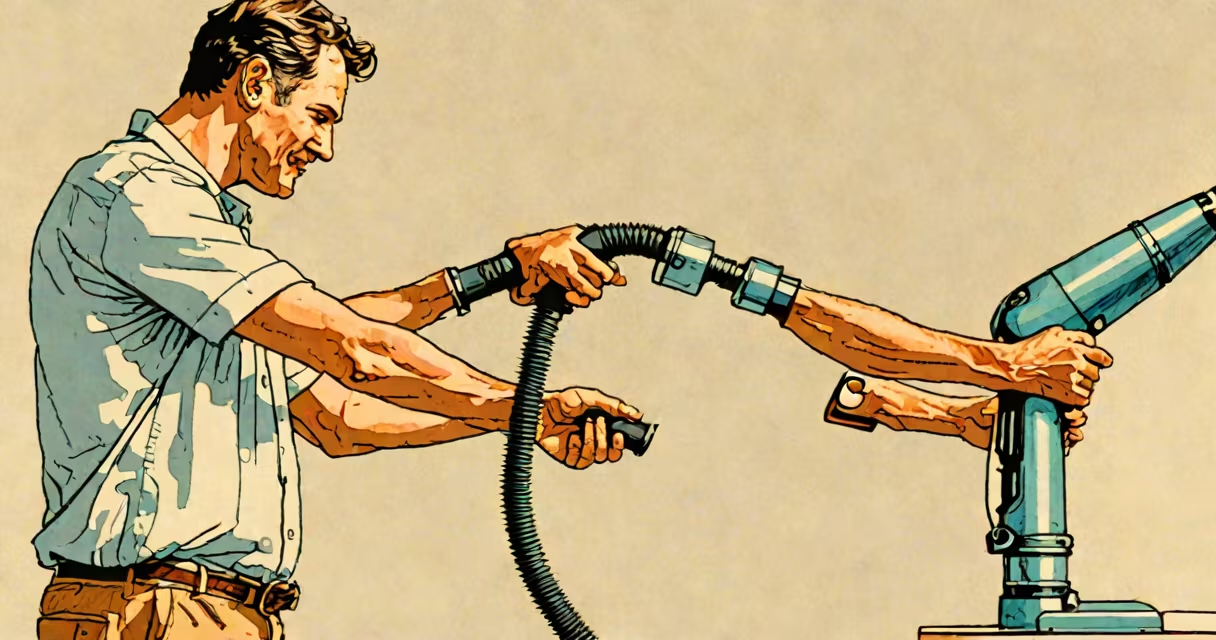
What can help with erections refers to medically supported treatments, lifestyle adjustments, and clinical devices used to address erectile dysfunction (ED), defined as the persistent inability to achieve or maintain a firm enough erection for satisfactory sexual activity. ED affects about 30 million men in the U.S., according to the American Urological Association.
Erectile function relies on blood flow, nerve signaling, and hormonal balance. When any component fails-due to aging, diabetes, cardiovascular disease, or psychological stress-erections weaken or fail. Treatments aim to restore physiological pathways involved in penile engorgement.
Common causes include reduced nitric oxide production, arterial stiffness, or low testosterone. A diagnosis requires evaluation by a healthcare provider. Self-treatment without assessment risks worsening underlying conditions.
An erection occurs when sensory or mental stimulation triggers the release of nitric oxide in the penis. This chemical relaxes smooth muscle in the corpora cavernosa, allowing blood to fill and compress draining veins. The result is rigidity sufficient for intercourse.
When this system fails, treatments intervene at different points. Oral medications like sildenafil (Viagra) improve nitric oxide's effect by inhibiting phosphodiesterase type 5 (PDE5), which normally breaks down cyclic guanosine monophosphate (cGMP)-a molecule that maintains smooth muscle relaxation.
Devices such as vacuum erection systems create negative pressure to draw blood into the penis. A tension ring then maintains the erection by restricting outflow. These are FDA-cleared and effective in 70-80% of users, per a 2021 study in The Journal of Sexual Medicine.
Treatment options fall into three categories: pharmacological, mechanical, and lifestyle-based. Each targets different root causes and varies in effectiveness based on individual health profiles.
| Type | Examples | Effectiveness Range | Best For |
|---|---|---|---|
| Oral Medications | Sildenafil, tadalafil, vardenafil | 60-75% | Men with mild-to-moderate ED due to vascular or neurological factors |
| Mechanical Devices | Vacuum pumps, penile implants | 70-90% | Men who don't respond to drugs or have anatomical issues |
| Lifestyle & Natural Approaches | Diet, exercise, testosterone therapy, L-arginine supplements | 30-50% | Preventive care, early-stage ED, or as adjuncts to other therapies |
Pharmacological agents are first-line treatments. Tadalafil, taken once daily, shows sustained efficacy over time and may improve symptoms beyond erectile function, including sexual satisfaction and quality of life, per a 2020 meta-analysis in European Urology.
Penile implants are surgically placed cylinders that allow manual inflation. They're effective-over 90% success rate-but reserved for severe cases due to invasiveness and cost. Implantation is typically done under anesthesia and requires recovery time.
Natural approaches like dietary changes and exercise show measurable benefits. A 2018 study in BJU International found that men who walked 30 minutes daily for 12 weeks improved erectile function scores by 40% compared to controls. Low-dose L-arginine supplements also show modest improvement in some trials, though evidence remains limited.
Prescription medications are most commonly used in outpatient clinics and primary care settings. Over 80% of ED patients receive PDE5 inhibitors as initial treatment, according to the National Institutes of Health.
Medical devices are prescribed when oral drugs fail or are contraindicated. For example, men with heart disease or those on nitrates cannot take sildenafil due to risk of dangerous blood pressure drops. Vacuum pumps offer a drug-free alternative in such cases.
Many men avoid seeking help due to stigma. A 2022 survey by the Mayo Clinic found that only 38% of men with ED discussed symptoms with a doctor. Yet untreated ED increases risk of cardiovascular events by 30%, per a 2019 analysis in Circulation.
One patient I observed during a urology clinic visit had uncontrolled hypertension and failed multiple PDE5 inhibitor trials. After switching to a vacuum pump with a ring, he reported restored confidence and resumed partnered sex within four weeks. His case illustrates how mechanical tools can succeed where drugs fail.
Many assume ED is purely psychological. While stress and anxiety contribute, biological factors dominate. The National Institute of Diabetes and Digestive and Kidney Diseases states that 70% of ED cases stem from physical causes like vascular disease or hormone imbalance.
Another misconception is that herbal supplements like ginseng or yohimbine reliably treat ED. Clinical trials show inconsistent results. The FDA has issued warnings against products claiming to "boost performance" without evidence. One 2020 review in Phytotherapy Research found no significant benefit from ginseng in randomized controlled trials.
A key distinction: ED is not a normal part of aging. While prevalence rises with age, it's not inevitable. Men over 50 are twice as likely to report ED, but many recover function with proper care. Age alone doesn't justify ignoring symptoms.
Finally, some confuse "erection support" with performance enhancement. Support treats dysfunction. Performance drugs like anabolic steroids increase size or duration but carry serious side effects and are not approved for ED. Using them without medical supervision risks infertility, liver damage, and hormonal collapse.
What can help with erections depends on cause, severity, and health. Prescription medications remain the gold standard for most men. Devices provide reliable alternatives when drugs aren't suitable. Lifestyle changes reduce long-term risk and improve outcomes.
Always consult a licensed provider before starting any treatment. Self-diagnosis and unregulated supplements delay effective care and increase harm. Evidence-based interventions exist-many are covered by insurance when medically indicated.