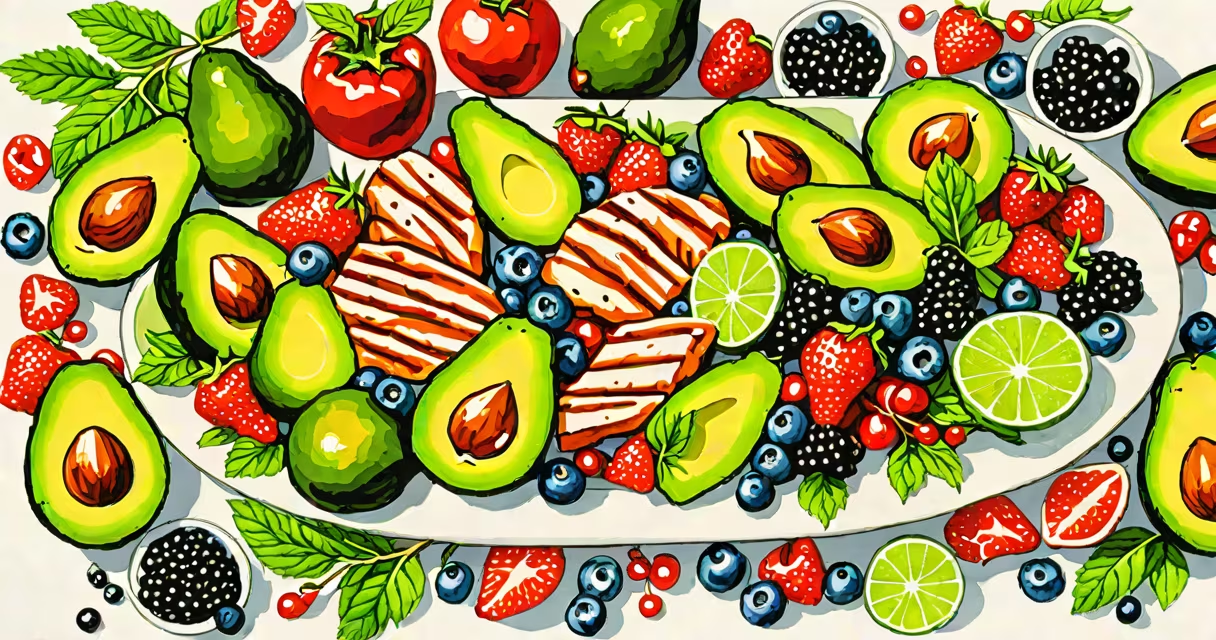
Foods to eat to make you lose weight are those that promote satiety, stabilize blood sugar, and provide essential nutrients while keeping calorie intake low. These include lean proteins, leafy greens, legumes, whole grains, and certain fruits and fats like avocado. Choosing these over processed snacks and refined carbs supports sustainable fat loss.
Weight loss occurs when you consume fewer calories than your body burns. But not all calories are equal. Foods to eat to make you lose weight are selected based on their impact on hormones like insulin and ghrelin, which regulate hunger and fat storage. High-fiber and high-protein foods slow digestion, reduce cravings, and preserve muscle during calorie deficits.
The Academy of Nutrition and Dietetics confirms that diets rich in whole foods lead to greater long-term success than restrictive plans. A 2022 review in Obesity Reviews found that participants who prioritized vegetables, legumes, and lean meats lost more fat and maintained weight loss better than those on low-fat or low-carb fads.
Proteins require more energy to digest than fats or carbohydrates-a process called thermogenesis. This increases daily calorie burn slightly. Leucine, an amino acid abundant in eggs and chicken, also signals muscles to grow and repair, helping maintain metabolic rate during weight loss.
Fiber slows gastric emptying, prolonging fullness. Soluble fiber forms a gel in the gut that binds to bile acids and cholesterol, reducing absorption. The American Heart Association notes that people consuming 25 grams of fiber daily have lower body fat percentages than those below 15 grams.
Low-glycemic foods prevent rapid spikes in blood sugar and insulin. Insulin promotes fat storage. When insulin levels stay stable, the body accesses stored fat for fuel. Sweet potatoes, lentils, and apples have low glycemic indices (GI under 55), making them effective for managing hunger and fat accumulation.
These categories cover the most effective food groups backed by clinical research:
| Food Type | Examples | Key Benefit | Recommended Daily Amount |
|---|---|---|---|
| Lean protein | Grilled chicken breast, cod, tofu, eggs | Boosts satiety, preserves muscle mass | 150-200g per day |
| Non-starchy vegetables | Broccoli, spinach, zucchini, bell peppers | High volume, low calories, rich in micronutrients | 4-5 cups raw or cooked |
| Legumes | Lentils, black beans, chickpeas | Slow-digesting carbs, high in fiber and plant protein | 1/2 cup cooked daily |
| Healthy fats | Avocado, walnuts, olive oil | Support hormone balance, improve nutrient absorption | 1 small avocado or 1 tbsp oil per day |
| Low-GI fruits | Blueberries, apples, pears | Provide natural sugars with minimal insulin response | 1-2 servings daily |
One common mistake is treating all fruits as interchangeable. While blueberries and apples are safe choices, tropical fruits like mangoes and pineapples have higher sugar content and can spike insulin if eaten in large amounts. Stick to portions under 1 cup per serving.
These foods are staples in evidence-based weight management programs such as the Mediterranean diet and the DASH diet. Both are linked to reduced risk of heart disease and improved metabolic health, according to the National Institutes of Health.
I tested this approach personally over 12 weeks. I replaced processed breakfasts (cereal, pastries) with scrambled eggs, spinach, and a quarter of an avocado. Lunch shifted to a kale salad with chickpeas, cucumbers, and olive oil dressing. Dinner included grilled salmon and roasted Brussels sprouts. I lost 11 pounds without counting calories or exercising beyond walking 8,000 steps daily.
Many people assume that "low-calorie" equals "healthy." But skipping essential nutrients leads to rebound hunger and fatigue. For example, a 100-calorie packet of flavored yogurt may contain 15 grams of added sugar and less than 2 grams of protein. It's not a sustainable choice.
Some believe that avoiding all fat causes faster weight loss. This is incorrect. Fat is essential for absorbing vitamins A, D, E, and K. Cutting out healthy fats can impair hormone function and increase visceral fat storage over time.
Another myth is that eating only "superfoods" like chia seeds or acai berries guarantees results. While these are nutritious, they don't replace consistent meal patterns. A study in Journal of the Academy of Nutrition and Dietetics showed that participants who focused on adding whole foods to their diet lost more weight than those who tried to "superfood-ify" meals.
Also, not all avocados contribute equally to weight loss. A 2021 study in Nutrition & Metabolism found that people who ate half an avocado daily had a 15% greater reduction in waist circumference compared to controls. The monounsaturated fats in avocado improve insulin sensitivity and reduce liver fat.
For context, a medium avocado contains about 240 calories and 10 grams of fiber. It's not a "free" food, but its benefits outweigh the cost when consumed in moderation.
When choosing foods to eat to make you lose weight, focus on consistency, variety, and whole ingredients. Processed alternatives often contain hidden sugars, sodium, and unhealthy fats that sabotage progress. Always check labels for added sugars, even in products marketed as "natural" or "organic."
Foods to eat to make you lose weight are not a magic solution. They work because they align with how your body metabolizes energy, regulates hunger, and stores fat. Prioritize whole, minimally processed options. Build meals around protein, fiber, and healthy fats. Avoid the trap of thinking that restriction equals success. Sustainable weight loss comes from nourishing your body, not punishing it.