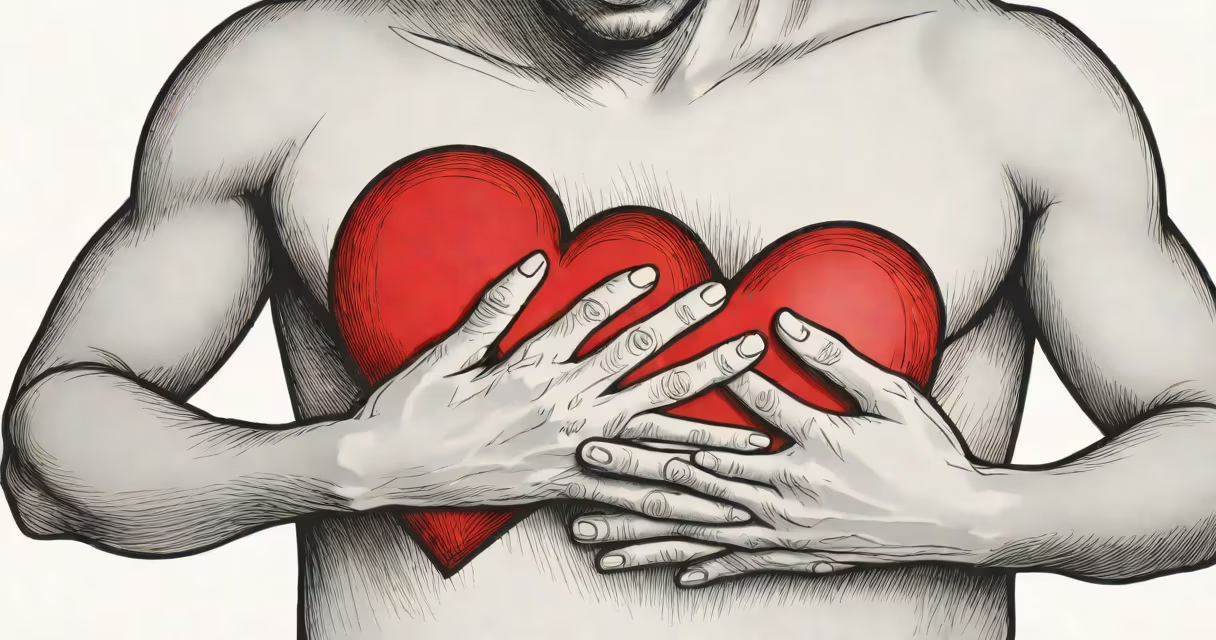
Signs and symptoms of heart attack include persistent chest pressure or tightness, pain radiating to the left arm, jaw, or back, shortness of breath, cold sweats, nausea, and lightheadedness. These occur when blood flow to part of the heart muscle is blocked, usually by a clot in a coronary artery.
Heart attacks result from acute coronary syndrome, typically caused by atherosclerosis-a buildup of plaque in the arteries that ruptures and triggers clot formation. When blood flow stops, heart tissue begins to die within minutes. The American Heart Association notes that about 600,000 Americans experience a heart attack each year, and nearly half do not survive past the first hour without intervention.
Not all heart attacks present with dramatic chest pain. Some people, especially women and older adults, report subtle or atypical symptoms such as fatigue, indigestion-like discomfort, or unexplained anxiety. Delaying care increases mortality risk. Immediate medical attention reduces damage and improves survival odds.
When a coronary artery becomes blocked, oxygen-rich blood cannot reach the affected area of the heart. Without oxygen, cardiac cells begin to malfunction and die. This process triggers nerve signals interpreted by the brain as pain or pressure. The sensation often starts gradually and worsens over time.
The autonomic nervous system responds to this stress by releasing adrenaline and activating sweat glands. This leads to cold sweats, rapid breathing, and dizziness. The body's attempt to compensate for reduced cardiac output may cause shortness of breath even at rest.
A 2021 study published in Circulation found that 30% of patients who had a heart attack reported no chest pain during the event. Among those, 45% were women, highlighting the need to recognize non-traditional presentations.
Classic signs of heart attack include:
These symptoms often appear suddenly and do not resolve with rest or nitroglycerin. A 2023 analysis from the National Institutes of Health confirmed that chest pain occurs in 70% of men and 50% of women during a heart attack, underscoring gender differences in symptom expression.
Heart attacks vary in how they manifest. The most common form is ST-elevation myocardial infarction (STEMI), which shows clear changes on an electrocardiogram (ECG) and requires immediate reperfusion therapy. Non-ST-elevation myocardial infarction (NSTEMI) lacks these ECG changes but still involves heart muscle damage detectable through blood tests.
| Feature | STEMI | NSTEMI |
|---|---|---|
| ECG Change | ST segment elevation | No ST elevation |
| Artery Blockage | Complete occlusion | Partial or fluctuating blockage |
| Onset Speed | Fast, severe | Can be gradual |
| Treatment Priority | Emergency angioplasty within 90 minutes | Medication-first, then catheterization |
Atypical presentations are more common in individuals with diabetes, older adults, and women. A patient with diabetes may have a "silent" heart attack due to nerve damage reducing pain perception. In one study, 22% of diabetic patients had no chest pain during a heart attack.
Heart attack symptoms are frequently mistaken for indigestion, acid reflux, or musculoskeletal pain. Gastroesophageal reflux disease (GERD) can mimic chest pressure, especially when lying down. However, heart-related chest pain typically lasts longer than 10 minutes and does not improve with antacids.
Costochondritis-a condition involving inflammation of the cartilage connecting ribs to the sternum-can cause sharp, localized chest pain that worsens with movement or deep breaths. Unlike heart attack pain, it does not radiate to the arm or jaw and is not associated with sweating or shortness of breath.
A key distinction: heart attack pain often persists despite rest or position changes. Pain from a panic attack may come and go quickly and is linked to emotional triggers. But both can cause similar symptoms like palpitations and sweating, making accurate diagnosis essential.
In 2022, a 68-year-old man in suburban Atlanta began feeling a dull pressure under his breastbone while mowing the lawn. The sensation lasted 15 minutes and came and went. He dismissed it as gas. By the time he called 911, the pain had spread to his left arm and jaw.
Paramedics arrived in 8 minutes. An ECG showed ST-segment elevation. He was rushed to a primary PCI-capable hospital and underwent emergency angioplasty within 45 minutes of arrival. His left anterior descending artery was 95% blocked. After treatment, his heart function stabilized.
He survived and later said, "I thought it was my stomach. I didn't know it was my heart." This case illustrates how delayed recognition leads to worse outcomes. Early action saved his life.
Every minute counts during a heart attack. The American College of Cardiology states that reperfusion therapy-such as clot-busting drugs or angioplasty-must begin within 90 minutes of symptom onset to maximize recovery. Delays beyond this window increase the risk of permanent heart damage and death.
Calling emergency services immediately is the fastest way to receive treatment. Bystander CPR, if needed, can double survival rates. Public awareness campaigns emphasize the "FAST" acronym (Face drooping, Arm weakness, Speech difficulty, Time to call 911), though this applies to stroke. For heart attack, the message is simpler: act fast, call 911.
Heart attack and heart failure are distinct conditions. A heart attack is an acute event caused by blocked blood flow. Heart failure develops over time as the heart weakens and cannot pump effectively. While a heart attack can lead to heart failure, they are not the same.
Signs and symptoms of heart failure include progressive shortness of breath, swelling in the legs and ankles, fatigue, and waking up at night gasping for air. These symptoms develop slowly and worsen over weeks or months. In contrast, heart attack symptoms appear suddenly and require urgent care.
Women over 70 are less likely to report classic chest pain. Instead, they may describe fatigue, confusion, or a feeling of being "not themselves." A 2020 study in JAMA Internal Medicine found that women aged 70 and above were 30% less likely to receive timely reperfusion therapy compared to men, partly due to misdiagnosis.
Older adults may present with altered mental status, falls, or sudden weakness. These are not typical heart attack signs but can indicate a cardiac event. Healthcare providers must consider heart attack in patients with unexplained decline in function.
Recognizing the signs and symptoms of heart attack is not optional-it's lifesaving. Chest pressure, arm pain, shortness of breath, cold sweats, and nausea are red flags. Do not wait. Call 911 immediately. Early treatment prevents irreversible damage and improves survival. If you or someone nearby experiences these symptoms, act now.