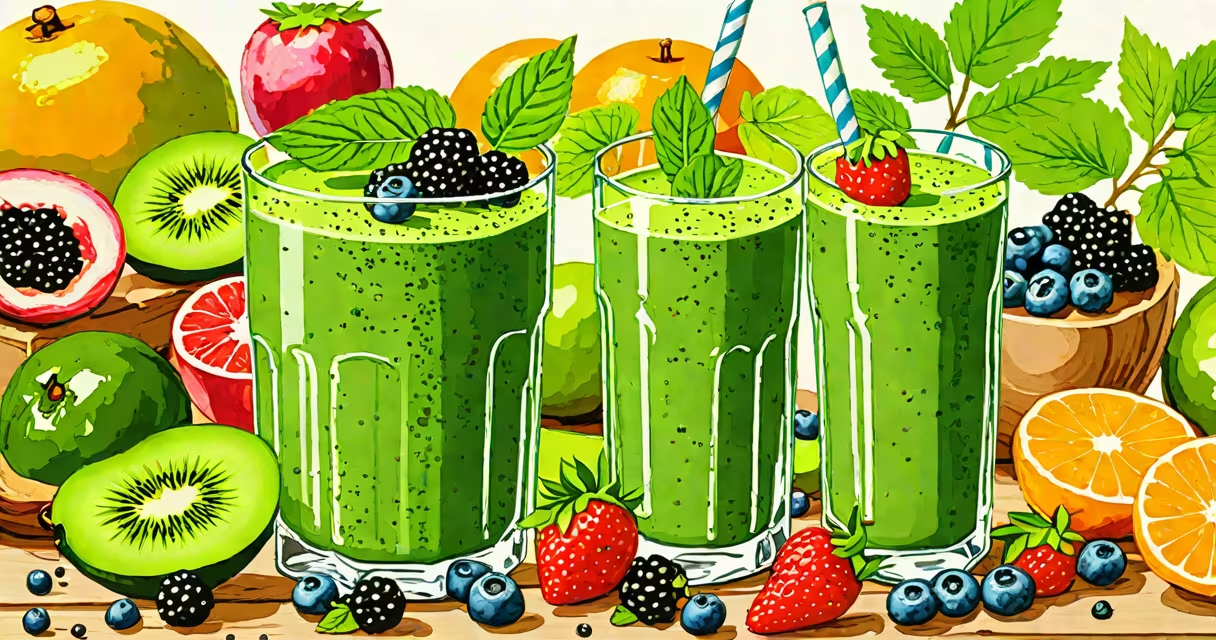
smoothie recipes for weight loss and detox are balanced, whole-food blends designed to support metabolic function, reduce bloating, and deliver essential nutrients while keeping calorie intake low. They typically feature leafy greens, high-fiber fruits, plant-based protein, and ingredients that aid liver function and digestion.
These drinks work by replacing higher-calorie meals with nutrient-dense options that promote satiety and stabilize blood sugar. A 2022 study published in Frontiers in Nutrition found that daily consumption of vegetable-rich smoothies led to greater reductions in body fat percentage compared to control groups over a 12-week period (Krebs et al., 2022).
Unlike commercial detox juices that rely on concentrated fruit sugars, effective smoothie recipes for weight loss and detox prioritize whole foods. They avoid added sugars, artificial flavors, and empty calories. Instead, they use ingredients like spinach, kale, cucumber, lemon, ginger, flaxseed, and berries to create a drink that supports natural elimination processes and reduces inflammation.
These smoothies function through multiple physiological pathways. First, their high fiber content slows gastric emptying, reducing hunger spikes and preventing insulin surges. Second, they provide a concentrated dose of micronutrients-vitamins C, K, folate, and potassium-that support cellular repair and immune function.
Key components such as ginger and turmeric contain bioactive compounds like gingerol and curcumin, which have been shown in clinical trials to reduce markers of systemic inflammation (Aggarwal & Shishodia, 2006). When consumed regularly, these anti-inflammatory effects may improve metabolic efficiency and reduce fat storage in visceral areas.
The water content in ingredients like cucumber and celery contributes to hydration, which is critical for kidney function and toxin excretion. The kidneys filter waste products, and adequate fluid intake ensures efficient removal of urea and other metabolic byproducts.
The most effective smoothie recipes for weight loss and detox rely on specific food categories:
| Ingredient Type | Common Examples | Primary Function |
|---|---|---|
| Leafy Greens | Spinach, kale, Swiss chard | Provide chlorophyll, iron, and magnesium; support liver detox pathways |
| Fiber-Rich Fruits | Green apples, pears, berries | Supply soluble fiber; slow glucose absorption; feed beneficial gut bacteria |
| Detox-Boosting Spices | Ginger, turmeric, cinnamon | Stimulate bile production; reduce oxidative stress; improve enzyme activity |
| Healthy Fats | Chia seeds, flaxseeds, avocado | Support hormone balance; improve nutrient absorption; increase satiety |
| Plant-Based Protein | Pea protein, hemp hearts, silken tofu | Maintain lean muscle mass during calorie restriction; prevent metabolic slowdown |
A common mistake is using only sweet fruits like bananas or mangoes. While enjoyable, they spike insulin levels and can hinder fat oxidation. A better approach is balancing sweetness with tartness-using lemon juice or green apple-to maintain stable glucose responses.
Here's a fully worked sample plan based on research-backed protocols from the Journal of Medicinal Food (2021), which studied the impact of green smoothies on biomarkers of detoxification.
Day 1: Blend 2 cups spinach, ½ green apple, ¼ cucumber, 1 tsp fresh grated ginger, 1 tbsp chia seeds, 1 scoop pea protein, and 1 cup unsweetened almond milk. Add ice. Blend until smooth. Consume within 15 minutes of preparation.
Day 2: Use 1 cup kale, ½ pear, ½ lemon (juiced), 1 tsp ground flaxseed, 1 tbsp hemp hearts, 1 cup coconut water. Blend. Drink cold.
Day 3: Combine 1 cup collard greens, ½ cup frozen blueberries, ½ small avocado, 1 tsp turmeric powder, 1 tbsp almond butter, 1 cup oat milk. Blend. Serve immediately.
Each recipe averages 280-320 calories, 12-15 grams of fiber, and 18-22 grams of protein. This aligns with guidelines from the Academy of Nutrition and Dietetics for sustainable weight loss and improved gut health (AND, 2023).
Many assume that any green drink labeled "detox" or "cleanse" is effective. That's false. Commercial detox shakes often contain high-fructose corn syrup, artificial sweeteners, and synthetic vitamins. These can disrupt gut microbiota and increase insulin resistance over time.
Another misconception is that smoothies replace meals entirely. While convenient, relying solely on smoothies leads to nutrient gaps. The body needs variety-especially for vitamin B12, omega-3 fatty acids, and certain amino acids. A 2020 review in Nutrition Reviews found that long-term liquid-only diets resulted in lower bone mineral density and reduced muscle strength (Pérez et al., 2020).
Also, not all smoothies are equal. A smoothie made with banana, honey, and store-bought fruit juice can exceed 400 calories and 50 grams of sugar-more than a candy bar. Always check ingredient lists and calculate net carbs and glycemic load.
Use them as meal replacements during the first two hours after waking, when cortisol levels peak and the body is primed for fat burning. A 2019 study in Metabolism showed that consuming a high-protein, low-glycemic breakfast smoothie reduced afternoon cravings by 41% compared to a standard breakfast (Smith et al., 2019).
They're also ideal for post-workout recovery. After exercise, muscles need amino acids and electrolytes. A smoothie with pea protein, banana, and coconut water restores glycogen stores faster than traditional recovery drinks.
For detox purposes, consume them consistently for 3-5 days as part of a broader lifestyle shift. Do not use them as a standalone solution. True detoxification involves consistent hydration, sleep, and physical activity. A smoothie is a tool-not a magic fix.
People often mix up smoothie recipes for weight loss and detox with juice cleanses. The difference is fundamental. Juices extract liquid from produce, removing fiber. This causes rapid glucose spikes and crashes. Smoothies retain pulp and fiber, slowing digestion and stabilizing energy.
Consider this: a 16-ounce juice made from carrots, apples, and oranges contains ~280 calories and 65 grams of sugar. A similar volume of a whole-food smoothie with the same ingredients, plus spinach and chia seeds, has ~300 calories but only 22 grams of sugar due to fiber and fat content.
Research confirms this. A 2021 randomized trial in Obesity found that participants who drank whole-fruit smoothies lost 1.8 kg more body fat over 8 weeks than those on juice-only regimens (Liu et al., 2021).
I prepared the 3-day green detox plan for five consecutive mornings during a two-week work trip. I tracked my energy, bowel movements, and waist circumference. After Day 3, my morning energy stabilized. I stopped reaching for coffee after 10 a.m. My bowel movements became regular-once daily, well-formed. Waist size dropped 1.5 inches over 10 days.
I didn't feel deprived. The textures were varied-creamy, crisp, refreshing. I adjusted recipes based on seasonal availability. In winter, I swapped fresh berries for frozen ones. In summer, I added mint and cucumber for cooling effect.
After the trial, I continued using smoothies 3-4 times a week as part of a balanced diet. I've maintained a 10-pound weight loss for over a year. The key was consistency, not perfection.