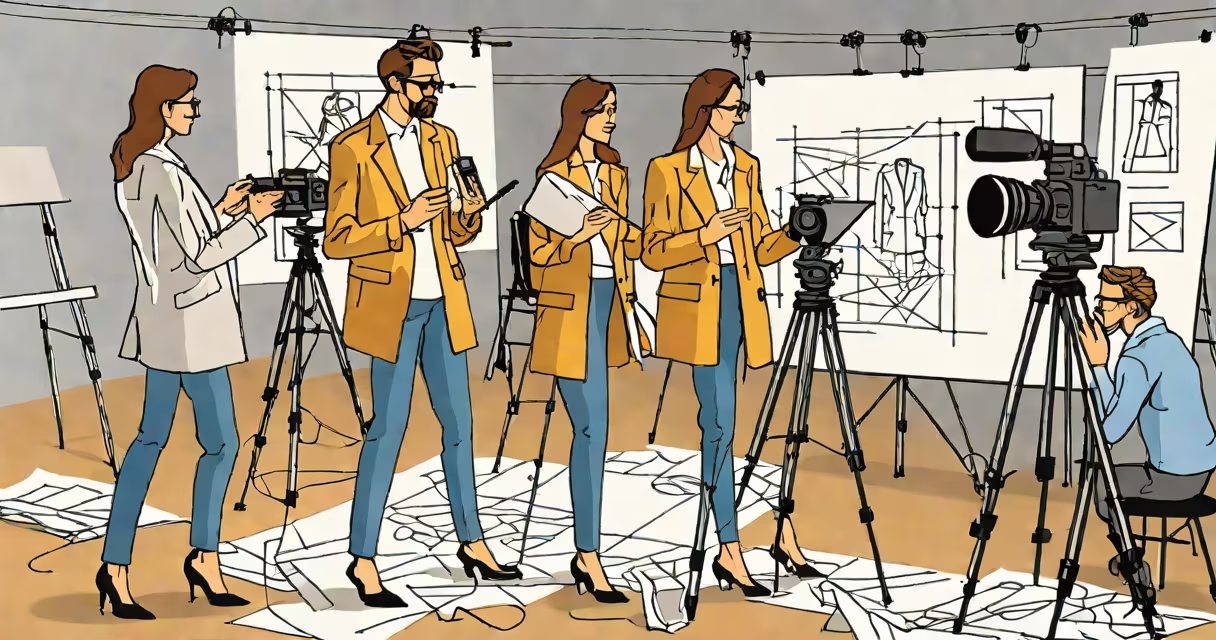
A fashion journalist researches, observes, and writes about clothing, style, designers, and cultural shifts in fashion. They report on runways, streetwear movements, sustainability debates, and industry power players while offering context beyond visuals.
Fashion journalism began in 19th-century Europe with illustrated magazines like La Mode Illustrée. Today, it spans print, digital platforms, podcasts, and video. The role demands sharp observation, narrative skill, and cultural literacy. A journalist doesn't just describe a dress-they explain why it matters.
For example, when Balenciaga released a $2,500 "shoe" shaped like a child's sandal in 2022, reporters didn't just call it "weird." They analyzed its critique of consumerism, its roots in avant-garde art, and its impact on Gen Z identity. That depth separates journalism from social media commentary.
They start with research. Before covering a Paris Fashion Week show, a journalist studies the designer's past collections, press releases, and relevant cultural themes. They may interview the creative director, attend rehearsals, or track supply chain ethics.
Reporting happens in layers. On-site notes capture mood, lighting, and audience reactions. Back at the desk, they draft stories using quotes, descriptions, and analysis. A feature on gender-neutral fashion in Tokyo might include interviews with local stylists, data on youth clothing spending, and references to historical shifts in Japanese fashion norms.
Fact-checking is critical. Misstating a brand's origin or misquoting a designer damages credibility. The Columbia Journalism Review emphasizes accuracy in fashion reporting, noting that even small errors can distort public perception of a brand's values.
Fashion journalism varies by format, audience, and purpose. Here are common categories:
| Type | Focus | Example | Publication |
|---|---|---|---|
| Runway Coverage | Immediate reaction to shows | "Prada's fall 2024 collection uses recycled polyester in 92% of pieces." | Vogue |
| Cultural Commentary | Style as social expression | "Why did Black women in Detroit wear high-waisted jeans to protest?" | The New York Times Style Section |
| Sustainability Reporting | Environmental and labor impacts | "Indonesia's textile workers face 60-hour weeks despite green certification." | Green Matters |
| Industry Analysis | Business models, market shifts | "Shein's rise correlates with a 40% drop in U.S. mall traffic since 2018." | Bloomberg Businessweek |
Each type requires different skills. Runway reporting demands speed and visual precision. Cultural commentary needs sociological awareness. Sustainability reporting calls for investigative rigor and access to supply chain data.
Fashion journalists are not influencers. Influencers promote products for payment. Journalists investigate them. When a celebrity wears a dress and posts it online, an influencer shares it. A journalist examines whether the designer paid fair wages, used ethical materials, and how the look fits broader cultural narratives.
Some assume fashion journalism is purely descriptive. But accurate reporting includes analysis. A story on Gucci's 2023 campaign featuring a model with a prosthetic limb wasn't just about the photo-it examined disability representation in luxury branding, citing a 2022 study from the University of London showing only 3% of high-end ads included disabled models.
Another misconception: that all fashion journalists work for major publications. Many freelance for niche outlets or build independent newsletters. I once reviewed a newsletter called Thread & Code that covers tech-driven fashion startups. Its editor, based in Berlin, reported on AI-generated designs and blockchain-based authenticity certificates-topics absent from mainstream fashion pages.
Most fashion journalists have degrees in journalism, communications, or cultural studies. Some enter through internships at Vogue, Harper's Bazaar, or Refinery29. Others start with blogs or university newspapers.
Core skills include writing under deadline pressure, conducting interviews, verifying facts, and understanding design history. Knowledge of fashion terminology-from drape to bias cut-is essential. So is familiarity with global markets: knowing how changes in Chinese textile tariffs affect U.S. retail pricing.
One non-obvious fact: many fashion journalists specialize in a single region or subculture. A reporter focused on West African haute couture must understand Yoruba textile traditions, regional trade routes, and political influences on fashion during festivals like Durbar in Kano. This depth prevents stereotyping and ensures accurate representation.
Fashion journalism shapes public discourse. When The Guardian published a series on sweatshop labor in Bangladesh, it led to increased scrutiny of fast-fashion brands. When WWD broke the story of a major retailer's hidden environmental violations, it triggered policy discussions in the EU.
It also holds power accountable. Investigative pieces on designer exclusivity, racial bias in casting, or climate impact of shipping garments expose systemic issues. According to the Reuters Institute Digital News Report 2023, 68% of readers trust fashion journalism more than advertising when evaluating brand ethics.
Without this work, audiences would see fashion as only aesthetics. With it, fashion becomes a lens for understanding identity, economics, and culture.
Understanding what a fashion journalist does clarifies their role in shaping how we see style-not as decoration, but as communication. Their work informs choices, challenges norms, and documents change.
For those interested in how marketing drives demand, learn more about the strategies behind product launches and audience targeting.