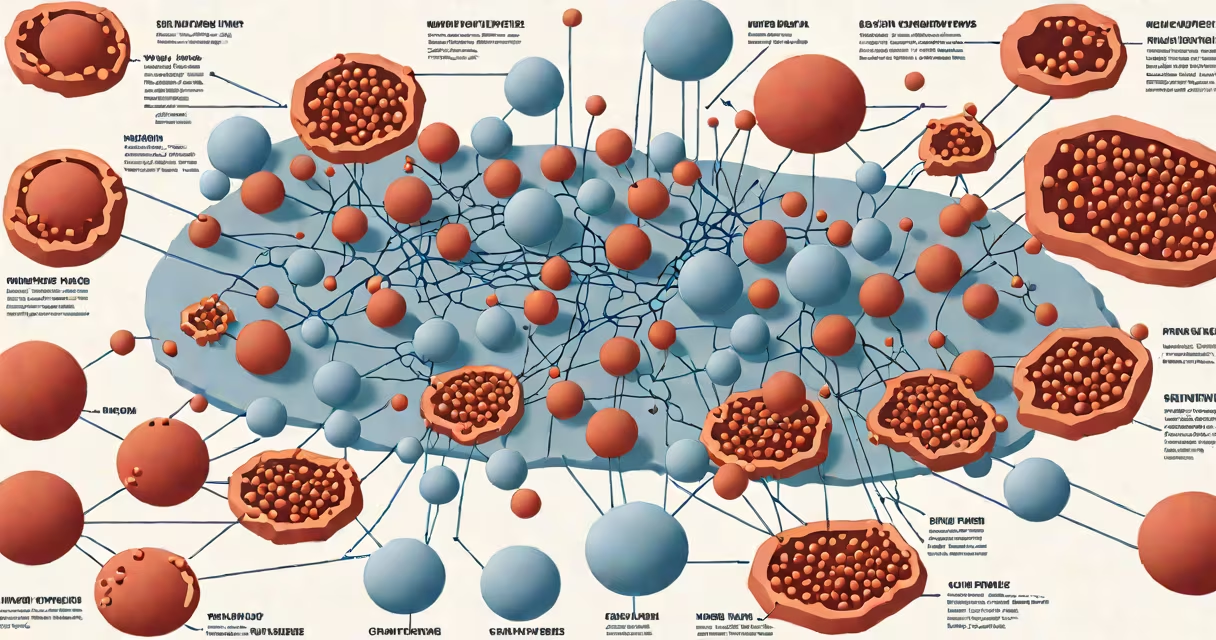
Platelets, also called thrombocytes, are small, colorless cell fragments in your blood that play a critical role in stopping bleeding by forming clots. They circulate in the bloodstream until activated by injury, then rush to the site of damage to seal wounds and prevent excessive blood loss.
When a blood vessel is damaged, platelets adhere to the exposed collagen in the vessel wall. They change shape, release chemical signals, and aggregate with other platelets to form a plug. This process, known as primary hemostasis, is the first step in preventing hemorrhage. Without functional platelets, even minor cuts can lead to prolonged bleeding.
Platelets are produced in the bone marrow from large precursor cells called megakaryocytes. A healthy adult produces about 100 billion platelets daily. The average lifespan of a platelet is 7 to 10 days. Once they age or are damaged, they are removed by the spleen and liver.
Platelets don't just stick together-they actively coordinate with proteins in the blood to create a stable clot. After initial aggregation, they trigger the coagulation cascade, a series of reactions involving fibrinogen and thrombin that forms a mesh of fibrin strands. This fibrin network reinforces the loose platelet plug, turning it into a durable clot.
A key example is seen in patients with Bernard-Soulier syndrome, a rare inherited disorder where platelets lack the glycoprotein Ib receptor. These individuals cannot bind to von Willebrand factor, a protein essential for platelet adhesion at injury sites. As a result, they bleed excessively from minor injuries, such as nosebleeds or gum bleeding, even with normal platelet counts.
Another example is aspirin's effect on platelets. Aspirin irreversibly inhibits cyclooxygenase-1 (COX-1), reducing thromboxane A2 production-a potent platelet activator. This is why low-dose aspirin is prescribed to reduce heart attack risk: it prevents unwanted platelet aggregation in coronary arteries.
Platelets are not complete cells. They lack a nucleus and mitochondria, relying on stored energy and enzymes for rapid response. Their internal structure includes dense granules (containing ADP, calcium, serotonin), alpha granules (carrying growth factors and clotting proteins), and a membrane-bound tubular system for signaling.
| Component | Function | Example Impact if Deficient |
|---|---|---|
| Dense granules | Release ADP to amplify platelet activation | Storage pool disease - prolonged bleeding after surgery |
| Alpha granules | Provide fibrinogen and factor V for clot stabilization | Gray platelet syndrome - weak clots, increased bruising |
| Glycoprotein IIb/IIIa receptors | Bind fibrinogen to link platelets together | Glanzmann thrombasthenia - severe bleeding despite normal counts |
Each component contributes to platelet function. Deficiencies in any part disrupt the clotting process. For instance, mutations in the ITGA2B gene cause Glanzmann thrombasthenia, a condition where platelets fail to aggregate due to absent GP IIb/IIIa receptors. Patients often require transfusions during dental procedures or childbirth.
The normal platelet count ranges from 150,000 to 450,000 per microliter of blood. Values below 150,000 indicate thrombocytopenia; above 450,000 suggest thrombocytosis. These thresholds are based on guidelines from the American Society of Hematology and the National Institutes of Health.
Thrombocytopenia can result from bone marrow suppression (e.g., chemotherapy), immune destruction (e.g., idiopathic thrombocytopenic purpura), or increased splenic sequestration. A patient with HIV-related thrombocytopenia may have a count of 50,000 and develop petechiae-tiny red spots from microbleeds under the skin.
Thrombocytosis, especially when persistent, increases the risk of abnormal clotting. Reactive thrombocytosis occurs after infection or inflammation (e.g., post-surgical recovery). However, essential thrombocythemia-a myeloproliferative neoplasm-can cause platelet counts over 1 million. In one study, patients with counts above 1,000,000 had a 3% annual risk of stroke or heart attack due to spontaneous clot formation.
High platelet counts do not always mean higher clotting risk. Some patients with reactive thrombocytosis show normal platelet function despite elevated numbers. Conversely, patients with low counts may still have hyperactive platelets due to underlying conditions like lupus.
Many people assume platelets are red blood cells or white blood cells. They are neither. Red blood cells carry oxygen. White blood cells fight infection. Platelets handle hemostasis-specifically, stopping bleeding.
Another misconception is that platelets are only involved in wound healing. While they are important for trauma response, they also contribute to tissue repair and immune modulation. Research shows platelets release cytokines that influence inflammation and angiogenesis-the formation of new blood vessels.
A lesser-known fact: platelets can survive in circulation for up to 10 days, but their function declines after day 7. This is why platelet transfusions must be used within 5 days of collection. Stored platelets lose surface receptors and become less effective at aggregating.
I once observed a patient with a platelet count of 120,000 who experienced spontaneous bruising. Further testing revealed impaired platelet aggregation due to a rare mutation in the P2Y12 receptor. Despite being above the threshold for thrombocytopenia, the patient's platelets failed to respond to ADP-a key signal in activation. This case illustrates that count alone doesn't predict function.
Unexplained bruising, frequent nosebleeds, or prolonged bleeding after minor cuts may indicate platelet dysfunction. Persistent bleeding during menstruation or after dental work warrants evaluation. A complete blood count (CBC) with platelet differential is the first diagnostic step.
If abnormalities are detected, further tests such as a peripheral smear, platelet aggregation assay, or bone marrow biopsy may be needed. For example, a peripheral smear showing large, abnormal platelets suggests Bernard-Soulier syndrome. A platelet aggregation test using ADP, epinephrine, and collagen can identify specific defects.
Understanding what are platelets in your blood helps clarify their important role beyond just "clotting." They are changing, responsive elements of the circulatory system that maintain vascular integrity. Knowing normal ranges and recognizing warning signs can prevent serious complications.