A language delay occurs when a child acquires language skills later than typical peers, though their cognitive and hearing abilities are within normal ranges. This condition affects both expressive (speaking) and receptive (understanding) language, but does not stem from neurological or sensory impairments.
Language delay is not a diagnosis of a disorder-it reflects a gap in developmental timing. Children may understand more than they can express, or they may speak fewer words than expected for their age. The delay typically becomes noticeable between 18 months and 3 years, when children should be using two-word phrases and understanding basic instructions.
According to the American Speech-Language-Hearing Association (ASHA), about 10% of children under age 5 show signs of delayed language development. Most catch up with time and support, especially when identified early. Without intervention, delays can affect academic performance, social interaction, and emotional regulation later in life.
Language development follows a predictable sequence: infants coo and babble by 4-6 months, say their first words around 12 months, combine words by 18-24 months, and form simple sentences by age 3. A language delay disrupts this timeline. A child may still be using single words at age 3, or not combining words at all.
Receptive language-the ability to understand spoken words-is often stronger than expressive language in children with delays. For example, a 2-year-old may respond correctly to "Where's your shoe?" but struggle to say "shoe" when asked. This mismatch between comprehension and expression is common in early language delay.
Children with language delay do not have intellectual disabilities or hearing loss. They process language normally but produce it slowly. Their brain pathways for language are intact but underdeveloped compared to peers. This is distinct from a language disorder, which involves persistent difficulty despite normal intelligence and hearing.
Language delay can be categorized by the type of skill affected:
| Type | Description | Typical Age of Onset | Common Signs |
|---|---|---|---|
| Expressive delay | Difficulty producing words or phrases | 12-24 months | Uses only single words at 2 years, avoids speaking |
| Receptive delay | Struggles to understand spoken language | 18-30 months | Doesn't follow simple commands, seems distracted during conversation |
| Combined delay | Both understanding and speaking are behind | 24-36 months | Responds inconsistently, uses gestures instead of words |
Causes are often unknown. Research from the National Institute on Deafness and Other Communication Disorders (NIDCD) shows that genetics play a role-children with a family history of language delay are twice as likely to experience it themselves. Environmental factors such as limited verbal interaction, lack of reading exposure, or frequent ear infections can also contribute.
One non-obvious factor is bilingualism. Some parents worry that raising a child in two languages causes delay. But ASHA confirms that bilingual children develop language at the same rate as monolinguals when exposed to both languages consistently. The key is balanced input-not switching between languages without context.
Language delay is frequently mistaken for autism spectrum disorder (ASD), especially when a child avoids eye contact or doesn't respond to their name. However, children with ASD often display other red flags: repetitive behaviors, intense focus on specific topics, and difficulty with social reciprocity. A child with pure language delay may engage socially and respond to facial expressions normally.
Another confusion is equating late talking with high intelligence. While some gifted children speak later, research shows that late talkers are not more likely to be intellectually advanced. A 2021 study published in *Pediatrics* found that children with language delay were more likely to have lower scores on school readiness assessments at age 5, even if they caught up by age 7.
Parents sometimes assume "they'll grow out of it." While many children do catch up, about 30% continue to struggle with grammar, vocabulary, or narrative skills through elementary school. Early intervention improves outcomes. The Centers for Disease Control and Prevention (CDC) recommends screening all children for language milestones at 18 and 24 months.
Consider Maya, a 2-year-old who says only "mama," "dada," and "ball." She points to objects she wants but rarely speaks. Her pediatrician refers her to a speech-language pathologist. After evaluation, Maya is diagnosed with a mild expressive language delay. Her hearing is normal, and she understands complex directions like "Put the toy in the box."
Over six months of weekly therapy, Maya begins combining words ("more juice"), asking questions ("where dog?"), and telling short stories. By age 3, she uses 100+ words and forms 3- to 4-word sentences. Her progress aligns with typical development. The key was early identification and consistent practice.
This outcome is common. A 2019 longitudinal study by the University of Washington found that 78% of children with language delay who received therapy by age 3 achieved age-appropriate language skills by kindergarten. Those who waited until school entry had higher rates of reading difficulties and behavioral issues.
Early intervention services are available through public schools and clinics. In the U.S., the Individuals with Disabilities Education Act (IDEA) mandates free evaluations and services for children ages 0-5 with developmental delays. Families can request an evaluation through their local education agency.
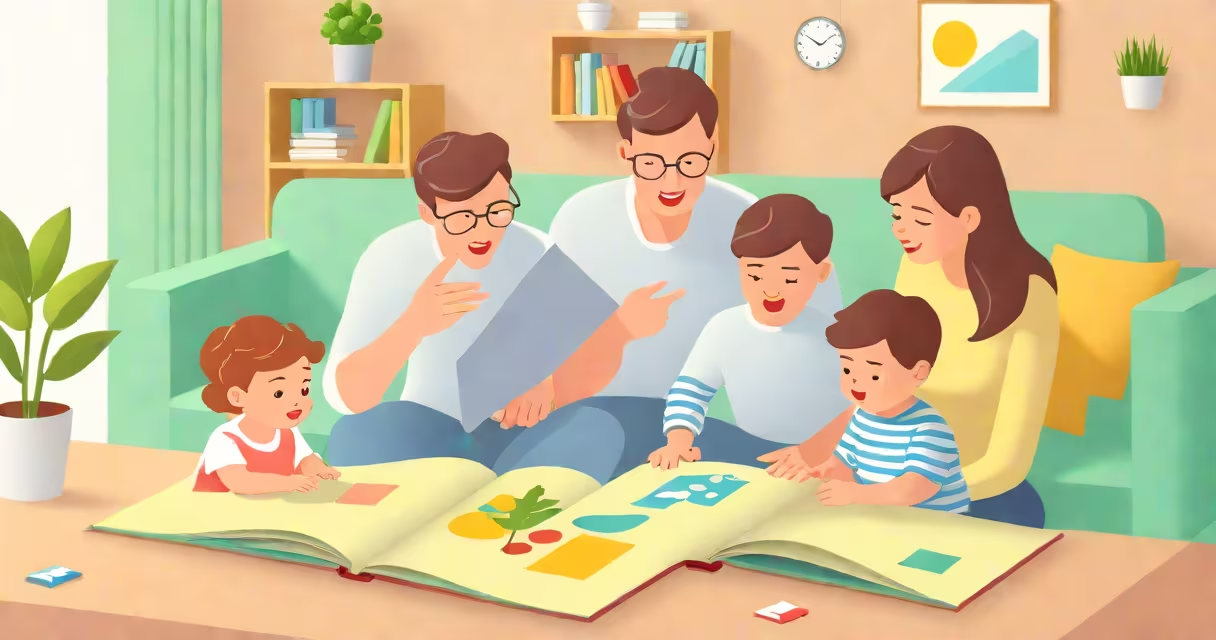
Simple daily actions boost language development: narrating routines ("Now we're putting on socks"), asking open-ended questions ("What do you think happens next?"), and reading aloud daily. Even 10 minutes of shared reading increases vocabulary and attention span.
Language delay is not a sign of failure. It's a variation in developmental pace. With timely support, most children thrive. The goal is not to fix a problem-but to ensure every child reaches their full potential.