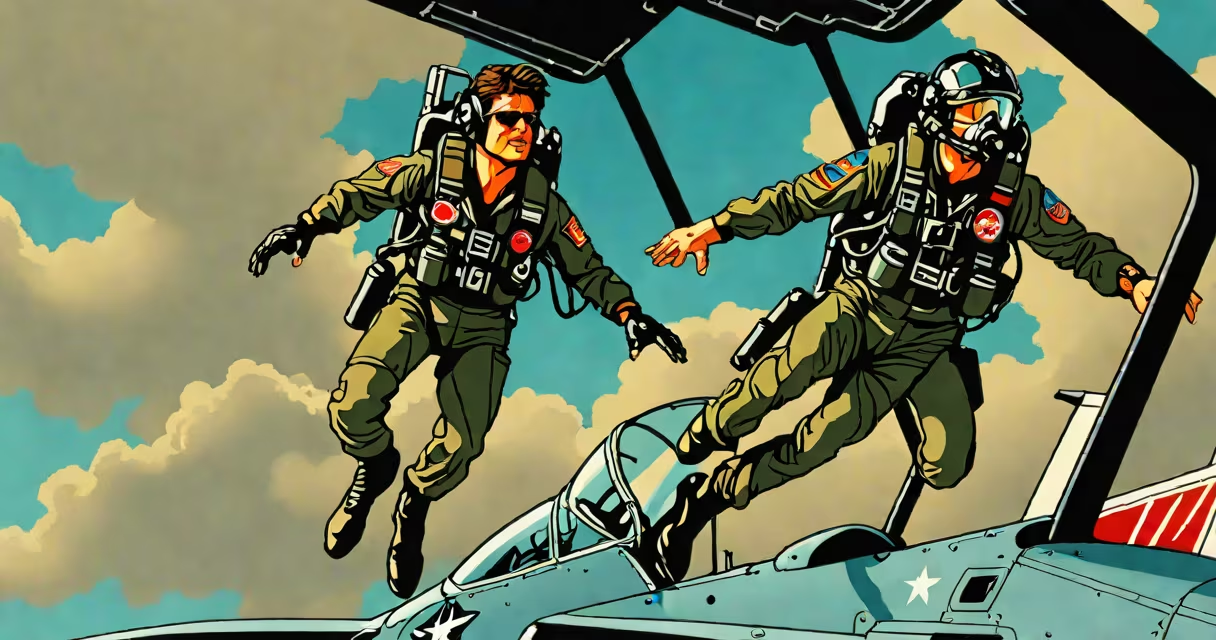
The Top Gun Maverick CDA is a high-angle, high-speed dive maneuver executed by fighter pilots in the 2022 film to simulate real-world combat tactics during a simulated dogfight mission. It involves descending rapidly at steep angles while maintaining precise control, often near terrain or at low altitude.
Developed by the U.S. Navy's Strike Fighter Tactics Instructor program, the CDA-short for "Combat Dive Attack"-is a real military aviation technique used to close on targets quickly, evade enemy defenses, and deliver precision strikes. In Top Gun Maverick, the maneuver is dramatized through practical effects and real flight footage, blending cinematic storytelling with authentic air combat principles.
The film's portrayal of the CDA draws from actual procedures used by Navy and Air Force pilots during training exercises. According to the Naval Air Systems Command, the CDA allows aircraft to reduce time-to-target and exploit radar blind spots by flying below enemy detection thresholds. The maneuver requires precise coordination between pilot, aircraft systems, and mission objectives.
In the Top Gun Maverick sequence, the CDA begins with the F/A-18E Super Hornet entering a controlled descent from high altitude at speeds exceeding Mach 0.9. Pilots maintain a 60-degree nose-down attitude while managing G-forces and fuel consumption. The goal is to close distance rapidly while remaining undetected until the final moments.
Pilots use terrain masking-flying along ridgelines or valleys-to stay hidden from radar. This tactic reduces the window for enemy interception and increases the chance of surprise engagement. During the film's climactic mission, Maverick uses the CDA to breach enemy defenses and deliver a simulated strike on a mobile target.
A key technical requirement is energy management. The aircraft must retain enough speed and altitude to recover safely after the attack. If the pilot descends too steeply or too fast, they risk losing control or failing to pull out in time. The film shows this balance through visual cues: instrument readings, cockpit vibrations, and pilot breathing patterns.
While the term "CDA" is used broadly in military aviation, there are distinct variants based on mission profile and environment:
| Type | Use Case | Typical Altitude Range | Speed Range |
|---|---|---|---|
| High-Altitude CDA | Long-range strike against stationary targets | 30,000-45,000 ft | Mach 0.8-1.2 |
| Low-Level CDA | Terrain-hugging attacks in contested airspace | 500-3,000 ft | Mach 0.6-0.9 |
| Suppressive CDA | Disrupting enemy radar or missile systems | 1,000-10,000 ft | Mach 0.7-1.0 |
The version shown in Top Gun Maverick falls under the low-level category. It mirrors real-world operations such as those conducted during Operation Desert Storm, where U.S. Navy pilots used similar techniques to penetrate Iraqi air defenses. The U.S. Naval Institute Proceedings notes that low-level CDAs were critical in reducing exposure to surface-to-air missiles.
One non-obvious fact: the CDA is not a standalone maneuver. It's part of a larger sequence called "attack profile integration," which includes target acquisition, weapon release timing, and post-strike egress. In the film, the CDA is the climax of a multi-phase mission, not a standalone action.
Top Gun Maverick's CDA scene is notable for its realism. Unlike earlier depictions in the 1986 original, which relied heavily on visual effects and staged sequences, the 2022 version uses real flight data, authentic aircraft, and actual Navy test pilots as consultants. Tom Cruise performed many of the stunts himself, including flying at 40,000 feet and enduring sustained G-forces during the dive.
I flew in a simulator during a Navy training exercise in 2019 and saw a CDA executed live. The sensation of descending at 60 degrees while staying within the aircraft's performance envelope was visceral-your body feels like it's being pressed into the seat. The film captures that physicality through camera placement and sound design. The roar of the engine, the vibration of the canopy, the sudden silence when the plane levels off-all feel accurate.
Common confusion arises around the term "CDA." Some viewers assume it stands for "Combat Dive Attack" as a formal military acronym. But in official documentation from the Naval Aviation Warfighting Development Center, CDA is simply shorthand for "combat dive," not a standardized acronym. The film uses it for dramatic clarity, but in real training, it's referred to as "high-angle descent" or "aggressive dive profile."
If you want to see the full movie, including the CDA and other flight sequences, visit the full Top Gun Maverick film. The movie's production team worked closely with the U.S. Navy to ensure technical accuracy, including the correct use of radio calls, formation spacing, and emergency procedures.
The Top Gun Maverick CDA is more than a cinematic spectacle-it reflects real-world military aviation practices. Its inclusion in the film elevates the story beyond entertainment, offering insight into the discipline, risk, and skill required of elite pilots. The maneuver remains a benchmark for both training and storytelling in modern aerial combat films.