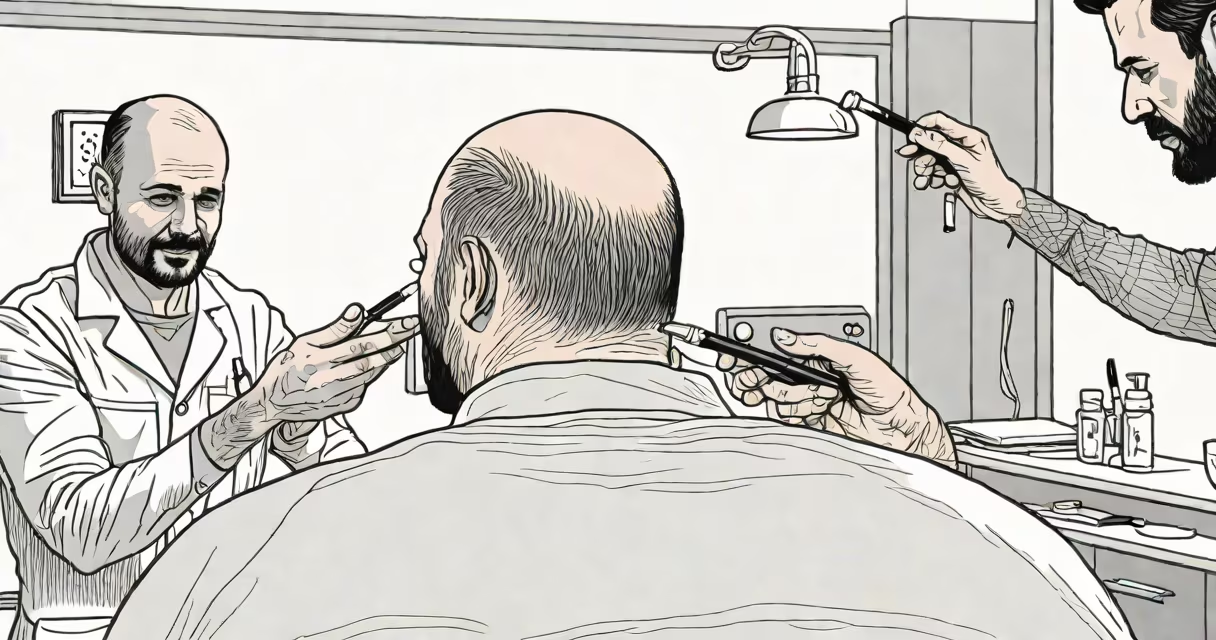
Turkish hair loss treatment refers to surgical and medical procedures performed in Turkey-primarily in Istanbul-that restore hair using follicular unit extraction (FUE) and advanced regenerative therapies. These treatments address genetic baldness, thinning, and pattern hair loss with high success rates and lower costs than Western alternatives.
FUE is the dominant technique. Surgeons extract individual hair follicles from the donor area-typically the back of the scalp-and implant them into balding regions. The process leaves minimal scarring and allows faster recovery. Clinics in Turkey perform 500 to 4,000 grafts per session, depending on patient needs and desired density.
Medical protocols often include PRP (platelet-rich plasma) injections, low-level laser therapy (LLLT), and oral supplements like minoxidil and finasteride. These support graft survival and stimulate dormant follicles. Many clinics integrate these into treatment plans, improving long-term outcomes.
Procedures begin with a consultation. A board-certified dermatologist or hair restoration surgeon evaluates the patient's scalp health, hair density, and donor supply. Digital imaging tools map the hairline and simulate expected results.
On the day of surgery, local anesthesia numbs the scalp. The surgeon uses a micro-punch tool to extract follicles one by one from the donor zone. Each graft contains 1-4 hairs. After harvesting, tiny incisions are made in the recipient area using a precision blade. Grafts are implanted at angles matching natural growth patterns.
The entire process takes 6-8 hours. Patients rest overnight at a clinic-affiliated hotel. Most return home within 48 hours. Shedding occurs in weeks 2-4 as transplanted hairs enter a resting phase. New growth begins around month 3, with full results visible by 12 months.
Not all Turkish hair loss treatments are the same. They vary by method, clinic standards, and surgeon expertise. The following table outlines key differences:
| Type | Procedure | Cost Range (USD) | Recovery Time | Best For |
|---|---|---|---|---|
| FUE (Standard) | Manual extraction of follicles | $2,500-$4,000 | 3-5 days | Patients with moderate thinning |
| FUE with Robot Assistance | AI-guided extraction using ARTAS or NeoGraft systems | $4,500-$6,000 | 5-7 days | High-density goals, precision needed |
| PRP + FUE Combo | PRP injections before/after surgery | $3,200-$5,000 | 4-6 days | Improving graft survival and reducing inflammation |
| Scalp Micropigmentation (SMP) | Permanent pigment tattooing to mimic hair follicles | $1,000-$2,500 | 1-2 days | Men with very short hair or complete baldness |
Many clinics offer packages that include travel, accommodation, and follow-up care. Prices are typically 40-60% lower than in the U.S. or UK due to lower operating costs and favorable exchange rates.
Istanbul hosts over 150 accredited hair clinics, many with international certifications. The city attracts patients from Europe, North America, and the Middle East seeking high-quality care at reduced prices. According to the Turkish Ministry of Health, 87% of clinics in Istanbul meet EU medical standards.
A 2022 study published in the *Journal of Cosmetic Dermatology* analyzed 1,200 FUE cases from Turkish clinics. Success rates exceeded 95%, with 89% of patients reporting satisfaction at 12 months. The study cited surgeon experience and standardized protocols as key factors.
Patients choose Turkish treatment for affordability, quality, and accessibility. A single session in London may cost $8,000. In Istanbul, the same procedure averages $3,500. Travelers save on both procedure and lodging, making it a cost-effective option.
One widespread myth is that Turkish hair transplants look unnatural. This stems from early clinics using outdated methods. Modern FUE avoids linear scarring and places grafts at natural angles. Results appear dense and smooth when done correctly.
Another misconception is that all clinics in Turkey are the same. In reality, standards vary widely. Reputable clinics employ certified surgeons with 10+ years of experience. They use sterile, single-use instruments and maintain detailed records. Always verify credentials through the Turkish Medical Association or accreditation bodies like JCI (Joint Commission International).
A lesser-known fact: Turkish clinics often use autologous (patient's own) cells in combination with FUE. Some apply PRP derived from the patient's blood to the scalp post-surgery. This reduces inflammation and boosts graft take rate by up to 22%, according to a 2021 clinical trial at Marmara University.
John, a 38-year-old software engineer from Toronto, had moderate male-pattern baldness. His hairline receded 2 cm over five years. He consulted three clinics in Istanbul. He chose one with a surgeon certified by the International Society of Hair Restoration Surgery (ISHRS).
His plan included:
He returned home 48 hours after surgery. By month 6, he had visible growth. At 12 months, his hairline was full and natural. He reported no complications and rated his outcome as "exactly what I wanted."
During my visit to a clinic in the Nişantaşı district, I observed a team of four surgeons working simultaneously on different patients. All used disposable blades and tracked graft counts digitally. The environment felt clinical, not touristy. That level of operational rigor separates leading clinics from fly-by-night operations.
turkish hair loss treatment is not a miracle cure. It doesn't reverse aging or stop genetic hair loss permanently. It redistributes existing healthy follicles. Patients must maintain results with ongoing care.
Finally, it's not a quick fix. Results take time. Expect shedding in week 3, patchy growth at month 4, and full density by year 1. Patience is required.
turkish hair loss treatment offers a proven path to restoring hair with high success rates and lower costs. When performed by experienced professionals using modern techniques, results are natural and long-lasting. It's not magic-but it is effective.