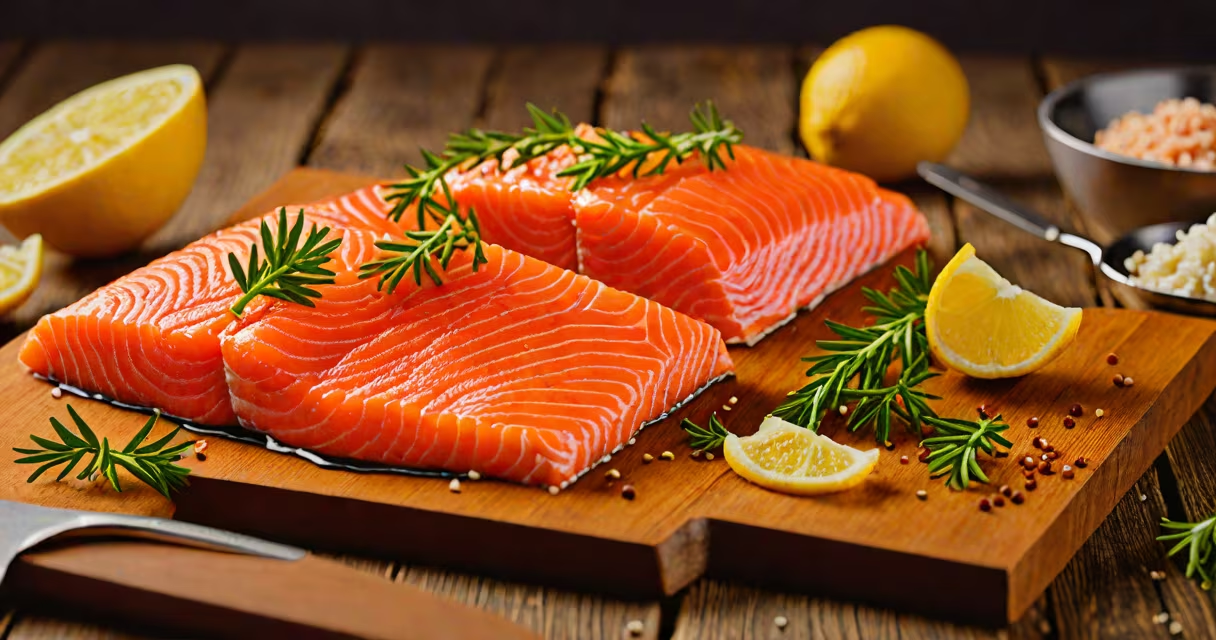
The Bible permits consuming seafood that has both fins and scales, as specified in Leviticus 11 and Deuteronomy 14. Animals without these features-such as shellfish, crustaceans, and mollusks-are explicitly prohibited.
These dietary restrictions originate in the Mosaic Law, given to Israel during the Exodus. The requirement applies only to land animals and aquatic life, not to birds or insects. The command is clear: "Of all the creatures living in the water, you may eat any that have fins and scales" (Leviticus 11:9).
Seafood without fins and scales-including shrimp, crabs, lobsters, clams, oysters, mussels, squid, and octopus-is considered unclean. The prohibition extends beyond taste or hygiene; it reflects ritual purity and symbolic separation between sacred and profane. This distinction remains central in Jewish tradition and influences Christian interpretations.
Under Levitical law, only fish meeting two criteria qualify as clean: they must possess fins and scales. Fins allow movement through water; scales provide protection and are visible on the skin. These traits serve as biological markers for ritual classification.
For example, salmon, tuna, cod, and herring are permitted because they exhibit both features. Conversely, catfish lack scales (they have a slimy, scale-free skin), though they do have fins. Despite their appearance, catfish are not considered clean under this standard. Similarly, eels have fins but no scales and are excluded.
Even within species, consistency matters. A single fish with damaged scales or missing fins may still be eaten if it otherwise meets the criteria. However, if a fish lacks both features entirely, it is unclean regardless of other characteristics.
A comparison of common seafood reveals which are permitted and which are not:
| Seafood Type | Fins? | Scales? | Biblically Clean? |
|---|---|---|---|
| Salmon | Yes | Yes | Yes |
| Tuna | Yes | Yes | Yes |
| Cod | Yes | Yes | Yes |
| Shrimp | Yes | No | No |
| Crab | Yes | No | No |
| Oyster | No | No | No |
| Clam | No | No | No |
| Eel | Yes | No | No |
Some fish, like swordfish and marlin, have scales but lose them as adults. According to traditional interpretation, such fish remain permissible if scales were present at any stage of life. However, this is debated among scholars and religious communities.
Modern aquaculture has introduced farmed fish with altered physical traits. For example, some farmed tilapia are selectively bred to reduce scale density. While this doesn't change their biblical status, it raises questions about authenticity in ritual contexts.
Shellfish are banned not due to health risks or taste, but because they fail the dual criterion of fins and scales. Their anatomy includes no fins and no external scales. Instead, they rely on hard exoskeletons or internal shells for protection.
Leviticus 11:10-12 states: "All creatures that live in the sea or in the rivers and do not have fins and scales are detestable to you." The Hebrew word for "detestable" (to'ebah) implies spiritual uncleanness, not just physical impurity. This distinction reinforces the idea that food laws were part of a larger system of holiness.
Nonetheless, the New Proof reinterprets these rules. In Acts 10:12-15, Peter receives a vision of unclean animals descending from heaven. He is told, "Do not call anything impure that God has made clean." This moment marks a shift in early Christian practice, allowing Gentile believers to eat meat previously forbidden under Mosaic law.
Paul writes in Romans 14:14: "I know and am convinced in the Lord Jesus that nothing is unclean in itself." He emphasizes intention and conscience over ritual observance. As a result, many Christians today consume shellfish without theological concern.
One widespread error is assuming that all seafood is acceptable because the Bible says "you may eat any that have fins and scales." This overlooks the strictness of the condition. A fish with fins but no scales-like the eel-is still forbidden.
Another misconception is equating "kosher" with "biblically clean." While kosher laws derive from the same passages, they include additional requirements. For example, kosher fish must be caught using specific methods and processed under rabbinic supervision. A fish may meet biblical standards but fail kosher certification.
Some people cite Matthew 15:11-"It is not what goes into the mouth that defiles a person, but what comes out of it"-as proof that food laws are obsolete. But this verse addresses ceremonial purity, not dietary ethics. Jesus did not abolish the food laws; he redefined their purpose.
I once attended a Passover Seder where a guest asked whether sushi was permissible. The rabbi explained that raw fish like tuna or salmon could be eaten if properly sourced and prepared. But tempura shrimp or imitation crab rolls were not allowed-even if cooked. The distinction lies in the original creature's classification, not preparation method.
The Bible permits eating seafood with fins and scales, including salmon, tuna, and cod. It prohibits shellfish, crustaceans, and mollusks due to their lack of these features. These rules originate in Leviticus 11 and reflect ancient Israelite views on ritual purity. While early Christians later relaxed these restrictions, the original biblical stance remains clear. Understanding what does the Bible say about eating seafood requires attention to detail, not broad assumptions.