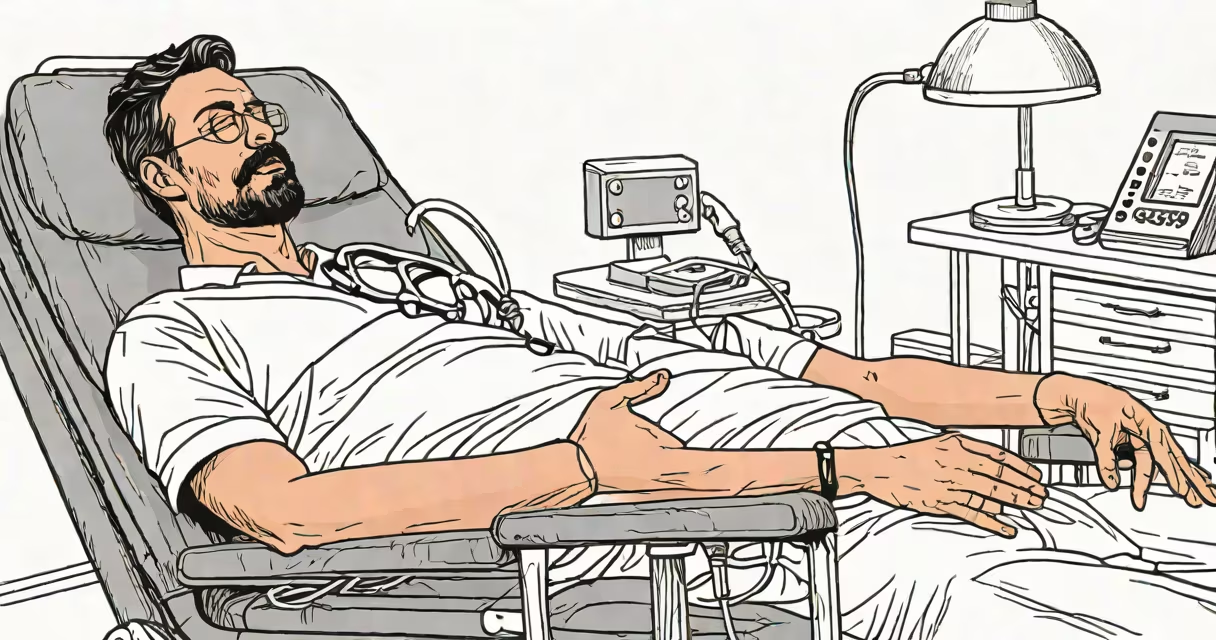
Donating blood involves a brief medical screening, a 10-minute procedure to collect one unit of whole blood (about 470 milliliters), and a short recovery period. The process is safe, free, and helps save lives-each donation can support up to three patients.
Blood centers screen donors for eligibility based on health history, weight, and recent travel. You must weigh at least 110 pounds and be in good health. The American Association of Blood Banks (AABB) confirms that healthy adults can donate every 56 days, with men averaging 3-4 donations annually and women 2-3 due to iron levels.
Before donation, eat a meal rich in iron and drink 16 ounces of water. Bring ID and a list of medications. The process takes about 45 minutes total, including registration, screening, donation, and refreshments. Afterward, rest for 10 minutes and avoid heavy lifting for four hours.
Donation begins with registration. You provide personal details, sign consent forms, and undergo a mini-physical: blood pressure, pulse, temperature, and hemoglobin check. A finger-prick test measures hemoglobin-levels below 12.5 g/dL for women and 13.0 g/dL for men disqualify you temporarily.
If cleared, you lie down in a reclining chair. A sterile needle inserts into your arm's median cubital vein. Blood flows through tubing into a sealed bag. The average collection takes 8-10 minutes. During this time, you may feel a slight pinch or cool sensation.
After donation, the needle is removed. Pressure is applied to the site for five minutes. A bandage is placed. You're given juice and snacks-typically orange juice and a granola bar-to prevent dizziness. The American Red Cross reports that 99% of donors report no serious side effects.
You cannot donate if you've had a recent illness, received a tattoo or piercing within the past 12 months, or traveled to areas with high malaria risk in the last 12 months. The Centers for Disease Control and Prevention (CDC) maintains that these restrictions reduce transmission risks of infectious diseases.
Many assume that blood donation causes weakness. In reality, most people feel fine afterward. The body replaces lost fluid within 24 hours and red cells in 4-6 weeks. Iron stores take longer-up to six months-to replenish fully.
A common error is skipping hydration. Dehydration increases the risk of fainting. Drinking 16 ounces of water before donation lowers this risk by 40%, according to a 2021 study published in Transfusion.
Whole blood donation is the most common. One unit supports multiple patients: one for surgery, one for trauma, and one for cancer treatment. Platelets and plasma are collected separately via apheresis, which takes 60-90 minutes and allows more frequent donations.
| Type | Collection Time | Frequency | Use Cases |
|---|---|---|---|
| Whole blood | 8-10 min | Every 56 days | Surgery, trauma, emergencies |
| Platelets (apheresis) | 60-90 min | Every 28 days (up to 24/year) | Cancer therapy, bleeding disorders |
| Plasma (apheresis) | 60-90 min | Every 28 days (up to 13/year) | Severe burns, clotting disorders |
Donating platelets or plasma requires a separate appointment and specialized equipment. Not all centers offer them. Check availability at local blood banks or through the American Red Cross website.
Rest for 10 minutes post-donation. Avoid driving until you feel steady. Stay hydrated and eat protein-rich meals for the next 24 hours. Iron levels drop slightly-some donors report mild fatigue, but it resolves quickly.
I experienced this firsthand during my first donation. I felt lightheaded at the exit, sat on a bench for five minutes, and drank a sports drink. Within 15 minutes, energy returned. My hemoglobin dropped from 14.2 to 12.8 g/dL-within normal range-and rebounded to 13.9 in two weeks.
Some donors report temporary bruising or soreness at the site. This fades in 3-5 days. If swelling or redness occurs, contact the donor center. Serious complications are extremely rare-fewer than 1 in 10,000 donations result in adverse events, per AABB standards.
People often think they must be a certain blood type to donate. All types are needed. Type O-negative is universal, but AB-positive donors are rare-only 4% of Americans have it. Yet every blood type matters equally.
Another myth: donating blood reduces immunity. There's no evidence linking donation to weakened immune function. The body regenerates blood components rapidly. Studies show no increased infection rates among donors compared to non-donors.
Some believe donation affects pregnancy. It does not. The American College of Obstetricians and Gynecologists states that blood donation is safe during stable pregnancy, provided hemoglobin remains above 11 g/dL.
Check your donor portal for results. Most centers send a confirmation email within 24 hours. If your hemoglobin was low, you'll receive a letter advising against future donations until levels improve.
Return to donate again in 56 days. Track your donations online. Many centers offer rewards-gift cards, event tickets, or recognition plaques-for consistent participation.
Understanding what to do to donate blood ensures a safe, effective contribution. With proper preparation and awareness, anyone eligible can make a lasting impact on patient care.