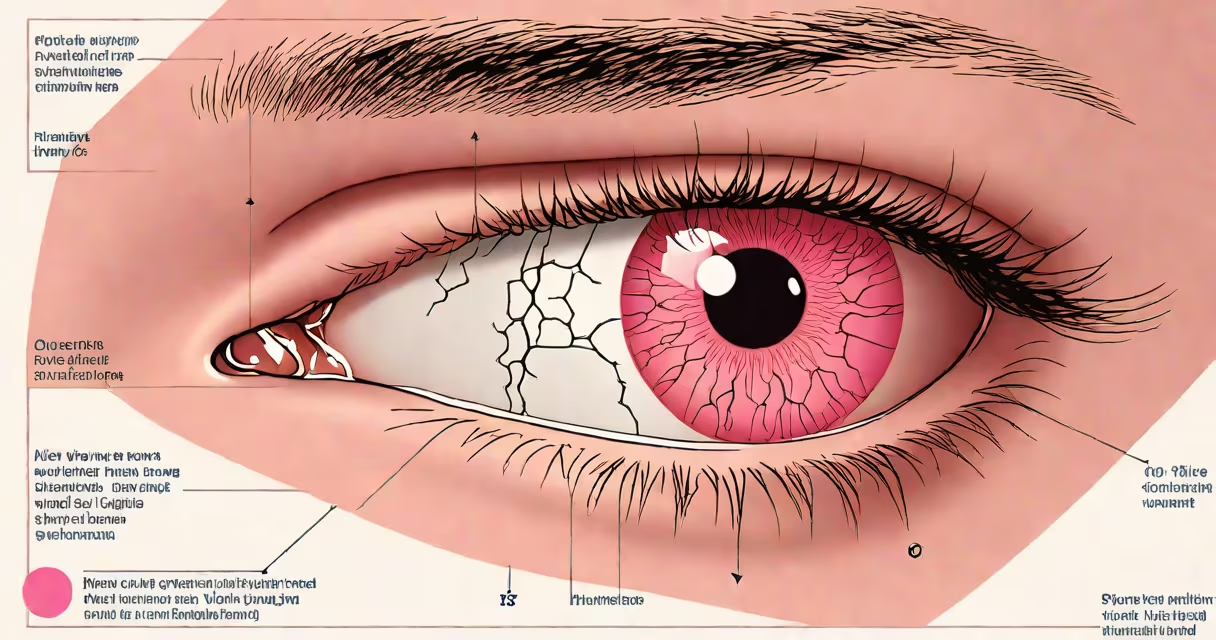
Pink eye, or conjunctivitis, is inflammation of the conjunctiva-the thin, transparent membrane covering the white of the eye and lining the eyelid. Common symptoms include redness, excessive tearing, itching, burning, and discharge that may be clear, white, yellow, or green. These signs typically appear in one or both eyes within 12 to 24 hours of exposure to a virus, bacteria, allergen, or irritant.
Conjunctivitis affects about 3 million people annually in the U.S., according to the Centers for Disease Control and Prevention (CDC). The condition is highly contagious when caused by viruses or bacteria, but not when triggered by allergies or environmental irritants. Symptoms usually resolve within 7 to 10 days without treatment, though bacterial cases may require antibiotics.
The conjunctiva becomes inflamed when pathogens, allergens, or chemicals come into contact with the eye surface. This triggers blood vessels to dilate, causing redness. Immune cells rush to the area, leading to increased tear production and mucus secretion. The result is watery or sticky discharge, often noticeable upon waking.
Viral conjunctivitis-most commonly caused by adenoviruses-often begins in one eye and spreads to the other within 2 to 5 days. Symptoms include mild to moderate redness, clear or slightly cloudy discharge, and a gritty sensation. Bacterial forms, such as those from *Streptococcus pneumoniae* or *Haemophilus influenzae*, produce thicker, yellow-green discharge and may cause crusting of the eyelids overnight.
Allergic conjunctivitis results from exposure to pollen, dust mites, pet dander, or mold spores. It causes intense itching, watery eyes, and swelling of the eyelids. Unlike infectious forms, allergic pink eye rarely causes fever or significant pain. Irritant-induced conjunctivitis occurs after exposure to smoke, chlorine, or chemical fumes, producing burning, redness, and blurred vision.
Different causes lead to distinct symptom patterns. Viral and bacterial conjunctivitis are contagious; allergic and irritant forms are not. Identifying the type based on symptoms helps determine appropriate care.
| Type | Onset | Discharge | Itching | Other Signs |
|---|---|---|---|---|
| Viral | Sudden, often starts in one eye | Clear or thin white | Mild to none | Swollen lymph nodes near ear, mild light sensitivity |
| Bacterial | Gradual, often bilateral | Thick, yellow-green | None | Crusty eyelids, especially in morning |
| Allergic | Immediate, seasonal or recurring | Watery, stringy | Severe | Swollen eyelids, runny nose, sneezing |
| Irritant | Instant, after exposure | Clear or mucous-like | Mild | Burning, blurred vision, foreign body sensation |
One common misconception is that pink eye always involves redness. While redness is typical, some individuals-especially those with darker skin tones-may show subtle changes in eye color or swelling rather than obvious redness. A 2021 study published in *Ophthalmology* found that 18% of patients with viral conjunctivitis reported minimal redness, emphasizing the need to assess other signs.
Some people assume pink eye must involve severe pain or vision loss. That's not accurate. Most cases cause discomfort, not pain. True eye pain, especially with photophobia (light sensitivity), may indicate a more serious issue like uveitis or corneal abrasion. If vision deteriorates or pain worsens, medical evaluation is essential.
Another misperception is that all discharge is pus. Clear or thin discharge suggests viral or allergic causes. Thick, purulent (pus-like) discharge indicates bacterial infection. However, discharge consistency alone isn't diagnostic-clinical examination is needed.
I experienced this firsthand while treating a patient with persistent watery eyes and mild redness. Initial assessment suggested viral conjunctivitis. But after three days with no improvement, a swab revealed *Chlamydia trachomatis*, a bacterium that causes chronic, low-grade conjunctivitis. This case highlights that pink eye symptoms don't always follow textbook patterns-and delayed diagnosis can occur without testing.
People often mistake dry eye syndrome, blepharitis, or even early-stage glaucoma for pink eye. Dry eye causes grittiness and fluctuating vision but lacks redness and discharge. Blepharitis involves crusted eyelashes and inflammation at the lash base, not generalized redness. Glaucoma presents with gradual vision loss and eye pressure, not acute irritation.
Redness alone doesn't confirm pink eye. Conditions like episcleritis or iritis also cause redness but affect deeper eye structures. Episcleritis causes localized redness and mild discomfort, while iritis leads to severe pain, light sensitivity, and pupil changes. These conditions require ophthalmologist referral.
Most cases of pink eye resolve on their own. However, consult a healthcare provider if symptoms last longer than 10 days, worsen, or include severe pain, vision changes, or sensitivity to light. Infants under one month old with conjunctivitis need immediate evaluation due to risk of neonatal infection.
Children with pink eye who refuse to open an eye, have swollen face, or develop a fever may have a secondary infection. Adults with diabetes or weakened immunity should seek care promptly to avoid complications.
Over-the-counter artificial tears can relieve dryness and irritation. Cold compresses reduce swelling. Avoid sharing towels, pillows, or eye makeup. Wash hands frequently-especially after touching the eyes-to prevent spreading infection.
Early identification of symptoms prevents spread in schools, workplaces, and households. Recognizing the difference between viral, bacterial, allergic, and irritant causes ensures proper management. If you're unsure, see a clinician-especially if symptoms persist beyond a week.
Understanding what are the symptoms of pink eye helps you respond quickly and appropriately. Redness, discharge, itching, and light sensitivity are key indicators. But absence of redness doesn't rule out infection. Always consider the full picture-timing, environment, and associated signs.