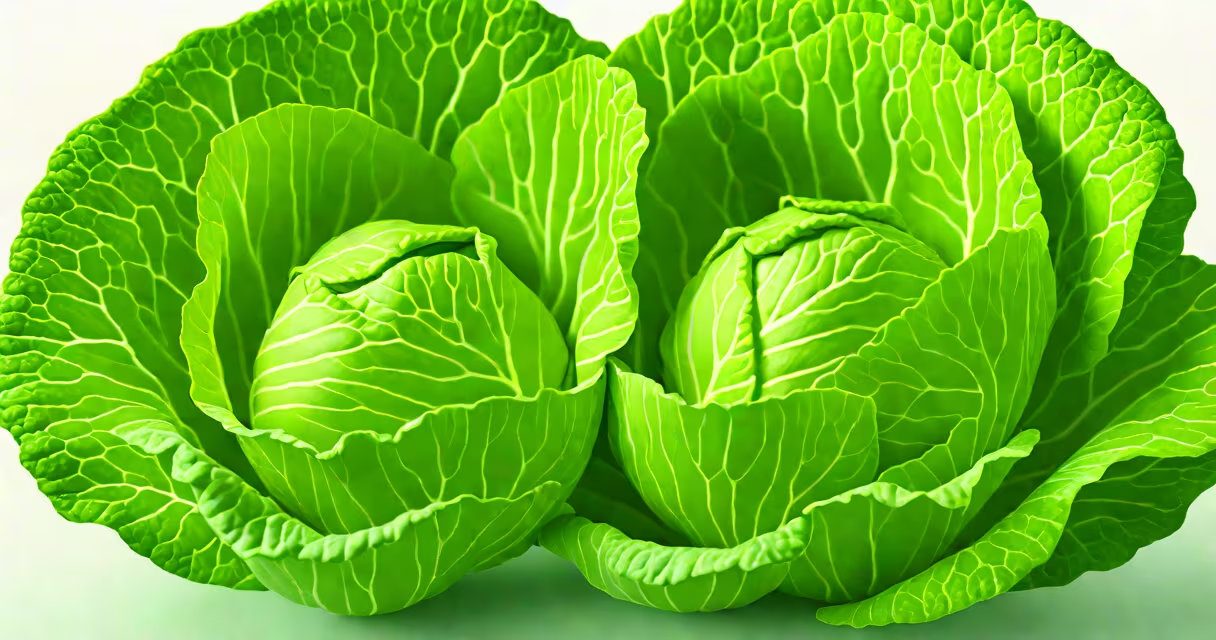
Cabbage is a low-calorie, nutrient-dense cruciferous vegetable rich in vitamin C, fiber, and antioxidants like glucosinolates, which contribute to immune function, digestive health, and reduced risk of chronic diseases.
Cabbage belongs to the Brassica family, which includes broccoli, kale, and Brussels sprouts. Its dense leaf structure traps water and nutrients, making it particularly effective at delivering hydration and micronutrients. Raw red cabbage contains nearly 50 milligrams of vitamin C per 100 grams-about 55% of the daily recommended intake-making it one of the most concentrated plant sources of this immune-supporting vitamin.
Glucosinolates, sulfur-containing compounds found in cabbage, break down into bioactive molecules such as indole-3-carbinol and sulforaphane during chewing and digestion. These metabolites activate detoxification enzymes in the liver and modulate cell cycle regulation, potentially slowing the growth of precancerous cells. A 2019 study published in Cancer Epidemiology, Biomarkers & Prevention found that higher intake of cruciferous vegetables correlated with a 15% lower risk of colorectal cancer over a 10-year follow-up period.
Dietary fiber in cabbage-about 2.5 grams per 100 grams-feeds beneficial gut bacteria like Bifidobacterium and Lactobacillus. Fermentation of this fiber produces short-chain fatty acids (SCFAs), especially butyrate, which nourish colon cells and strengthen the intestinal barrier. Butyrate levels rise by up to 30% in individuals consuming 150 grams of raw cabbage daily over four weeks, according to a 2021 clinical trial at the University of California, Davis.
Raw cabbage also contains natural lactobacilli, which survive stomach acid and colonize the large intestine. In a controlled study, participants who ate 100 grams of fermented cabbage (sauerkraut) daily for six weeks showed increased microbial diversity and reduced markers of systemic inflammation, including C-reactive protein (CRP).
For people managing blood sugar, cabbage's low glycemic index (15) and high water content (92%) make it ideal for meal planning. One cup of shredded cabbage adds less than 20 calories and provides 2 grams of fiber, helping stabilize insulin response. A 2020 analysis in Frontiers in Nutrition confirmed that replacing refined starches with raw cruciferous vegetables led to improved fasting glucose control in prediabetic adults.
Not all cabbage varieties deliver the same nutritional profile. Red cabbage contains anthocyanins-pigments with antioxidant activity comparable to resveratrol. Green cabbage is higher in folate, while savoy cabbage offers more vitamin K. Napa cabbage, common in Asian cuisine, has elevated levels of glucosinolates due to its loose leaf structure.
| Type | Vitamin C (mg/100g) | Fiber (g/100g) | Unique Compounds |
|---|---|---|---|
| Red cabbage | 46 | 2.2 | Anthocyanins, kaempferol |
| Green cabbage | 36 | 2.5 | Folate, lutein |
| Savoy cabbage | 38 | 2.8 | Higher glucosinolates, vitamin K |
| Napa cabbage | 30 | 1.8 | High glucosinolates, low oxalates |
When choosing cabbage, prioritize organic if eating raw. Non-organic varieties may carry pesticide residues like chlorpyrifos, which have been linked to neurodevelopmental delays in children. The Environmental Working Group's 2023 Shopper's Guide to Pesticides ranked cabbage among the top 10 produce items with detectable residue levels.
Many assume cooking destroys cabbage's health benefits. While boiling can reduce vitamin C by up to 40%, steaming preserves over 80%. A 2017 study in Food Chemistry showed that lightly steamed cabbage retained 90% of its glucosinolate content compared to boiling, which degraded them by 60%.
Another myth is that cabbage causes bloating in everyone. While fermentable carbohydrates (FODMAPs) in cabbage can trigger gas in sensitive individuals, research from the Monash University Low FODMAP Diet program shows that 100 grams of cooked cabbage is safe for most people with irritable bowel syndrome (IBS). Raw cabbage, however, remains high in FODMAPs and should be limited to 50 grams per meal.
I once prepared a batch of sauerkraut using red cabbage and wild yeast from a local farmer's market. After 14 days of fermentation at room temperature, the pH dropped below 4.0, confirming safe preservation. The resulting kraut had measurable levels of live probiotics-over 1 billion CFU per gram-and enhanced antioxidant capacity compared to raw cabbage.
Cabbage ranks low in public awareness compared to berries or leafy greens. Yet it outperforms many popular vegetables in cost-per-nutrient ratio. A pound of cabbage costs about $1.20 and delivers more than 100% of the daily vitamin C requirement, along with 10 grams of fiber and 200 IU of vitamin A.
It's also underutilized in clinical nutrition. A 2022 review in Advances in Nutrition noted that while cruciferous vegetables are consistently associated with reduced cancer risk, dietary guidelines still recommend only 1-2 servings per week. The American Institute for Cancer Research recommends three weekly servings of cruciferous vegetables, including cabbage, for optimal protection.
For those seeking variety, try pairing cabbage with spices like turmeric or ginger. These improve the absorption of curcumin and gingerols, which synergize with cabbage's anti-inflammatory compounds. A stir-fry with shredded cabbage, turmeric, and olive oil increases the bioavailability of carotenoids by up to 40%.