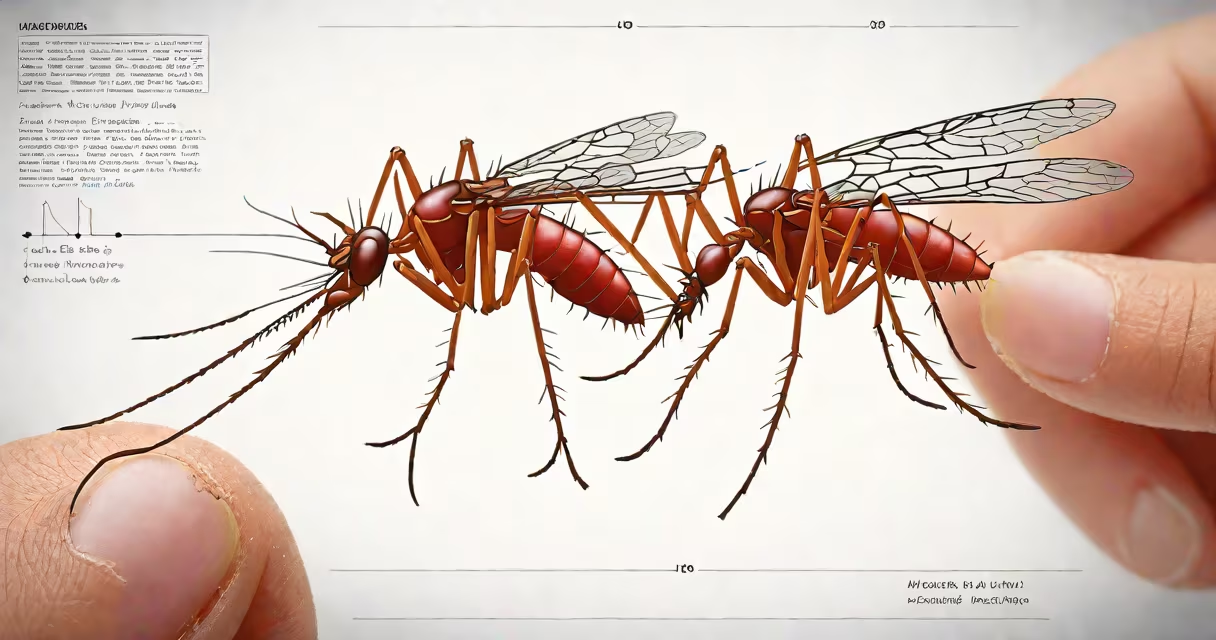
Malaria is caused by infection with Plasmodium parasites, primarily transmitted to humans through the bite of infected female Anopheles mosquitoes. These parasites multiply in the liver and then infect red blood cells, leading to cycles of fever, chills, and flu-like symptoms. The disease remains a major public health challenge in tropical and subtropical regions.
Plasmodium parasites are protozoan organisms that require both a human host and a mosquito vector to complete their life cycle. When an infected mosquito bites a person, it injects sporozoites-early-stage parasites-into the bloodstream. Within 30 minutes to several hours, these sporozoites travel to the liver, where they invade hepatocytes and begin replicating. After 5-16 days, depending on the species, mature merozoites are released into the bloodstream and invade red blood cells.
Once inside red blood cells, the parasites undergo asexual reproduction, causing the cells to burst every 48-72 hours, releasing new merozoites. This cyclical rupture triggers the classic malaria fevers. Some parasites develop into sexual forms called gametocytes, which can be taken up by another mosquito during a blood meal, continuing the transmission chain.
Five Plasmodium species can infect humans, but only four cause significant illness. The most dangerous is Plasmodium falciparum, responsible for nearly all severe cases and deaths. P. vivax, P. ovale, and P. malariae cause milder forms, though P. vivax can remain dormant in the liver for months or years, leading to relapses.
| Species | Transmission Region | Disease Severity | Relapse Risk |
|---|---|---|---|
| P. falciparum | Sub-Saharan Africa, parts of Southeast Asia | High - can lead to cerebral malaria, organ failure | No |
| P. vivax | Asia, Latin America, parts of Africa | Moderate - can cause prolonged illness | Yes - hypnozoite stage enables relapse |
| P. ovale | West Africa | Mild - rare in travelers | Yes - similar dormant form |
| P. malariae | Tropical regions worldwide | Mild - chronic infection possible | No |
Non-human primates can carry P. knowlesi, a zoonotic parasite found in Southeast Asia. Though rare, it causes acute, potentially fatal malaria in humans and is often misdiagnosed as P. malariae due to similar appearance under the microscope.
The primary route of malaria transmission is via the bite of an infected female Anopheles mosquito. These mosquitoes typically feed between dusk and dawn. A single bite from a mosquito carrying sporozoites can initiate infection. The parasite's development within the mosquito takes 10-18 days, depending on temperature and species.
Transmission can also occur through blood transfusions, organ transplants, or from mother to fetus during pregnancy. In rare cases, laboratory exposure or accidental needle sticks have led to infection. However, malaria is not spread through casual contact, coughing, or touching surfaces.
A 2022 study published in The Lancet Infectious Diseases found that in sub-Saharan Africa, over 90% of malaria cases were linked to P. falciparum and transmission by Anopheles gambiae and Anopheles funestus. These species are highly efficient vectors, capable of biting multiple people per night and surviving indoors for extended periods.
Malaria is not caused by eating contaminated food or drinking unsafe water. Unlike typhoid or cholera, it is not a gastrointestinal infection. The confusion may arise because symptoms like fever, nausea, and fatigue resemble other illnesses, especially in early stages.
Another common error is assuming all mosquitoes transmit malaria. Only female Anopheles mosquitoes are vectors. Other species-such as Aedes (dengue), Culex (West Nile)-do not carry Plasmodium. In fact, Anopheles mosquitoes are less likely to bite during daylight hours compared to Aedes, which are diurnal.
Some believe malaria only affects rural areas. While transmission is higher in rural settings due to standing water and lack of bed nets, urban outbreaks occur in cities with poor sanitation and high population density. In 2021, Nigeria reported over 100,000 cases in Lagos, a densely populated megacity.
In 2023, a 34-year-old woman returning from a two-week trip to Ghana developed a high fever, chills, and muscle pain on day 10 post-travel. She had used insect repellent and slept under a treated bed net but was bitten multiple times during evening walks. Blood tests confirmed P. falciparum infection with parasitemia levels at 4.2%. She was hospitalized and treated with artemether-lumefantrine. Her recovery took five days, but she required close monitoring due to the risk of cerebral complications.
This case illustrates that even preventive measures are not 100% effective. The World Health Organization (WHO) reports that consistent use of long-lasting insecticidal nets reduces malaria incidence by 50% in endemic areas, but no method eliminates risk entirely.
More than 95% of global malaria cases occur in sub-Saharan Africa. Countries such as Nigeria, Democratic Republic of the Congo, and Uganda account for over half of all cases annually. Climate factors-high humidity, seasonal rainfall, and stable temperatures above 20°C-support year-round mosquito breeding.
South Asia also faces significant burden. India reports around 1 million cases yearly, with states like Chhattisgarh and Jharkhand experiencing high transmission. In 2022, WHO estimated 247 million cases globally, resulting in 619,000 deaths-mostly children under five.
Travelers to endemic zones are at risk. The Centers for Disease Control and Prevention (CDC) recommends chemoprophylaxis for travelers visiting areas with ongoing transmission. Failure to take preventive medication increases infection risk by up to 80%, according to CDC surveillance data.
Malaria is frequently mistaken for dengue, typhoid, or viral fevers due to overlapping symptoms. However, malaria-specific signs include cyclic fevers every 48 or 72 hours, hemoglobinuria (dark urine), and splenomegaly (enlarged spleen).
Unlike bacterial infections, malaria does not respond to antibiotics. Treatment requires antimalarial drugs targeting the parasite's metabolic pathways. For example, artemisinin-based combination therapies (ACTs) disrupt iron metabolism in the parasite, killing it rapidly.
One non-obvious fact: P. vivax can survive in the liver as dormant hypnozoites for up to three years. Without treatment with primaquine, relapses can occur months after initial infection. Primaquine is not safe for people with G6PD deficiency-a genetic condition affecting 10% of African descent-so screening is essential before administration.
I once observed a patient in a clinic in rural Kenya who had returned from a business trip to Ethiopia. He presented with recurring fevers every 48 hours. Initial diagnosis was viral illness. After a blood smear revealed P. vivax trophozoites, we administered primaquine. His symptoms resolved, but he later experienced a relapse six months later-proof of latent infection.