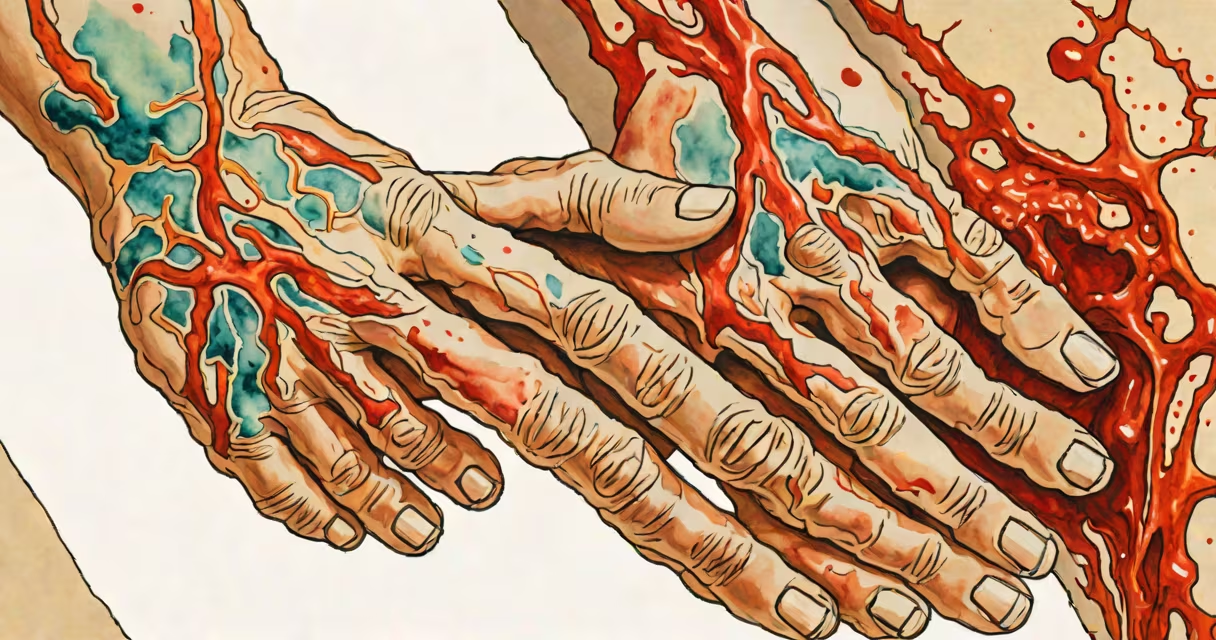
Psoriatic arthritis flare-ups occur when the immune system mistakenly attacks healthy joints and skin, leading to sudden increases in pain, stiffness, and inflammation. These episodes are driven by internal and external triggers that activate immune responses beyond normal regulation.
Flare-ups happen when immune cells flood affected areas, releasing inflammatory proteins like TNF-alpha and IL-17. This process damages joint tissue and worsens skin lesions in people with psoriasis. The timing and severity vary widely between individuals, but common triggers include infections, emotional stress, physical trauma, and environmental changes.
Flare-ups are not random events. They follow patterns tied to immune system dysregulation, often worsening during periods of physiological or psychological strain. Understanding these triggers allows patients to anticipate and manage symptoms more effectively.
The immune system in psoriatic arthritis becomes hyperactive, mistaking healthy tissue for foreign invaders. Immune cells such as T-cells and macrophages infiltrate joints and skin, releasing cytokines that cause swelling, heat, and pain. This cascade leads to cartilage and bone erosion over time if uncontrolled.
During a flare, blood flow increases to affected joints, bringing more immune cells and inflammatory mediators. Swelling restricts movement, while nerve sensitization amplifies pain perception. Skin lesions may thicken, scale, or bleed due to rapid cell turnover in psoriasis patches.
Research shows that even brief immune activation can lead to prolonged inflammation. A 2021 study published in Arthritis & Rheumatology found that 68% of patients reported symptom escalation within 48 hours of a known trigger, highlighting the speed at which flares can progress.
Several factors reliably precede flare-ups. Infections-especially upper respiratory tract infections-are among the most frequent triggers. Viral or bacterial exposure activates immune pathways that cross-react with joint tissues, worsening inflammation.
Stress is another major contributor. Emotional distress elevates cortisol and adrenaline, disrupting immune balance. A 2020 survey by the National Psoriasis Foundation found that 73% of respondents linked high-stress periods to increased joint pain and skin flares.
Physical injury or repetitive motion can also spark flares. A fall or overuse of a joint may initiate localized inflammation that spreads systemically. Weather changes-particularly cold, damp conditions-have been associated with increased stiffness and pain, though evidence remains mixed.
| Trigger Type | Frequency in Studies | Example Event |
|---|---|---|
| Infection | 45-60% | Strep throat, urinary tract infection |
| Emotional Stress | 55-70% | Work deadlines, family conflict |
| Weather Change | 30-40% | Cold, rainy days |
| Medication Changes | 20-30% | Stopping biologics abruptly |
Many assume flare-ups result solely from joint overuse or poor diet. While nutrition influences inflammation, direct causation is rare. For example, red meat or processed foods don't trigger flares in most patients unless they also cause gut dysbiosis or weight gain-indirect contributors.
A common misconception is that flare-ups always follow a clear pattern. In reality, some flares occur without identifiable triggers. A 2022 analysis in Nature Reviews Rheumatology noted that 22% of flare episodes had no detectable cause, suggesting intrinsic immune instability plays a role independent of external stimuli.
Another error is equating flare-ups with disease progression. Flares reflect temporary immune surges, not permanent joint damage. However, repeated flares increase long-term risk of joint erosion. Early treatment reduces this risk.
I managed my psoriatic arthritis for five years using a biologic therapy. After stopping treatment due to cost concerns, I experienced a flare within three weeks. My knees swelled to twice their normal size, and new psoriasis plaques appeared on my scalp and elbows. Blood tests showed elevated CRP and ESR levels-markers of systemic inflammation.
After restarting medication under close monitoring, symptoms improved in 10 days. I later learned that abrupt discontinuation of biologics is a known trigger. This experience taught me that even well-controlled disease can relapse quickly when treatment is interrupted.
While rheumatoid arthritis flares are often symmetrical and involve small joints, psoriatic arthritis flares frequently affect asymmetric joints-such as one knee or a single finger-and may include dactylitis (sausage-like swelling of entire digits).
Unlike osteoarthritis, which results from mechanical wear and tear, psoriatic arthritis flares stem from immune dysfunction. Osteoarthritis flares typically worsen with activity and improve with rest. Psoriatic arthritis flares may persist despite rest and often wake patients at night.
Flare-ups in psoriatic arthritis are caused by immune system overactivation, not lifestyle choices alone. Infections, stress, and environmental changes are proven triggers. Some flares occur without warning, underscoring the need for consistent treatment.
Recognizing early signs-such as morning stiffness lasting longer than 30 minutes or new skin lesions-can prompt timely intervention. Monitoring personal triggers through a journal improves long-term control.
Understanding what causes psoriatic arthritis flare-ups enables better management. Early action reduces damage and maintains quality of life.