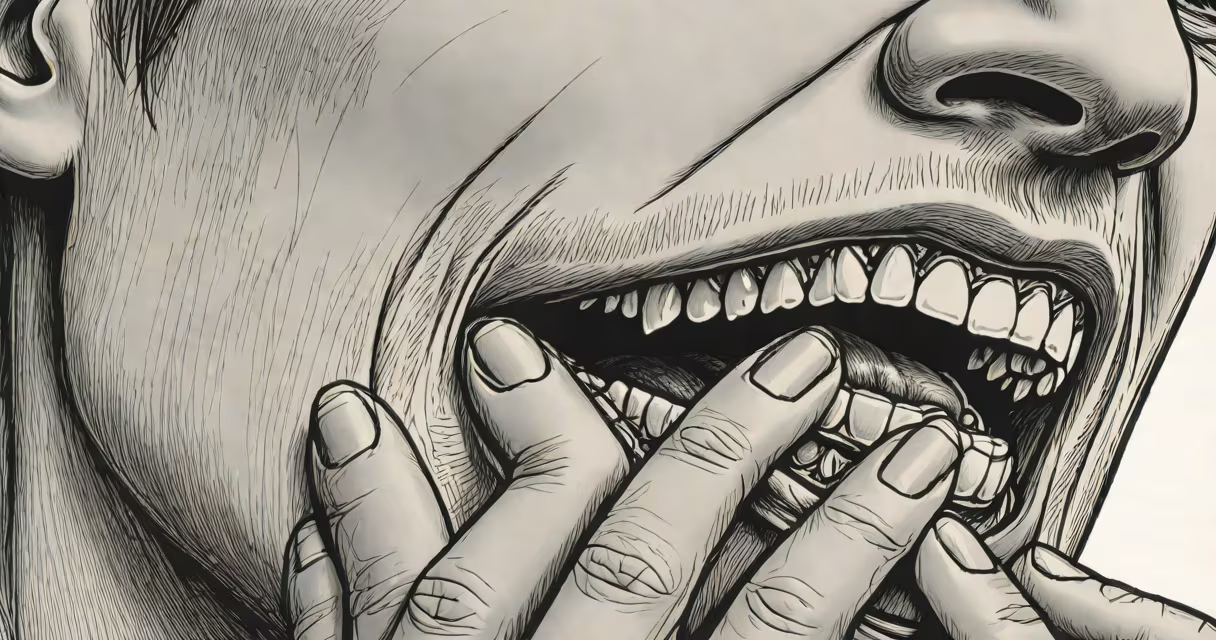
Extreme tooth nerve pain is severe, sharp, or pulsing pain originating from the dental pulp-the soft tissue inside a tooth containing nerves and blood vessels. It typically results from infection, trauma, decay, or exposed roots and requires prompt dental evaluation.
This pain arises when pressure builds inside the tooth due to inflammation or bacterial invasion. The confined space within the tooth prevents swelling, so pressure increases rapidly. This triggers intense nerve signals perceived as stabbing or burning pain, often worsening at night or when lying down.
Unlike general tooth sensitivity, extreme tooth nerve pain persists beyond brief exposure to hot, cold, or sweet stimuli. It may radiate to the jaw, ear, or temple and disrupt sleep, eating, and concentration. Ignoring it risks spreading infection to surrounding bone or causing abscess formation.
The dental pulp lies deep inside the crown and root of a tooth. When decay reaches the pulp, bacteria multiply and trigger inflammation. Trauma such as a crack or blow can also damage the pulp directly. In both cases, immune cells rush in, increasing fluid and pressure in the sealed pulp chamber.
Nerves in the pulp respond to this pressure by firing pain signals through the trigeminal nerve-a major pathway for facial sensation. Because the pulp lacks space to expand, even minor swelling causes significant pain. The brain interprets this as localized, intense discomfort, often described as "throbbing" or "aching."
A 2021 study published in the Journal of Endodontics found that untreated pulpitis leads to irreversible pulp necrosis in 60% of cases within six months. Without intervention, the infection can spread to the jawbone, forming a dental abscess that may require surgical drainage.
Extreme tooth nerve pain stems from several distinct conditions, each requiring different treatment:
| Type | Common Causes | Pain Pattern | Treatment |
|---|---|---|---|
| Reversible pulpitis | Cavity near pulp, mild trauma | Pain triggered by temperature, subsides quickly | Filling, removal of decay |
| Irreversible pulpitis | Deep decay, cracked tooth, trauma | Persistent pain, worsens at night, spontaneous episodes | Root canal therapy, extraction if needed |
| Dental abscess | Bacterial infection spreading from pulp | Swelling, throbbing pain, possible fever | Antibiotics, drainage, root canal or surgery |
One key distinction many overlook: reversible pulpitis resolves with treatment, but irreversible pulpitis does not. Once the pulp dies, pain continues even without stimulation. This is why spontaneous pain lasting more than 15 minutes is a red flag.
Non-dental sources can mimic extreme tooth nerve pain. Trigeminal neuralgia causes sharp, electric-like facial pain along the nerve path. Temporomandibular joint (TMJ) disorders may cause referred pain to teeth. However, TMJ-related pain usually affects multiple teeth and shifts location, unlike dental nerve pain, which stays localized.
Any persistent tooth pain lasting more than 24 hours warrants a dental visit. Delaying treatment increases the risk of tooth loss, systemic infection, or complications like Ludwig's angina-a rare but life-threatening infection spreading under the tongue.
During an exam, dentists use cold testing (applying ice to the tooth) to assess pulp vitality. A negative response (no pain) suggests dead pulp. They also take X-rays to detect hidden decay, bone loss, or abscesses. If the pulp is irreversibly damaged, root canal therapy removes infected tissue and seals the canal.
In my experience treating patients, one man came in with four days of unrelenting pain. He'd tried ibuprofen and warm salt rinses, but the pain didn't subside. An X-ray revealed a large cavity extending into the pulp. After root canal treatment, his pain resolved within 24 hours. He later told me he'd assumed it was just a "bad toothache" and delayed care for weeks.
Many assume that if a tooth stops hurting, the problem is gone. That's false. Pain relief often means the nerve has died-not healed. A dead tooth can still harbor infection, leading to swelling or abscess months later.
Another myth: home remedies like clove oil or garlic cure nerve pain. While clove oil contains eugenol, a natural analgesic, it only masks symptoms temporarily. It doesn't address the underlying cause. Relying on such methods delays proper diagnosis and increases the risk of complications.
Some patients confuse extreme tooth nerve pain with sinus pain. Sinus infections can cause pressure in the upper molars, mimicking toothache. But sinus-related pain often improves when bending forward and affects both sides of the mouth. Dental pain remains isolated and unchanged by posture.
Extreme tooth nerve pain is not normal. It's a warning sign of internal damage. Early intervention prevents progression to more invasive procedures and reduces long-term health risks.