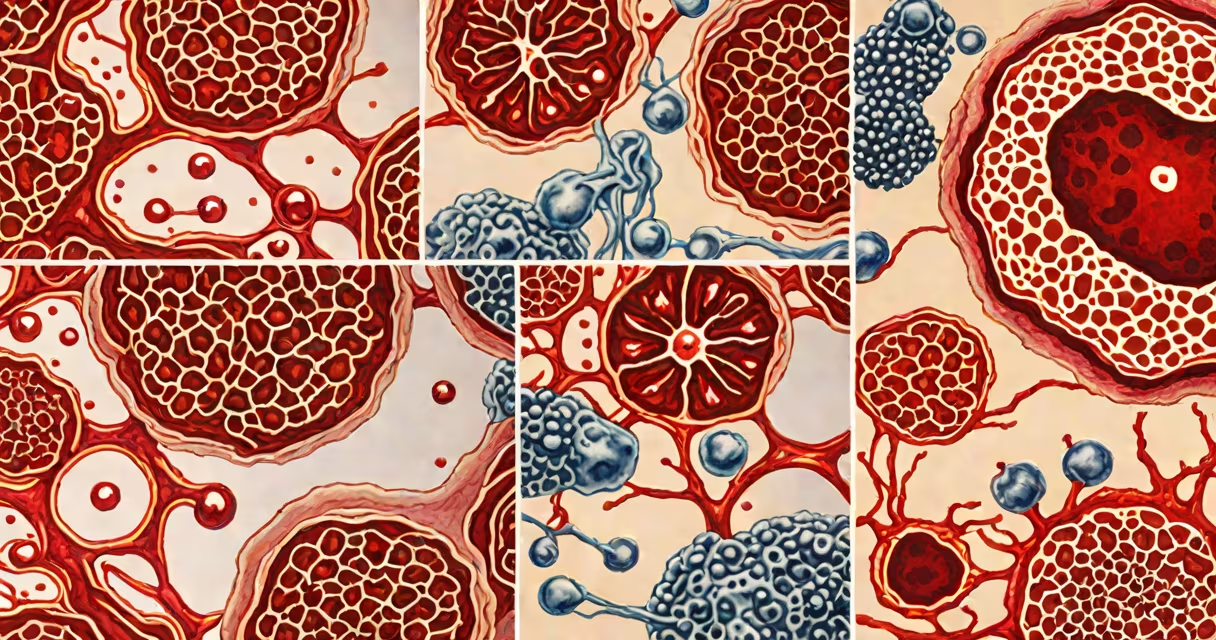
Inflammation is the body's protective response to injury or irritation, characterized by redness, heat, swelling, and pain. Infection occurs when harmful microorganisms such as bacteria, viruses, or fungi invade tissues and multiply. The two are related but distinct biological processes.
Inflammation is a physiological reaction triggered by damage to cells or tissues. It begins when immune cells detect signals from injured cells-such as damaged proteins or leaked cellular contents-and release chemical messengers like cytokines and histamine. These substances increase blood flow to the area, attract white blood cells, and activate defense mechanisms. This process is essential for healing, even when no pathogen is involved.
Infection, by contrast, results from the presence of live microbes. These organisms breach physical barriers like skin or mucous membranes and begin replicating inside host cells or tissues. They may produce toxins, damage cells directly, or trigger excessive immune responses. Infections require specific antimicrobial treatments because they involve foreign agents actively causing harm.
The inflammatory response follows a predictable sequence. When tissue is damaged-by trauma, burns, or autoimmune activity-resident immune cells such as mast cells release histamine and prostaglandins. Blood vessels dilate, increasing permeability. Fluid, proteins, and white blood cells like neutrophils flood the site. This causes swelling and warmth. Within hours, macrophages arrive to clear debris and initiate repair.
Infection involves microbial invasion. For example, a cut contaminated with *Staphylococcus aureus* allows bacteria to enter the dermis. Once inside, they replicate rapidly, releasing enzymes that break down collagen and evade phagocytosis. The immune system detects bacterial components like lipopolysaccharide (LPS), triggering stronger inflammatory signals. Without antibiotics, the infection can spread to deeper layers or enter the bloodstream.
A single event can trigger both. A puncture wound leads to tissue damage (causing inflammation) and introduces bacteria (causing infection). Distinguishing which process dominates guides treatment. Treating inflammation alone won't eliminate an active infection.
There are two main categories of inflammation: acute and chronic. Acute inflammation lasts minutes to days and is beneficial. It resolves quickly when the threat is removed. Chronic inflammation persists for weeks to years and contributes to diseases like rheumatoid arthritis, atherosclerosis, and type 2 diabetes. It results from ongoing stimulation-such as persistent pathogens, autoimmunity, or environmental irritants like cigarette smoke.
| Type | Duration | Common Causes | Outcome |
|---|---|---|---|
| Acute inflammation | Minutes to days | Trauma, burns, allergens, initial infection | Healing, resolution |
| Chronic inflammation | Weeks to years | Persistent infections, autoimmune disorders, obesity, smoking | Tissue destruction, fibrosis, increased cancer risk |
Infection types depend on the invading organism. Bacterial infections respond to antibiotics; viral infections require antivirals or supportive care. Fungal infections may need antifungals. Parasitic infections require specific agents like metronidazole or ivermectin. Misdiagnosing infection type delays effective treatment.
Many people use "infection" and "inflammation" interchangeably. A patient with a swollen, painful knee might say, "I have an infection," when the cause is osteoarthritis-a condition driven by chronic inflammation, not microbes. This misunderstanding leads to inappropriate antibiotic use, contributing to drug resistance.
Medical literature confirms the distinction. According to the National Institutes of Health (NIH), inflammation is a normal part of the immune response, while infection requires the presence of replicating pathogens. The American Society for Microbiology notes that antibiotics treat infections but do not reduce inflammation unless the underlying infection is cleared.
One non-obvious fact: inflammation can occur without infection. A burn causes inflammation through thermal damage alone. Similarly, gout results from uric acid crystals depositing in joints, triggering intense inflammation without any infectious agent. Conversely, an infection can exist without obvious signs of inflammation-especially in immunocompromised individuals, where fever, redness, or swelling may be absent.
Consider a patient with a painful lump on their arm. Physical exam reveals redness, warmth, and fluctuance-indicating pus collection. Lab tests show elevated white blood cell count and C-reactive protein (CRP), markers of systemic inflammation. Ultrasound confirms a fluid-filled cavity.
This case illustrates both processes. The initial injury caused tissue damage, leading to acute inflammation. Subsequent bacterial colonization (likely *Staphylococcus aureus*) led to infection. Pus formation results from neutrophil accumulation fighting the bacteria. Treatment includes incision and drainage (to remove infected material) and oral antibiotics (to eradicate the pathogen).
If only anti-inflammatory drugs were given-like ibuprofen-the abscess would persist. The infection would continue spreading. Antibiotics are necessary because the root cause is microbial replication, not just tissue irritation.
Some believe all swelling is due to infection. That's false. Swelling from a sprained ankle stems from inflammation, not microbes. Applying antibiotics to a sprain offers no benefit and increases resistance risk.
Others assume inflammation always indicates infection. But chronic inflammation underlies conditions like Crohn's disease, where the immune system attacks intestinal tissue despite no detectable pathogen. Diagnosis relies on imaging, biopsy, and absence of culture-positive microbes.
Another error: thinking that treating symptoms like fever or pain eliminates the problem. Reducing fever with acetaminophen lowers discomfort but doesn't stop a bacterial infection from progressing. Effective treatment targets the cause-antibiotics for bacterial infections, antivirals for viral ones.
I once observed a child with a high fever and lethargy. Initial diagnosis was "viral infection." After 48 hours with no improvement, a lumbar puncture revealed bacterial meningitis. The child had both inflammation (from brain swelling) and infection (from *Neisseria meningitidis*). Delayed antibiotic therapy led to seizures and hearing loss. Early recognition of infection versus inflammation saved lives.
Inflammation is a defensive mechanism. Infection is an invasion. One is a response; the other is a cause. Confusing them leads to incorrect diagnoses and ineffective treatment.
When evaluating symptoms, ask: Is there evidence of a pathogen? Cultures, PCR testing, or imaging can confirm infection. Elevated CRP or erythrocyte sedimentation rate (ESR) indicate inflammation but don't prove infection. Distinguishing between the two ensures proper use of antibiotics and avoids unnecessary side effects.
Understanding the difference between inflammation and infection improves clinical outcomes. It prevents misuse of medications and supports targeted interventions. Always consider both processes independently, especially when symptoms overlap.