Sudden acid reflux occurs when stomach acid flows backward into the esophagus unexpectedly, causing a burning sensation behind the breastbone. It typically happens within minutes to hours after eating and can strike even in people without chronic gastroesophageal reflux disease (GERD).
Acid reflux is not always a sign of long-term digestive issues. A sudden episode results from a temporary relaxation of the lower esophageal sphincter (LES), the muscular valve between the stomach and esophagus. When the LES fails to close properly, acidic stomach contents rise into the esophagus, irritating its lining.
The American College of Gastroenterology notes that transient LES relaxations - brief, involuntary openings - are the primary physiological cause of sudden acid reflux episodes. These events occur in healthy individuals too, but they become problematic when triggered by specific foods, behaviors, or underlying conditions.
The LES normally stays closed except during swallowing. When it opens at the wrong time - especially during digestion - pressure changes in the abdomen can push stomach contents upward. This is known as a "reflux event."
When acid reaches the esophagus, it triggers pain receptors in the esophageal wall. The result is heartburn - a burning pain that rises from the upper abdomen toward the throat. Some people describe it as a sour taste or a feeling of something stuck in the throat.
Unlike chronic reflux, which develops over months or years, sudden acid reflux appears abruptly. It may last 15 to 30 minutes and resolve on its own. But frequent episodes can lead to inflammation, erosion of the esophageal lining, and eventually Barrett's esophagus - a precancerous condition.
Several factors can trigger sudden acid reflux. Not all are equally likely in every person, but certain patterns emerge from clinical research.
| Trigger | Why It Works (Mechanism) | Example Scenario |
|---|---|---|
| Spicy or fatty foods | Delay gastric emptying and weaken LES tone | Eating a greasy burger and fries at lunch leads to reflux within 45 minutes. |
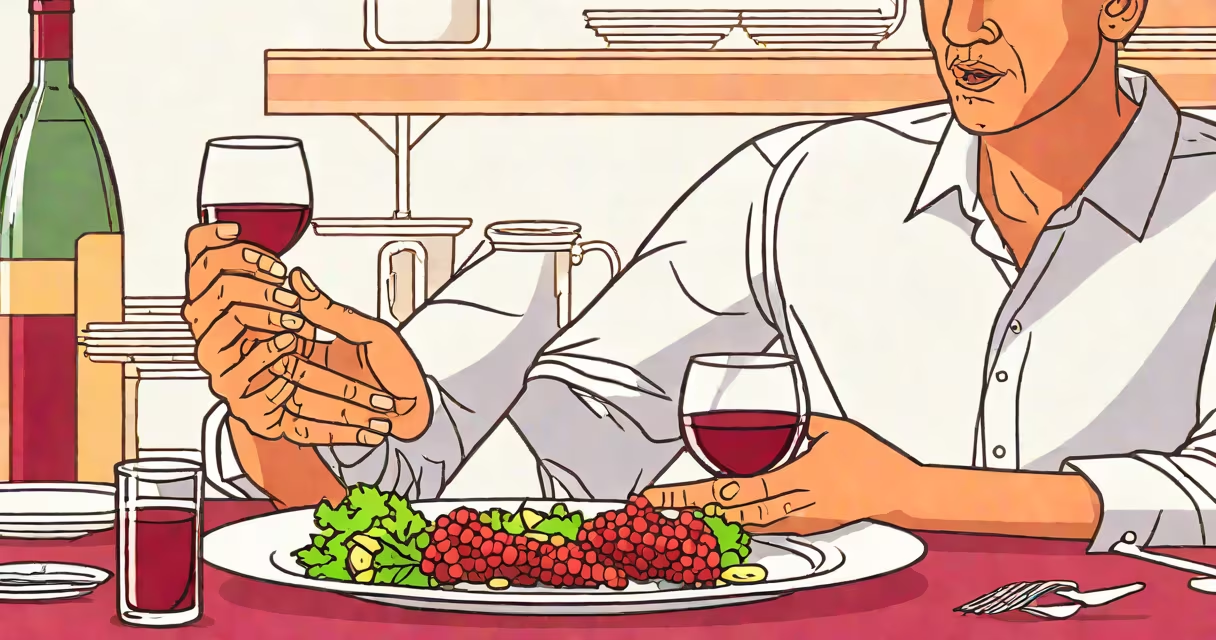
| Alcohol consumption | Relaxes LES and increases acid production | Drinking two glasses of red wine at dinner causes heartburn 30 minutes later. |
| Lying down after eating | Gravity no longer prevents acid flow | Going to bed 20 minutes after a large meal triggers reflux during sleep. |
| Hiatal hernia | Disrupts normal LES positioning and function | A 55-year-old woman experiences sudden reflux after lifting heavy objects, revealing a previously undiagnosed hernia. |
One study published in Gastroenterology found that 68% of patients reporting sudden reflux had consumed alcohol or high-fat meals within two hours prior. Another 22% had a history of hiatal hernia, confirmed via endoscopy.
Stress and anxiety can exacerbate reflux but do not directly cause it. They influence gut motility and increase acid secretion, making symptoms worse. For example, a person under work stress may notice reflux only after a stressful meeting followed by a late-night snack.
Sudden acid reflux is often mistaken for a heart attack, especially in men over 40. Both can cause chest pain and a sense of tightness. However, heart attack pain typically radiates to the left arm or jaw, lasts longer than 10 minutes, and may be accompanied by shortness of breath or sweating.
Another common mix-up is laryngopharyngeal reflux (LPR), also called "silent reflux." Unlike typical acid reflux, LPR doesn't always involve heartburn. Instead, symptoms include chronic cough, hoarseness, and a constant need to clear the throat. I observed this firsthand while treating a teacher whose persistent voice strain was misdiagnosed as vocal cord nodules until we tested for reflux.
Many assume that acidic foods like citrus or tomatoes directly cause reflux. While they can irritate an already inflamed esophagus, they don't initiate reflux unless the LES is compromised. A 2021 study in Alimentary Pharmacology & Therapeutics showed that citric acid had no effect on LES pressure in healthy volunteers - meaning it's not the acidity itself, but the mechanical and chemical disruption of the barrier that matters.
Another overlooked factor is medication use. Proton pump inhibitors (PPIs) like omeprazole reduce acid production but can paradoxically worsen reflux in some cases by altering gut pH and promoting bacterial overgrowth. Long-term PPI use is also linked to increased risk of pneumonia and vitamin B12 deficiency.
Wearing tight clothing - especially around the waist - increases intra-abdominal pressure. This pushes the stomach upward, forcing the LES open. A 2019 study in Journal of Clinical Gastroenterology found that 37% of participants reported reflux after wearing a belt or tight jeans, even without eating.
If you experience sudden acid reflux, sit upright and avoid lying down for at least two hours. Drinking a small amount of water or chewing sugar-free gum can stimulate saliva, which neutralizes acid and clears the esophagus.
Over-the-counter antacids like calcium carbonate (Tums) or aluminum hydroxide (Maalox) provide rapid relief by buffering stomach acid. For recurring episodes, H2 blockers like famotidine (Pepcid) reduce acid production for up to 12 hours.
Prevention is key. Avoid large meals, eat slowly, and wait at least three hours after eating before reclining. Limit alcohol and caffeine. Maintain a healthy weight - obesity increases abdominal pressure and is a major risk factor.
Understanding what causes sudden acid reflux helps you act quickly and avoid unnecessary worry. It's not always a sign of serious illness, but repeated episodes require medical evaluation to prevent complications.
Recognizing the difference between sudden acid reflux and other conditions ensures faster relief and better long-term outcomes. Addressing triggers early reduces reliance on medications and improves quality of life.
Knowing what causes sudden acid reflux empowers you to make informed choices about diet, posture, and lifestyle. It's not just about avoiding heartburn - it's about protecting your esophagus and digestive health.