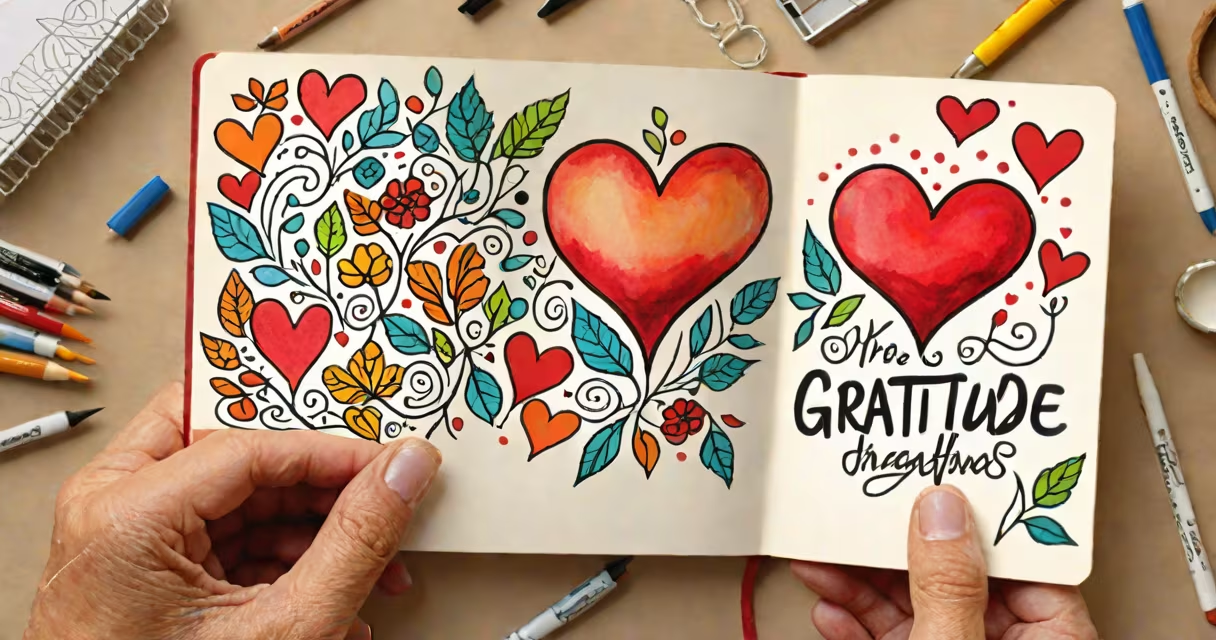
Giving thanks means consciously recognizing and appreciating positive experiences, people, or circumstances, often through expression or reflection. It's not just saying "thank you" for a gift-it's a deliberate act of acknowledging value, benefit, or goodness in one's life.
The concept dates back to ancient civilizations. The Romans celebrated *Lupercalia* with rituals of gratitude toward deities. In 16th-century England, harvest festivals included communal feasting and prayers of thanks. Today, giving thanks is both a personal habit and a cultural ritual, practiced in religious services, family gatherings, and daily journaling.
Psychological research confirms that regular gratitude practices improve mood, reduce stress, and increase resilience. A 2003 study by Robert Emmons and Michael McCullough found participants who wrote down five things they were grateful for each week reported higher levels of optimism and life satisfaction compared to those who focused on hassles or neutral events.
Giving thanks activates neural pathways linked to reward and social bonding. When someone expresses appreciation, the brain releases dopamine and oxytocin-chemicals associated with pleasure and connection. This creates a feedback loop: the more you give thanks, the more likely you are to notice good things, which reinforces the behavior.
It's not passive. Giving thanks requires attention. You must pause, reflect, and choose to focus on something positive-even if it's small. For example, thanking a colleague for sending a clear email after a long meeting isn't about the task-it's about noticing effort and clarity in communication.
Studies show that writing down three things you're grateful for each day for just two weeks leads to measurable improvements in sleep quality and reduced depressive symptoms. The effect is stronger when the entries are specific: "I'm thankful my neighbor brought me soup when I was sick" beats "I'm thankful for friends."
People express thanks in different ways. Some do it verbally, others through actions or written notes. The form matters less than consistency and authenticity.
| Type | Form | Best For |
|---|---|---|
| Verbal | Saying "thank you" aloud or in conversation | Immediate moments, interpersonal connections |
| Written | Letters, journals, cards | Deeper reflection, lasting impact |
| Behavioral | Helping someone, doing a favor | Showing care through action |
| Ritualistic | Thanksgiving meals, holiday prayers | Cultural continuity, group cohesion |
One non-obvious fact: expressing thanks doesn't require receiving something in return. Gratitude is not transactional. Saying "thank you" after a meal isn't a trade-it's recognition of shared value. The act itself builds trust and mutual respect, even when no exchange occurs.
Many people equate giving thanks with positivity bias-the idea that you must always feel happy or overlook problems. That's incorrect. Gratitude is not denial. It's awareness of good alongside hardship.
For example, someone recovering from surgery may still say "I'm thankful for the nurse who stayed late to check on me," even while feeling pain. The gratitude isn't about ignoring suffering-it's about naming what sustains you during it.
Another misconception: giving thanks is only for holidays. While Thanksgiving in the U.S. is a major annual event, research shows consistent daily practice yields greater benefits than seasonal rituals. A 2015 study published in *Journal of Positive Psychology* found that people who practiced gratitude year-round had lower cortisol levels (a stress hormone) than those who only did it during holidays.
Consider Maria, a teacher in Portland. She began her mornings by writing three things she was grateful for. On Monday, she listed: "The sun came through the window," "My student smiled after I explained fractions," and "I had time to drink tea before class."
After six weeks, she noticed changes: fewer negative thoughts during staff meetings, better sleep, and more patience with students. Her journal wasn't filled with grand achievements-it was full of small, meaningful moments. She didn't expect immediate results. But over time, her mindset shifted. She wasn't just reacting to life-she was noticing it.
This mirrors findings from the University of California, Davis, where researchers tracked participants using gratitude journals. After eight weeks, 70% reported improved emotional regulation, and 60% said their relationships felt stronger.
Giving thanks differs from obligation, politeness, or performance. Saying "thank you" out of duty because someone expects it isn't the same as internalizing appreciation. True gratitude involves presence and sincerity.
I once observed a high school student write a thank-you note to a substitute teacher who'd stayed late to help him finish a project. He didn't have to-he was just being kind. But he paused, looked at the teacher's face, and said, "I really appreciate you staying." The teacher's eyes welled up. That moment wasn't about protocol. It was about seeing another person's effort and honoring it.
Gratitude also isn't limited to people. You can give thanks to nature, to a pet, or even to a quiet morning. The key is intention-not form.
Giving thanks means actively recognizing value in your life, whether big or small. It's a practice, not a feeling. It's not about pretending everything is perfect. It's about noticing what's good-even amid difficulty.
Research from Harvard Medical School supports this: gratitude reduces anxiety and increases empathy. It's not magic-it's neuroscience. When you name something positive, your brain learns to scan for more of it.