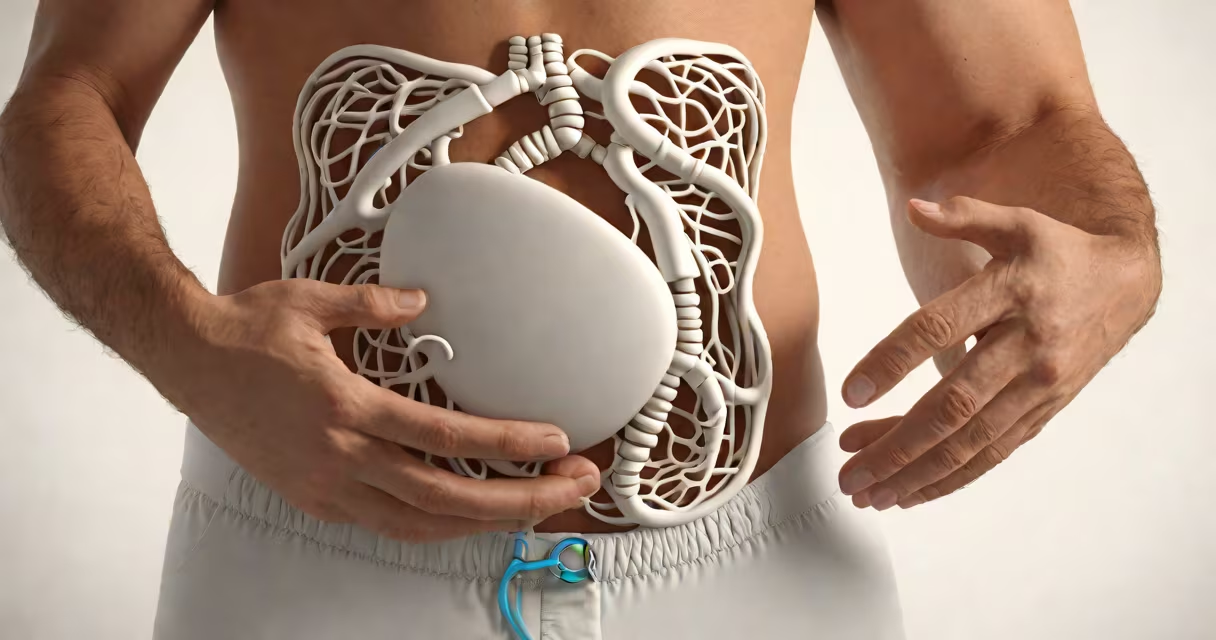
Having the runs means experiencing sudden, frequent episodes of loose or watery stools, typically lasting less than 14 days. It results from rapid intestinal contractions that reduce water absorption, leading to unformed bowel movements. This condition is medically known as acute diarrhea.
Diarrhea occurs when the intestines fail to absorb enough fluid from digested food. The small intestine normally absorbs most nutrients and water, but when irritated or inflamed, it speeds up waste passage. This reduces contact time, leaving excess fluid in stool. The result is a loose, urgent bowel movement that may happen multiple times daily.
Common triggers include viral infections like norovirus or rotavirus, bacterial contamination from undercooked meat or contaminated water, food intolerances such as lactose intolerance, and side effects from antibiotics. Stress and certain medications can also disrupt gut function. The body uses diarrhea as a defense mechanism to expel harmful substances quickly.
The digestive system relies on coordinated muscle contractions and fluid regulation. When pathogens enter the gut, they release toxins that stimulate nerve endings in the intestinal lining. These signals trigger increased secretion of fluids and mucus while accelerating peristalsis-the wave-like motion that moves contents through the intestines.
This dual action causes both excess fluid and faster transit. As a result, stool forms too quickly to absorb water properly. A normal bowel movement takes about 12 hours to pass through the colon. With the runs, that process can take under 6 hours, leaving stool soft or liquid.
For example, a person who eats contaminated chicken salad may develop symptoms within 6 to 24 hours. The bacteria *Salmonella* produce a toxin that alters chloride ion transport in intestinal cells, causing water to flood into the lumen. Within 12 hours, the individual experiences cramps, urgency, and three or more loose stools per day.
Diarrhea falls into three main categories based on cause:
| Type | Primary Cause | Duration | Common Examples |
|---|---|---|---|
| Acute | Infections (viral, bacterial) | Less than 14 days | Norovirus, *E. coli*, traveler's diarrhea |
| Chronic | Underlying conditions | More than 4 weeks | Irritable bowel syndrome (IBS), Crohn's disease |
| Secretory | Abnormal fluid secretion | Variable | Laxatives, bile acid malabsorption |
Acute diarrhea accounts for over 90% of cases in adults and children. According to the CDC, norovirus causes approximately 21 million cases annually in the U.S., making it the most common cause of acute gastroenteritis. Rotavirus remains a major cause in young children, responsible for nearly 50,000 hospitalizations each year despite vaccination programs.
Food intolerances are another frequent source. Lactose intolerance affects about 30 million Americans. When undigested lactose reaches the colon, gut bacteria ferment it, producing gas and drawing water into the bowel via osmosis. This leads to bloating, cramping, and watery stools within 30 minutes to 2 hours after consumption.
Many people assume the runs are always temporary and harmless. But persistent or severe diarrhea can signal serious health issues. Blood in stool, fever above 101.3°F (38.5°C), or dehydration signs like dry mouth, dizziness, or reduced urination require medical attention.
Dehydration risk increases rapidly in infants, older adults, and those with chronic illness. The World Health Organization reports that diarrhea kills over 1.5 million children under five annually, mostly due to untreated dehydration. Oral rehydration solutions (ORS) containing glucose and electrolytes are proven to reduce mortality by 93% in low-resource settings.
One misconception is that diarrhea must be treated with anti-diarrheal drugs like loperamide. However, these can trap pathogens in the gut during infectious cases. The American Gastroenterological Association advises against using antidiarrheals in suspected bacterial or parasitic infections because they may prolong illness or increase complications like toxic megacolon.
During a weekend hiking trip, a group of five friends ate grilled salmon from a roadside vendor. By dinner, two reported cramps and loose stools. By midnight, one had six episodes of watery bowel movements, nausea, and a temperature of 100.8°F (38.2°C).
They were advised to stay hydrated with clear fluids and avoid dairy and fiber. After 36 hours, symptoms resolved. Lab tests later confirmed *Vibrio parahaemolyticus*, a bacterium found in raw or undercooked seafood. This strain causes watery diarrhea in 80% of infected individuals, usually resolving within 3 days without antibiotics.
This case illustrates how quickly acute diarrhea can develop and how hygiene matters. The CDC estimates that 1 in 6 Americans gets foodborne illness each year, with 128,000 hospitalizations and 3,000 deaths annually.
Most cases resolve within 2 to 4 days with rest and hydration. Focus on replacing lost fluids and electrolytes. Drink oral rehydration solutions, broths, or diluted sports drinks. Avoid caffeine, alcohol, and sugary beverages-they can worsen fluid loss.
Stick to bland foods like bananas, rice, applesauce, and toast (BRAT diet) until symptoms ease. Avoid fatty, spicy, or high-fiber meals. Resume normal eating gradually as bowel movements normalize.
If symptoms last longer than 48 hours, include blood, fever, or signs of dehydration, seek care. Antibiotics are not recommended for viral diarrhea and may worsen outcomes in some bacterial cases. For travelers, prophylactic use of bismuth subsalicylate (Pepto-Bismol) reduces risk of traveler's diarrhea by 50%, according to a 2019 Cochrane review.
Understanding what it means to have the runs helps distinguish normal recovery from danger signs. Recognizing early warning cues improves outcomes and prevents unnecessary ER visits.