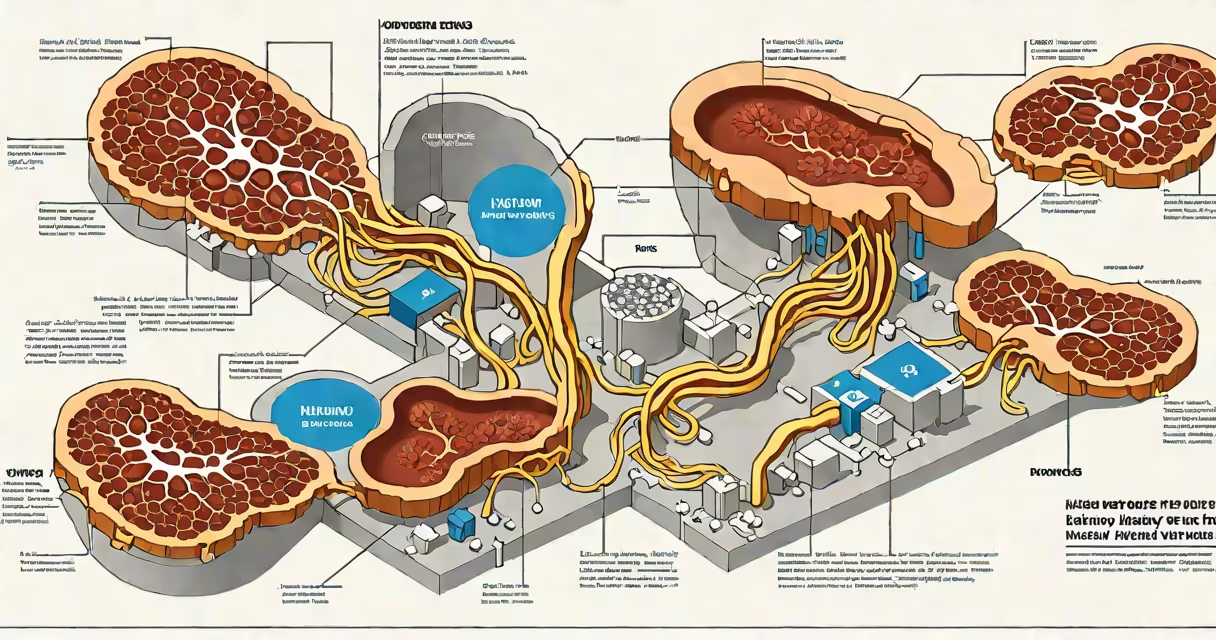
Stage 4 kidney disease means your kidneys are severely damaged, functioning at 15-29% of normal capacity, measured by glomerular filtration rate (GFR). This stage marks a critical point where complications like anemia, bone disease, and fluid overload become likely, and preparation for end-stage renal disease (ESRD) begins.
GFR is the standard metric for kidney function. A healthy adult's GFR is typically above 90 mL/min. When it drops below 60 for three months or more, chronic kidney disease (CKD) is diagnosed. Stage 4 occurs when GFR falls between 15 and 29 mL/min. The National Kidney Foundation defines this as advanced CKD, requiring close monitoring and treatment planning.
At this stage, waste and fluid build up in the blood because kidneys can no longer filter effectively. Symptoms may include fatigue, swelling in legs and ankles, shortness of breath, nausea, and confusion. These signs often appear only after significant damage has occurred, making early detection important.
Kidney function declines gradually due to underlying conditions such as diabetes, hypertension, polycystic kidney disease, or glomerulonephritis. Over time, scar tissue replaces functional nephrons-the filtering units of the kidneys-reducing their ability to clean blood.
Diabetes causes about 45% of new cases of ESRD in the U.S., according to the Centers for Disease Control and Prevention (CDC). High blood sugar damages small blood vessels in the kidneys, impairing filtration. Hypertension contributes to another 25%. Once kidney damage reaches stage 4, reversal is unlikely, but progression can be slowed with treatment.
A 2022 study published in Journal of the American Society of Nephrology found that patients with stage 4 CKD who maintained tight blood pressure control (target <130/80 mmHg) had a 30% lower risk of progressing to ESRD within five years compared to those with less strict control.
While all stage 4 cases involve severely reduced GFR, the cause determines treatment strategy and prognosis. Common etiologies include:
| Primary Cause | Prevalence in Stage 4 | Key Risk Factors |
|---|---|---|
| Diabetic nephropathy | ~45% | Duration of diabetes, poor glucose control, family history |
| Hypertensive nephrosclerosis | ~25% | Long-standing uncontrolled high blood pressure |
| Chronic glomerulonephritis | ~15% | Autoimmune disorders, prior infections, genetic predisposition |
| Polycystic kidney disease (PKD) | ~10% | Family history, cyst growth on both kidneys |
| Other (e.g., obstructive uropathy, drug toxicity) | ~5% | Medication use, urinary tract obstruction, toxins |
Each cause influences treatment choices. For example, diabetic patients benefit most from glycemic control and medications like SGLT2 inhibitors, which reduce proteinuria and slow decline in GFR.
Many assume stage 4 means imminent dialysis. That's incorrect. While dialysis is often needed eventually, many people remain stable on conservative management for months or even years. The goal is to delay progression and avoid complications.
Another misconception is that symptoms always worsen rapidly. In reality, some patients report minimal symptoms until late in the stage. A 2021 survey by the American Society of Nephrology found that 40% of stage 4 patients had no noticeable symptoms beyond fatigue and mild swelling.
Some confuse stage 4 with end-stage renal disease (ESRD), which is stage 5. ESRD is defined by a GFR below 15 mL/min or the need for dialysis. Stage 4 is not yet ESRD, but it is the last step before it. Distinguishing them matters because treatment plans differ.
John, a 62-year-old man with type 2 diabetes and hypertension, had a routine blood test showing a creatinine level of 3.8 mg/dL. His estimated GFR was calculated at 22 mL/min-placing him in stage 4 kidney disease. He reported occasional leg swelling and fatigue but dismissed them as aging.
His nephrologist ordered a urine albumin-to-creatinine ratio (UACR), which showed 450 mg/g-indicating significant protein leakage. This confirmed progressive kidney damage. John began taking losartan (an ACE inhibitor) to lower blood pressure and reduce proteinuria. He also started a low-protein diet under a renal nutritionist's guidance.
After six months, his GFR stabilized at 24 mL/min. His swelling improved, and he reported more energy. He was referred to a transplant center for evaluation, though he wasn't yet on dialysis. His case illustrates that stage 4 doesn't mean inevitable decline-it means proactive management.
Once diagnosed with stage 4 kidney disease, patients enter a phase of intensive care coordination. The focus shifts from treating symptoms to preventing complications and preparing for ESRD.
Patients are evaluated for anemia, electrolyte imbalances, and metabolic acidosis. Erythropoietin-stimulating agents (ESAs) may be prescribed for anemia. Phosphate binders and vitamin D supplements help manage bone health. Fluid restriction and sodium reduction are common dietary adjustments.
For those considering dialysis, timing is important. Starting too early increases risks; starting too late leads to hospitalization. The National Kidney Foundation recommends initiating pre-dialysis education at stage 4, including discussions on access types-fistula, graft, or catheter-and the pros and cons of home versus in-center hemodialysis.
I've seen patients who delayed planning until they were hospitalized with hyperkalemia or pulmonary edema. One patient, a retired teacher, developed acute heart failure after consuming a high-potassium meal. She required emergency dialysis and spent a week in the ICU. Her story underscores why education and early intervention matter.
Stage 4 is not the same as end-stage renal disease (ESRD). ESRD is stage 5. The key difference lies in GFR thresholds: stage 4 is 15-29 mL/min; stage 5 is below 15 mL/min or dialysis dependence.
However, the clinical transition is fluid. Some patients with GFR near 15 may require dialysis due to symptoms, even if technically still in stage 4. Others with GFR 20 may remain stable on medication and diet.
When kidney function drops below 15 mL/min, dialysis becomes necessary unless a transplant is available. Without treatment, survival drops sharply. The average life expectancy on dialysis is 5-7 years, depending on age and comorbidities.
If you or someone you know has been diagnosed with stage 4 kidney disease, consult a nephrologist immediately. Early involvement improves outcomes. Focus on managing blood pressure, blood sugar, and diet.
Stage 4 kidney disease is not a death sentence. It is a warning sign that demands attention. With proper care, many people live years with good function and manageable symptoms.