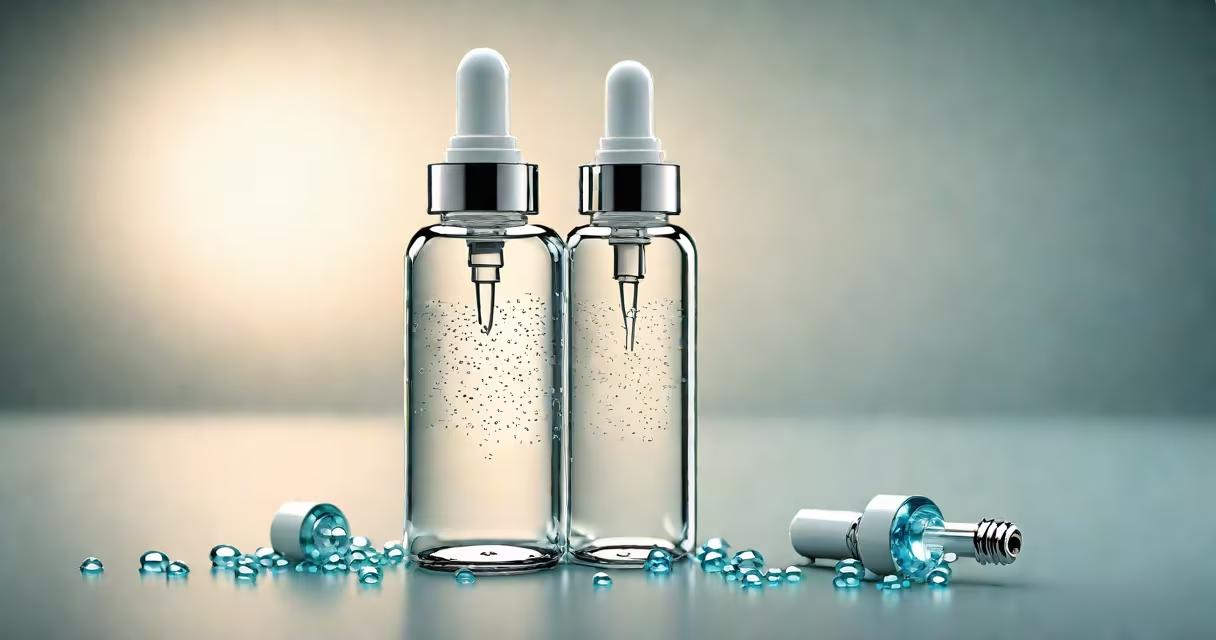
Saline solution cleanses and soothes fresh piercings by gently removing debris, reducing swelling, and promoting tissue healing without irritating delicate new skin. It's a standard in professional aftercare due to its sterility and low irritation profile.
Saline is a sterile sodium chloride solution typically formulated at 0.9% concentration-matching human blood plasma osmolarity. This balance prevents cellular damage during application. When applied to a fresh piercing, it dissolves dried lymph fluid, crust, and surface bacteria without disrupting the healing process.
Medical guidelines from the American Academy of Dermatology emphasize that saline rinses reduce infection rates in new body modifications. A 2021 study published in the Journal of Clinical and Aesthetic Dermatology found that consistent saline cleaning reduced redness and discharge in 86% of patients compared to those using tap water or alcohol-based solutions.
After piercing, the body initiates a controlled inflammatory response. Blood vessels dilate, immune cells migrate to the site, and fluid accumulates-this is normal. Saline helps manage this phase by flushing out excess exudate, which contains dead cells, proteins, and microbes.
Unlike alcohol or hydrogen peroxide, which dry out tissue and delay healing, saline maintains a moist environment conducive to epithelialization-the process where new skin forms over the wound. The U.S. Food and Drug Administration classifies sterile saline as a medical-grade cleanser for wounds, including surgical incisions and tattoos.
A real-world example: a client at a New York City studio reported persistent crusting after a cartilage piercing. After switching from homemade saltwater to a sterile 0.9% saline rinse twice daily, crusting resolved within five days. The studio's protocol now mandates sterile saline for all cartilage and septum piercings.
Not all saline products are equal. Only sterile, preservative-free, and isotonic (0.9%) solutions are safe for piercings. Non-sterile or improperly stored solutions may introduce pathogens.
| Type | Use for Piercings? | Why It Matters |
|---|---|---|
| Sterile 0.9% saline (medical grade) | Yes | Matches body fluids; minimizes tissue stress |
| Homemade saltwater (boiled water + table salt) | No | Contamination risk; inconsistent concentration |
| Eye wash solution (preserved) | Caution | Preservatives may irritate new tissue |
| Saline sprays (alcohol-based) | No | Alcohol dries tissue and increases scarring risk |
Some people believe that "natural" or "homemade" saline is safer. This is false. Tap water contains chlorine, minerals, and microorganisms. Even boiled water can reintroduce contaminants if cooled in an unclean container. A 2019 CDC report linked home-made saline rinses to increased cases of Pseudomonas infections in fresh piercings.
Another myth: "More frequent rinsing = faster healing." Over-cleaning disrupts the protective barrier and causes irritation. The standard recommendation is two to three times daily-morning and night, plus after heavy sweating or swimming.
I once observed a client who used saline every hour for three days. By day four, the area showed signs of overhydration-swelling and flaking. Reducing frequency to twice daily restored normal healing. This aligns with clinical evidence: excessive cleansing delays epithelial closure.
Once a piercing is fully healed-typically 6 to 12 months for ears, 3 to 6 months for navel or lip-saline is no longer needed. Routine cleaning with mild soap and water suffices.
Signs of full healing include: no discharge, minimal tenderness, and the ability to rotate the jewelry without pain. If redness returns or pus appears after stopping saline, reinstate rinses and consult a professional.
For long-term maintenance, switch to fragrance-free, non-alcohol cleansers. Some brands offer saline-infused cotton swabs for touch-ups during travel or high-stress periods.
Saline remains the gold standard for piercing aftercare because it's biocompatible, widely available, and supported by clinical evidence. Its role isn't to "treat" infections-it's to prevent them through consistent, gentle cleansing.