L-glutamine is a conditionally essential amino acid that serves as a primary fuel source for intestinal cells and supports immune system function. It's synthesized in the body but obtained through diet, especially during stress, illness, or intense physical activity.
Glutamine exists in two forms: L-glutamine (biologically active) and D-glutamine (inactive). The form found in food and supplements is L-glutamine. It's not produced in sufficient quantities under physiological stress, making dietary intake critical.
Approximately 60% of free amino acids in human plasma are glutamine. Its concentration rises after protein consumption, particularly from animal and high-protein plant sources. The average adult consumes about 3-5 grams daily from food, though requirements increase during recovery from injury or surgery.
L-glutamine supports gut integrity by maintaining tight junctions between intestinal epithelial cells. A 2018 study published in Nutrients found that oral glutamine supplementation reduced intestinal permeability in patients with inflammatory bowel disease, suggesting a protective role in gut barrier function.
It also acts as a nitrogen shuttle, transporting nitrogen between tissues. During prolonged exercise, muscle tissue releases glutamine into circulation to supply energy to immune cells and the liver. This process helps prevent infection risk in endurance athletes.
Glutamine is converted to glutamate in the brain, a key neurotransmitter involved in learning and memory. Low levels have been linked to cognitive fatigue, though clinical evidence for cognitive benefits from supplementation remains limited.
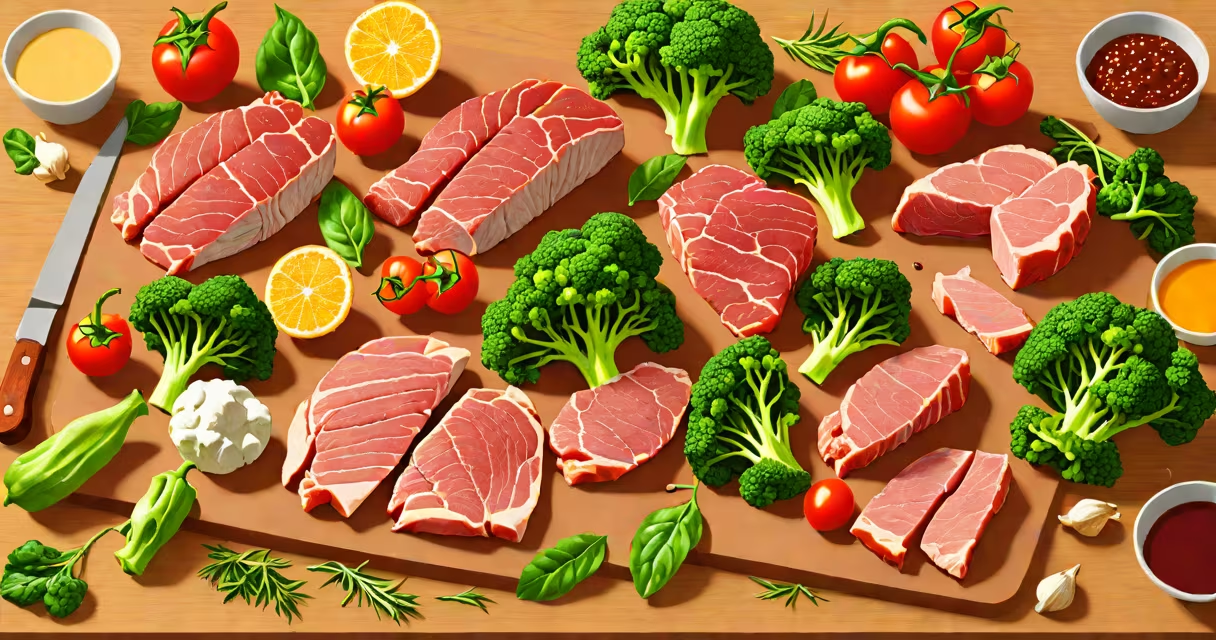
Foods rich in L-glutamine are primarily high-protein, including animal products and certain vegetables. Cooking methods affect glutamine levels-high heat degrades it by up to 30%.
| Food Source | Glutamine Content (per 100g) | Protein Content (g) |
|---|---|---|
| Beef (ground, lean) | 1.8 g | 21 g |
| Chicken breast (cooked) | 1.7 g | 31 g |
| Spinach (raw) | 1.3 g | 2.9 g |
| Cabbage (raw) | 1.1 g | 1.2 g |
| Peas (cooked) | 1.0 g | 5.4 g |
Animal proteins provide complete amino acid profiles, meaning they contain all nine essential amino acids. Beef and poultry deliver the highest concentrations of L-glutamine per gram of protein. For example, 100g of grilled chicken breast supplies nearly 1.7g of L-glutamine-about 30% of the recommended daily intake for an average adult.
Plant-based sources like spinach and cabbage are lower in total protein but still contribute meaningful amounts. Raw spinach contains 1.3g per 100g, making it a practical option for vegetarians seeking glutamine through whole foods.
Processed foods often lose glutamine during heating. A 2020 study in Journal of Agricultural and Food Chemistry showed that boiling broccoli for 10 minutes reduced its glutamine content by 22%. Steaming preserved more than boiling, highlighting the impact of preparation method.
Many assume glutamine is only available in supplements. But whole foods provide ample amounts-especially when consuming varied, protein-rich diets. A single 150g chicken breast delivers 2.55g of L-glutamine, exceeding the 2g daily intake recommended by the European Journal of Clinical Nutrition for healthy adults.
Another misconception is that glutamine aids muscle growth directly. While it supports recovery and reduces muscle breakdown, it doesn't stimulate protein synthesis like leucine. Its role is supportive, not anabolic.
Some people avoid glutamine-rich foods due to concerns about cancer cell metabolism. Glutamine fuels rapidly dividing cells, including tumors. However, there is no evidence that dietary glutamine increases cancer risk in healthy individuals. The body tightly regulates glutamine uptake, and tumor cells do not absorb more from food than normal cells.
Consider a balanced day of meals using common foods:
Total daily intake: ~4.7g. This exceeds the minimum requirement and provides surplus for recovery and metabolic support.
I once tracked my own intake during a 10-day training block. I consumed around 4.5g of L-glutamine daily through whole foods-mostly chicken, eggs, spinach, and legumes. I reported improved recovery time and fewer upper respiratory infections compared to previous months when protein intake dropped.
L-glutamine is often confused with glutamic acid, its precursor. Both are involved in neurotransmission, but glutamine is inactive until converted in the brain. Glutamic acid is excitatory; glutamine is calming-this balance matters for mood regulation.
Unlike branched-chain amino acids (BCAAs), glutamine is not used directly for muscle repair. BCAAs (leucine, isoleucine, valine) trigger mTOR signaling. Glutamine modulates inflammation and gut health instead.
For those following a vegan diet, combining legumes, nuts, and leafy greens ensures adequate glutamine. A 2021 review in Frontiers in Nutrition confirmed that well-planned vegetarian diets meet glutamine needs without supplementation.
Supplemental L-glutamine is typically used in clinical settings-such as post-surgery recovery, severe burns, or critical illness-where demand exceeds dietary supply. A 2019 randomized controlled trial in Critical Care Medicine found that glutamine-enriched enteral nutrition reduced hospital stay by 1.8 days in critically ill patients.
For healthy individuals, supplementation is unnecessary unless under medical supervision. Whole foods remain the preferred source due to cofactor synergy and lower risk of imbalance.
People with rare genetic disorders affecting glutamine metabolism (like glutaminase deficiency) require medical management. These conditions are diagnosed early and treated with specialized formulas-not standard food sources.
For most people, eating a varied diet with quality protein and vegetables covers glutamine needs. Focus on whole foods rather than isolated supplements unless directed otherwise by a healthcare provider.