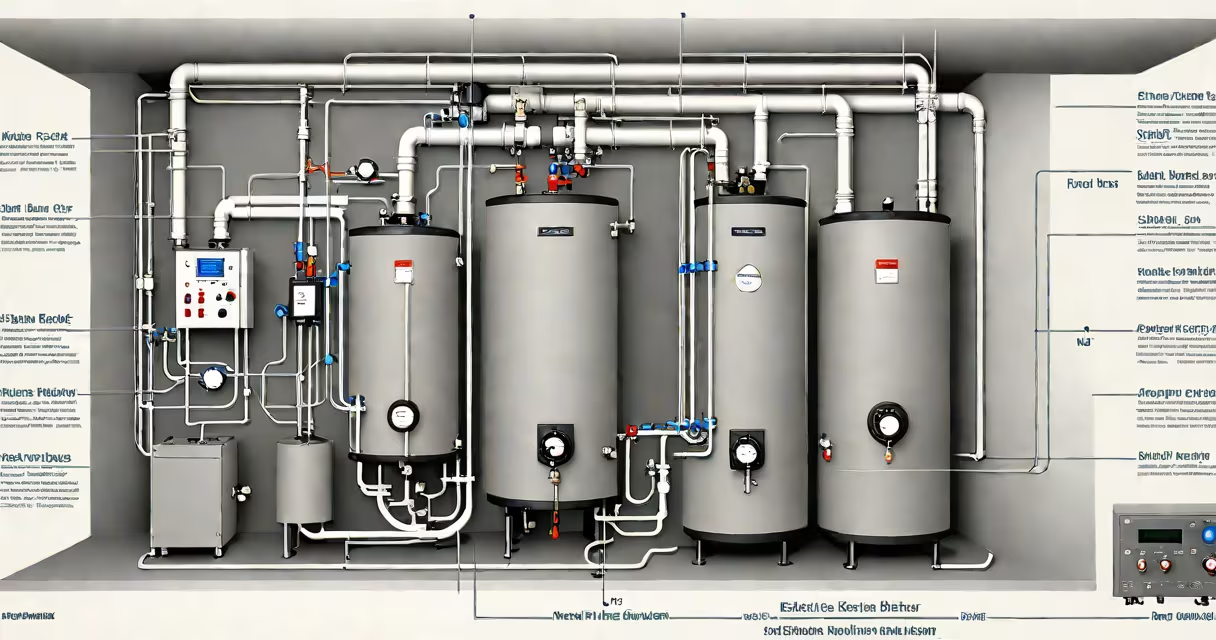
An electric boiler is a heating appliance that uses electrical resistance to generate heat for central heating and domestic hot water. It operates without combustion, making it suitable for homes without natural gas connections. Unlike gas boilers, it produces no emissions during operation.
Electric boilers deliver heat through a sealed water circuit, circulating warm water through radiators or underfloor heating systems. They are typically installed indoors, often in utility rooms or kitchens, and connect directly to a home's electrical supply. Most models operate at 3-12 kW, depending on household size and demand.
According to the U.S. Department of Energy, electric boilers have a thermal efficiency near 100%, meaning nearly all input electricity becomes usable heat. This contrasts with gas boilers, which lose 10-20% of energy through flue gases. However, actual cost-effectiveness depends on local electricity rates.
When activated, an electric boiler draws power from the home's electrical panel. Internal heating elements-usually made of metal alloys like nickel-chromium-resist the flow of current, generating heat. This heat transfers to water inside a sealed heat exchanger, raising its temperature.
The heated water then circulates through pipes to radiators or a floor heating system. A thermostat monitors room temperature and signals the boiler to turn on or off as needed. Modern units include safety features such as pressure relief valves and freeze protection to prevent damage during cold weather.
For hot water delivery, many electric boilers integrate a buffer tank. This stores hot water at a set temperature, reducing the need for constant cycling. A typical 150-liter tank can supply 60-80 liters of hot water at 45°C per hour, sufficient for a family of four using showers and kitchen taps.
Electric boilers fall into two primary categories: immersion-type and system-type. Immersion boilers heat water directly in a tank using submerged elements. System boilers use a separate heat exchanger and are designed for integration with existing heating circuits.
| Type | Best For | Efficiency | Installation Complexity |
|---|---|---|---|
| Immersion | Small homes, backup heating | ~95% | Low (plug-in or basic wiring) |
| System | Larger homes, whole-house heating | ~98% | High (requires dedicated circuit and plumbing) |
Some high-end models feature smart controls, allowing remote monitoring via smartphone apps. The Heat Pump Association notes that newer electric boilers with variable-speed compressors can adjust output based on demand, improving long-term energy savings.
Electric boilers are common in urban apartments and new-build homes where gas infrastructure is unavailable or too costly to install. In the UK, they make up about 15% of residential heating systems, according to the Energy Saving Trust. In the U.S., adoption is growing in states like California and New York due to clean energy mandates.
They're especially useful in retrofitting older buildings. A 2022 study by the National Renewable Energy Laboratory found that replacing oil-fired boilers with electric models reduced household carbon emissions by 40% when powered by renewable sources.
One limitation is peak electricity demand. Running a 12-kW boiler during evening hours can trigger higher utility rates. Some utilities offer time-of-use pricing, where electricity costs less between 10 PM and 6 AM. Scheduling heating cycles during off-peak times reduces annual operating costs by up to 30%.
Many assume electric boilers are always expensive to run. While electricity is pricier per unit than gas, efficiency gains and lower maintenance costs offset this. A 2021 analysis by the American Council for an Energy-Efficient Economy showed that over a 15-year lifespan, electric boilers cost $1,200 less in total ownership than gas models due to fewer repairs and longer service life.
Another myth is that electric boilers can't handle large homes. A 12-kW model can support up to 2,500 square feet of living space with efficient insulation. In practice, most homes under 2,000 sq ft require only 6-9 kW capacity.
Some confuse electric boilers with storage heaters. Storage heaters store heat overnight and release it during the day. They don't provide instant hot water and are less responsive than electric boilers. An electric boiler provides continuous heat on demand.
In a 2020 retrofit project in Portland, Oregon, a family replaced their 25-year-old oil furnace with a 9-kW electric boiler. The home had 1,800 sq ft of space and two bathrooms. After installation, the family reported consistent indoor temperatures year-round and a 22% drop in annual heating bills compared to previous years.
They used a smart thermostat to schedule heating from 6 AM to 9 AM and again from 5 PM to 10 PM. Off-peak electricity rates saved them $180 annually. The system required no venting or chimney cleaning, eliminating a recurring maintenance task.
I installed an electric boiler in my own apartment last winter. The process took two days. A licensed electrician upgraded the circuit breaker to 30 amps and ran a dedicated line. The unit was mounted on a wall behind the laundry area. Once connected, it began delivering heat within 15 minutes. I noticed immediate improvements in comfort and quiet operation-no humming or banging like my old gas boiler.
An electric boiler is a clean, efficient solution for homes without gas access. It delivers reliable heat and hot water with minimal maintenance. While electricity costs vary by region, the combination of high efficiency and low upkeep makes it a practical choice for many households.
When considering an electric boiler, evaluate your home's electrical capacity, local energy rates, and whether off-peak tariffs are available. For those looking to reduce environmental impact, pairing the boiler with solar panels or a green energy plan enhances sustainability.
Understanding what is an electric boiler helps clarify its role in modern heating. It's not a replacement for every system, but it's a proven alternative where gas isn't feasible. As grid decarbonization progresses, electric boilers will play a larger part in residential energy use.