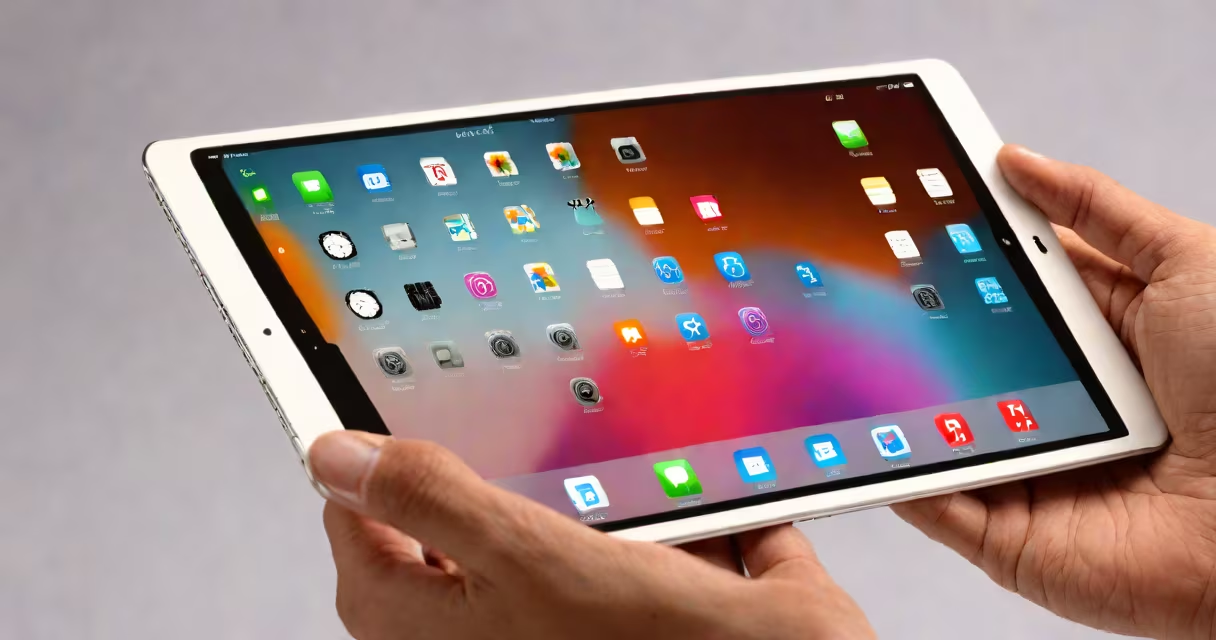
The iPad Mini is a compact, high-performance tablet from Apple that fits comfortably in one hand while delivering most of the capabilities of larger iPads. It measures just 8.3 inches diagonally, making it smaller than standard iPad models yet still capable of running full iOS apps, browsing the web, streaming video, and handling creative work.
Designed for users who want a lightweight alternative to laptops and larger tablets, the iPad Mini balances portability with functionality. It runs iPadOS, supports Apple Pencil (2nd generation), and connects via Wi-Fi or cellular. The latest model, the iPad Mini (6th generation), launched in 2021 and includes a A15 Bionic chip, Face ID, and a 12MP front-facing camera.
Apple markets the iPad Mini as a device for reading, watching videos, taking notes, playing games, and managing daily tasks. Its small form factor makes it ideal for travel, commuting, or using in bed. Despite its size, it handles multitasking, video editing, and even light photo manipulation with ease.
The iPad Mini operates through a touch-based interface powered by iPadOS, Apple's mobile operating system optimized for tablets. Users interact with it via touch gestures-swiping, pinching, tapping-on a Retina display with True Tone technology that adjusts color temperature based on ambient lighting.
Under the hood, the iPad Mini uses Apple's custom silicon. The current model features the A15 Bionic chip, which delivers desktop-level performance in a power-efficient design. This allows the device to run complex apps like Procreate, LumaFusion, and Adobe Lightroom with minimal lag.
Connectivity options include Wi-Fi 6 and optional cellular support (for models with LTE or 5G). The device integrates with iCloud, Apple's cloud service, enabling automatic backups, cross-device syncing, and access to documents across devices. Face ID enables secure authentication without a physical button.
Apple has released six generations of the iPad Mini since 2012. Each iteration introduced improvements in processing speed, display quality, and accessory compatibility. The device has evolved from a basic media viewer to a full-fledged productivity tool.
| Generation | Release Year | Chip | Display Size | Front Camera | Apple Pencil Support |
|---|---|---|---|---|---|
| 1st | 2012 | A5 | 7.9" | 1.2MP | None |
| 2nd | 2013 | A6X | 7.9" | 1.2MP | 1st Gen |
| 3rd | 2014 | A7 | 7.9" | 1.2MP | 1st Gen |
| 4th | 2019 | A12 Bionic | 7.9" | 7MP | 1st Gen |
| 5th | 2021 | A15 Bionic | 8.3" | 12MP | 2nd Gen |
Each generation improved upon the last. The 4th generation added a larger 7.9-inch display and a 7MP front-facing camera. The 5th generation introduced Face ID, replacing the Home button, and upgraded to the A15 Bionic chip, matching the processor in the iPhone 13.
One underappreciated feature is the iPad Mini's support for the second-generation Apple Pencil. Unlike earlier models, this version magnetically attaches to the side and charges wirelessly. It offers low latency and pressure sensitivity, making it suitable for detailed sketching and note-taking.
Many assume the iPad Mini is only for casual use-like watching YouTube or reading e-books. While it excels in those areas, it's also capable of professional-grade tasks. A graphic designer used an iPad Mini during a client meeting to adjust a logo in Procreate, demonstrating real-time collaboration and precision.
Another misconception is that the iPad Mini lacks storage capacity. The base model offers 64GB, and higher-end versions go up to 256GB. That's sufficient for thousands of photos, hours of 4K video, and hundreds of apps. For context, a 1080p movie takes about 1GB, so 256GB holds roughly 250 such files.
Some users confuse the iPad Mini with the iPad Air. The iPad Air is larger (10.9 inches), thinner, and includes a slightly faster chip. The iPad Mini trades size for portability, while the iPad Air targets users seeking a balance between tablet and laptop functionality.
I used an iPad Mini (5th gen) during a week-long trip to Japan. It replaced my laptop for email, note-taking, and itinerary planning. I ran Notion, accessed Google Drive, and edited a short video using LumaFusion-all within a 12-hour battery life. The device fit in my coat pocket and charged via USB-C.
For students, the iPad Mini serves as a lightweight alternative to notebooks. A college student in Chicago reported using it to take handwritten lecture notes with Apple Pencil, then exporting them as PDFs for review. The combination of portability and app support made it easier to stay organized during lectures.
Photographers have used the iPad Mini to review images on location. With a 12MP front camera and True Tone display, the screen accurately represents colors. One freelance photographer used it to compare RAW files against a monitor, adjusting exposure settings before returning to the studio.
The iPad Mini is popular among travelers, students, creatives, and professionals who need a lightweight computing solution. Its size makes it easy to carry in a backpack or large coat pocket. The device weighs just 462 grams (about 1 pound), less than most smartphones.
Business users appreciate its ability to run enterprise apps like Microsoft Teams, Slack, and Salesforce. The iPad Mini supports Sidecar, allowing it to function as a secondary display for Macs. This integration enhances workflow efficiency for remote workers.
Apple positions the iPad Mini as a device for "do more" in a compact form. It's not a replacement for a full-sized iPad or MacBook, but it fills a niche for people who value mobility without sacrificing core functionality.