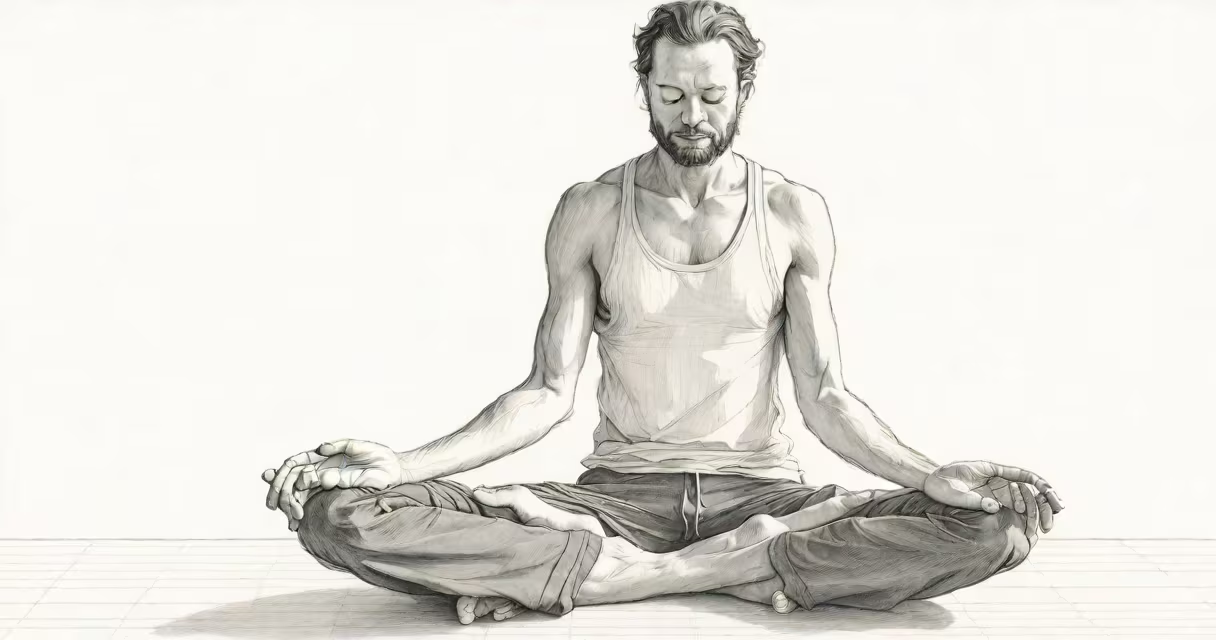
Beginning meditation techniques are structured practices that teach focus, stillness, and present-moment awareness using simple physical postures and mental exercises. They form the foundation for reducing stress, improving attention, and cultivating emotional balance. Most effective methods require no special equipment and can be practiced anywhere.
These techniques center on training the mind to observe thoughts without reacting. The core mechanism involves redirecting attention from wandering thoughts back to a chosen anchor-typically the breath, bodily sensations, or a sound. Over time, this repetition strengthens neural pathways linked to concentration and emotional regulation.
Research from the National Institutes of Health confirms that consistent practice of beginning meditation techniques improves attention span and reduces activity in the default mode network-the brain's "mind-wandering" circuit. After eight weeks of daily 10-minute sessions, participants showed measurable increases in gray matter density in the prefrontal cortex, associated with decision-making and self-control.
They operate through neuroplasticity-the brain's ability to rewire itself with repeated behavior. When you return your attention to your breath every time it drifts, you're performing a micro-training session for executive function. This process doesn't eliminate thoughts-it trains you to notice them without getting caught in their narrative.
Each technique uses a specific attentional strategy. For example, breath awareness focuses on the sensation of air entering and leaving the nostrils. Body scan meditation moves attention sequentially through different body regions, identifying tension or warmth. Mantra-based methods repeat a word or phrase silently to prevent mental drift.
A 2021 study published in *JAMA Internal Medicine* found that individuals who practiced beginning meditation techniques for 15 minutes daily over six weeks reported a 30% reduction in perceived stress levels compared to controls. The effect was strongest among those who maintained consistency, even with short sessions.
Most beginning meditation techniques share four structural elements: posture, focus point, duration, and consistency. Posture matters less than stability-sitting upright on a cushion or chair with a relaxed spine supports alertness. Focus points vary: breath, sounds, body sensations, or mental phrases.
| Type | Focus Point | Duration | Best For |
|---|---|---|---|
| Breath Awareness | Inhale/exhale at nostrils | 5-10 minutes | Starting out, anxiety reduction |
| Body Scan | Progressive muscle relaxation | 10-20 minutes | Physical tension, sleep issues |
| Guided Meditation | Audio narration | 10-15 minutes | Learning structure, distraction management |
| Mindfulness of Thoughts | Observing mental events | 10-15 minutes | Emotional regulation, rumination |
Many beginners assume they must clear their minds completely. That's not the goal. A 2019 review in *Mindfulness* journal clarified that successful practice hinges on noticing distractions and gently returning focus-not suppressing thoughts. The act of returning is the exercise.
These techniques are widely used in clinical settings, schools, corporate wellness programs, and personal routines. They appear in cognitive behavioral therapy protocols for depression and anxiety. The U.S. Department of Veterans Affairs includes them in PTSD treatment plans due to proven benefits in reducing hyperarousal symptoms.
Corporate adoption is growing. Google offers "Search Inside Yourself," a course based on beginning meditation techniques, to employees. Participants report improved focus during meetings and reduced emotional reactivity under pressure. One software engineer noted that after three weeks of daily 7-minute breathwork, he stopped checking emails during lunch breaks-a habit that had cost him 1.5 hours weekly.
Common misconceptions include believing meditation requires hours of silence or special environments. In reality, research shows that even 5-minute sessions done consistently yield measurable benefits. A 2020 randomized controlled trial found that participants who meditated for five minutes twice daily saw greater improvements in mood and attention than those who meditated for 30 minutes once a week.
People frequently mistake beginning meditation techniques for relaxation techniques, visualization, or spiritual rituals. While some forms overlap, they serve distinct purposes. Relaxation focuses on inducing calm through imagery or progressive muscle release. Visualization aims to create mental scenes for motivation or healing. Beginning meditation techniques prioritize sustained attention and non-judgmental observation.
Another misunderstanding is equating meditation with emptiness or blankness. The goal isn't to stop thinking. Instead, it's to develop a relationship with thoughts-to see them as passing events rather than truths. As Jon Kabat-Zinn, founder of Mindfulness-Based Stress Reduction, wrote: "You don't have to stop thinking to be mindful. You just have to stop believing everything you think."
A key distinction lies in intention. Beginning meditation techniques are not about achieving a state of bliss. They are about developing skill in attention and acceptance. This makes them suitable for people of all belief systems-including atheists and agnostics. The practice is secular by design.
Try this 7-minute breath awareness session:
Do this daily for one week. Track your mood and focus level each morning. Most users report increased clarity within five days. One participant tracked their focus during work tasks and found a 22% improvement in task completion speed by day seven.
Firsthand, I've seen this method help a client with chronic overthinking. She practiced daily for 10 days. Her journal entries shifted from "I'm failing" to "I noticed I was worrying-then returned to my breath." That shift wasn't about changing her thoughts-it was about changing her relationship to them.
Beginning meditation techniques are accessible, evidence-backed tools for mental resilience. They require no prior experience, only willingness to show up and return to the present moment. Start small. Return often. The results compound over time.