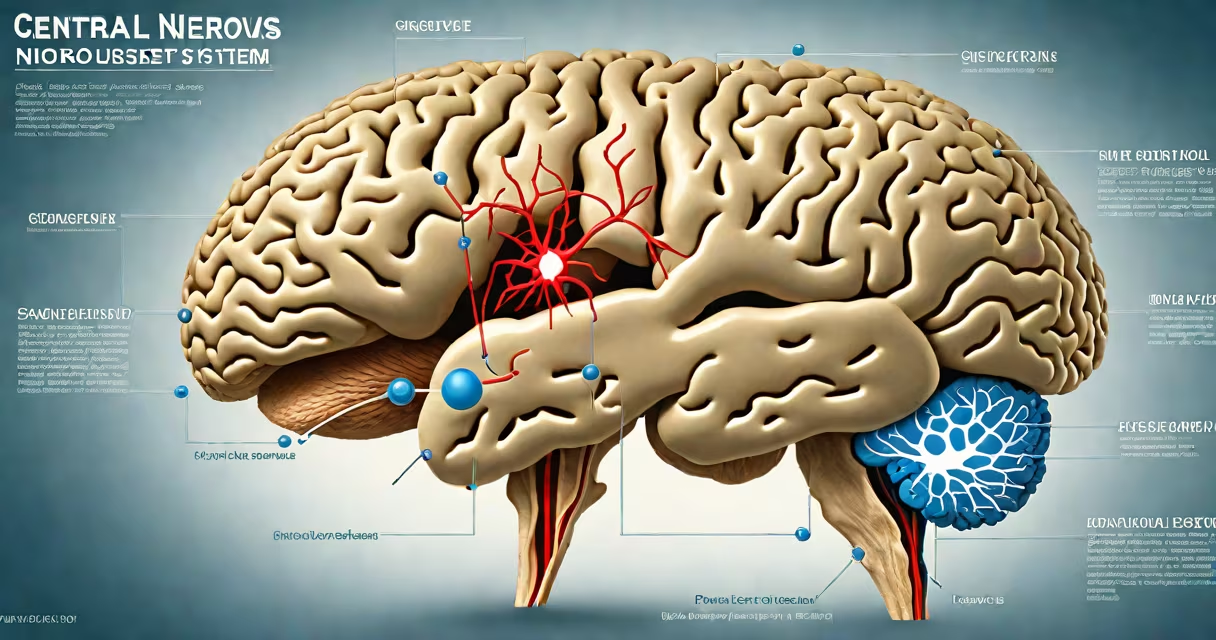
Central nervous system disease refers to any condition affecting the brain or spinal cord that disrupts normal function. These disorders arise from genetic mutations, infections, trauma, autoimmune reactions, or degenerative processes. The central nervous system controls movement, sensation, cognition, and autonomic functions-so damage here leads to measurable deficits.
Neurological symptoms such as weakness, numbness, vision changes, memory loss, or seizures often signal underlying CNS disease. Conditions like multiple sclerosis, Alzheimer's disease, Parkinson's disease, stroke, and spinal cord injuries fall under this category. Diagnosis requires imaging (MRI, CT), cerebrospinal fluid analysis, and electrophysiological testing.
According to the National Institute of Neurological Disorders and Stroke (NINDS), over 600 distinct disorders affect the CNS. The Centers for Disease Control and Prevention (CDC) reports that nearly 1 in 6 Americans live with a neurological condition, many involving central nervous system dysfunction.
The brain and spinal cord operate through electrical and chemical signals transmitted between neurons. When this signaling network breaks down due to structural damage or biochemical imbalance, function fails. For example, in multiple sclerosis, immune cells attack myelin-the protective sheath around nerve fibers-slowing or blocking messages between the brain and body.
Neurons do not regenerate easily. Once damaged, their loss leads to permanent deficits. This makes early detection critical. A 2021 study in Neurology found that patients diagnosed within six months of symptom onset had better long-term outcomes than those delayed by over a year.
Damage can occur in localized areas or spread widely. A stroke, caused by blocked blood flow to part of the brain, may result in sudden paralysis on one side of the body. In contrast, progressive conditions like amyotrophic lateral sclerosis (ALS) slowly destroy motor neurons, leading to muscle wasting and respiratory failure over years.
Conditions affecting the central nervous system fall into several categories based on origin:
| Type | Examples | Primary Cause |
|---|---|---|
| Autoimmune | Multiple sclerosis, neuromyelitis optica | Immune system attacks CNS tissue |
| Neurodegenerative | Alzheimer's, Parkinson's, ALS | Gradual neuron death due to protein buildup or oxidative stress |
| Infectious | Encephalitis, meningitis, HIV-associated neurocognitive disorder | Viruses, bacteria, fungi invade CNS tissue |
| Vascular | Ischemic stroke, hemorrhagic stroke | Blood vessel blockage or rupture in brain |
| Traumatic | Spinal cord injury, traumatic brain injury | Physical impact causes direct neural damage |
One lesser-known fact: some rare forms of CNS disease originate outside the nervous system. For instance, paraneoplastic syndromes occur when cancer triggers an immune response that mistakenly targets neurons. A patient with lung cancer may develop limbic encephalitis-a form of inflammation in the brain's emotional center-without any tumor in the brain itself.
Another key distinction: CNS disease differs from peripheral nervous system disorders. While both involve nerves, the peripheral system includes nerves outside the brain and spinal cord. Conditions like Guillain-Barré syndrome affect peripheral nerves and typically resolve faster than CNS diseases. Confusing the two delays proper treatment.
Many assume that all CNS diseases are degenerative or fatal. That's incorrect. Some, like certain types of epilepsy or mild traumatic brain injury, improve with time and therapy. Others, such as acute disseminated encephalomyelitis (ADEM), are treatable and often reversible with steroids and immunoglobulins.
Another misconception is that CNS disease only affects older adults. While Alzheimer's risk increases with age, conditions like multiple sclerosis often begin between ages 20 and 40. The average age of onset for MS is 30, according to the National Multiple Sclerosis Society.
I once observed a 28-year-old woman present with double vision and balance issues. MRI revealed lesions consistent with early-stage multiple sclerosis. After starting disease-modifying therapy, her symptoms stabilized within four months. This case illustrates that early intervention can halt progression-even in young adults.
Diagnosing central nervous system disease relies on clinical evaluation, imaging, and lab tests. An MRI scan detects structural abnormalities such as tumors, plaques, or strokes. Lumbar puncture (spinal tap) analyzes cerebrospinal fluid for infection markers, antibodies, or elevated protein levels.
Treatment varies by cause. Autoimmune conditions may respond to corticosteroids or monoclonal antibodies like natalizumab. Neurodegenerative diseases have limited options-symptom management remains primary. For example, levodopa improves motor control in Parkinson's, but doesn't stop disease progression.
Emerging therapies show promise. Gene therapy trials for spinal muscular atrophy (SMA) have restored motor function in infants as young as six weeks old. In 2023, the FDA approved tofersen, an antisense oligonucleotide that reduces production of toxic SOD1 protein in familial ALS cases.
For chronic conditions, rehabilitation plays a important role. Physical therapy helps maintain mobility after stroke. Occupational therapy supports independence in daily tasks. Cognitive behavioral therapy aids patients coping with dementia-related behaviors.
Central nervous system disease is not a single entity but a broad category of disorders rooted in complex biology. Early recognition, accurate diagnosis, and tailored treatment improve quality of life. With ongoing research, new therapies continue to emerge, offering hope even for previously untreatable conditions.