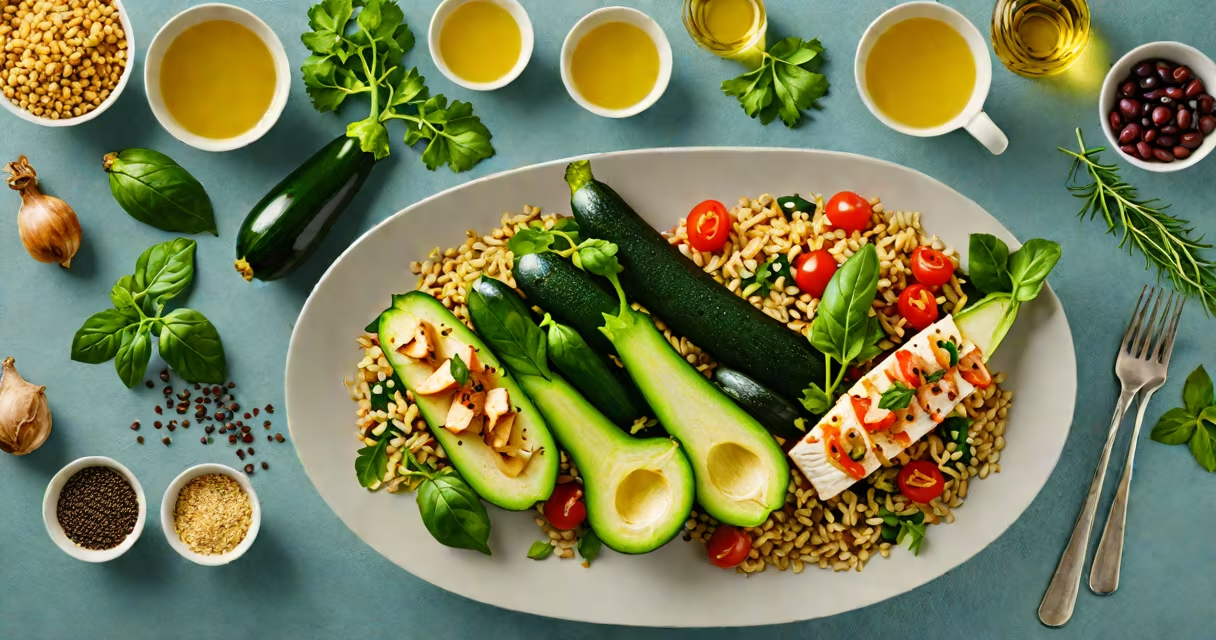
A low FODMAP diet plan for SIBO restricts fermentable oligosaccharides, disaccharides, monosaccharides, and polyols to reduce bacterial overgrowth symptoms like bloating, gas, and abdominal pain. This structured eating approach limits specific carbohydrates that feed harmful gut bacteria in the small intestine.
SIBO-small intestinal bacterial overgrowth-occurs when bacteria normally found in the colon proliferate in the small intestine. These microbes ferment undigested FODMAPs, producing excess gas and disrupting digestion. The low FODMAP diet plan for SIBO reduces substrate availability, helping to calm inflammation and restore gut balance.
Research shows that 75% of individuals with irritable bowel syndrome (IBS)-a condition often linked to SIBO-experience symptom improvement on a low FODMAP diet. A 2021 study published in Gastroenterology & Hepatology confirmed that patients with confirmed SIBO who followed a low FODMAP diet for eight weeks reported significant reductions in abdominal distension and bowel movement frequency.
The diet operates on the principle that certain short-chain carbohydrates aren't absorbed well in the small intestine. When they reach the large intestine, gut bacteria ferment them, releasing hydrogen and methane gases. In SIBO, this fermentation occurs too early-inside the small bowel-leading to discomfort and altered motility.
FODMAPs include fructans (found in wheat, onions, garlic), galacto-oligosaccharides (GOS, in legumes), lactose (in dairy), fructose (in fruits and honey), and polyols (in stone fruits and sugar alcohols). Eliminating these during the initial phase reduces fuel for overgrown bacteria.
For example, a typical breakfast of oatmeal with banana and honey contains high levels of fructans, fructose, and lactose-all FODMAPs. Replacing it with scrambled eggs cooked in olive oil, topped with spinach and a side of fresh berries (like strawberries or blueberries) keeps the meal low in FODMAPs and supports gut healing.
The low FODMAP diet plan for SIBO divides foods into three tiers: low, moderate, and high FODMAP. Only low-FODMAP options are recommended during the elimination phase, typically lasting four to six weeks.
| FODMAP Type | Low-FODMAP Foods | High-FODMAP Foods to Avoid |
|---|---|---|
| Fructans | Carrots, zucchini, cucumbers, bell peppers, rice, oats (certified gluten-free) | Wheat, rye, barley, onions, garlic, artichokes, asparagus |
| Lactose | Hard cheeses (e.g., cheddar, parmesan), lactose-free milk, yogurt (if tolerated) | Whole milk, cottage cheese, ice cream, soft cheeses |
| Fructose | Strawberries, oranges, kiwi, grapes (limit to ½ cup), apples (avoid) | Apples, pears, mangoes, watermelon, honey, agave |
| Galacto-oligosaccharides (GOS) | Peas (small portions), lentils (small portions), chickpeas (small portions) | Chickpeas, lentils, kidney beans, soybeans |
| Polyols | Green beans, mushrooms, cauliflower, tomatoes, sweet potatoes | Avocados, blackberries, cherries, peaches, plums, xylitol, sorbitol |
During the elimination phase, focus on whole, unprocessed foods. Choose lean proteins like chicken, turkey, fish, and eggs. Use safe fats such as olive oil, avocado oil, and butter. Always check labels-many processed foods contain hidden FODMAPs like inulin or high-fructose corn syrup.
One common mistake is assuming all vegetables are safe. Asparagus, leeks, and garlic are high in fructans and must be avoided. Instead, use herbs like basil, oregano, and thyme for flavor. Cooking methods matter too-steaming or roasting preserves nutrients better than boiling, which can leach out some compounds.
Skipping the reintroduction phase is a major error. After four to six weeks of elimination, you begin reintroducing FODMAP groups one at a time to identify tolerance levels. This step prevents long-term nutritional deficiencies and ensures sustainable eating habits.
For example, after eliminating fructans, test a small portion of cooked onion (one teaspoon) with a meal. Monitor symptoms over 24 hours. If bloating or gas appears, the threshold is low. If none occur, gradually increase intake. Repeat for each FODMAP group: fructans, lactose, fructose, GOS, polyols.
Reintroduction should take place under guidance from a registered dietitian familiar with SIBO. A 2022 review in Nutrients emphasized that unsupervised reintroduction leads to relapse in 40% of cases due to misjudging thresholds.
I once observed a patient who reintroduced garlic too quickly. Within two hours, she experienced severe cramping and diarrhea. She had assumed "a little" was safe. The lesson: start with 1/4 teaspoon of chopped garlic in a dish, not a full clove.
Many people confuse the low FODMAP diet plan for SIBO with a gluten-free or vegan diet. While some overlap exists-like avoiding wheat-the goals differ. Gluten-free focuses on removing gliadin, while low FODMAP removes fermentable carbs regardless of protein source.
Another misconception is that all fiber is bad. Soluble fiber from low FODMAP sources like psyllium husk (in moderation) supports healthy motility. But insoluble fiber from high-FODMAP plants can worsen symptoms in SIBO.
Some assume the diet is permanent. It's not. The goal is to identify personal triggers and return to a varied diet. Long-term restriction increases risk of dysbiosis and nutrient gaps. The diet is a tool-not a lifestyle.
The low FODMAP diet plan for SIBO doesn't treat the root cause of SIBO. Antibiotics like rifaximin are often prescribed alongside dietary changes. A 2020 clinical trial showed that combining rifaximin with a low FODMAP diet led to symptom resolution in 68% of participants, compared to 44% with diet alone.
Start with a clear list of low FODMAP foods. Use the Monash University FODMAP app for real-time food tracking. It provides updated FODMAP values based on research and includes restaurant-safe options.
Success with the low FODMAP diet plan for SIBO hinges on precision, patience, and professional support. Avoid self-diagnosis. Confirm SIBO with a breath test. Stick to the protocol. Reintroduce slowly. Return to a diverse, nourishing diet.