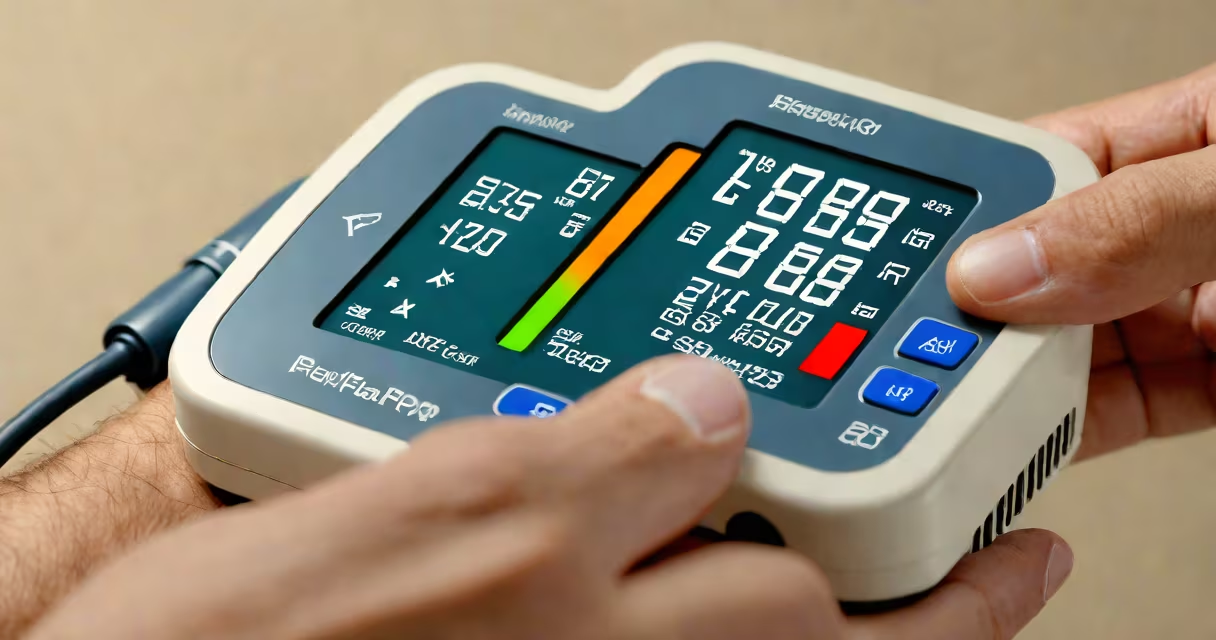
A normal blood pressure value is 120/80 mm Hg. This reading reflects systolic pressure (top number) measured during heart contraction and diastolic pressure (bottom number) measured between beats. The American Heart Association defines this as optimal for adults aged 20 and older.
Blood pressure is measured in millimeters of mercury (mm Hg). Systolic pressure indicates the force exerted on artery walls when the heart pumps blood. Diastolic pressure shows the minimum pressure when the heart rests between beats. Both numbers are essential for assessing cardiovascular health.
The 120/80 standard originated from large-scale clinical trials in the 1970s and was reaffirmed in updated guidelines by the American College of Cardiology and the American Heart Association in 2017. These guidelines define normal as less than 120/80 mm Hg. Readings above this range increase risk for stroke, heart attack, and kidney disease.
Healthcare providers measure blood pressure using a sphygmomanometer-a device with an inflatable cuff, gauge, and stethoscope. The cuff is placed around the upper arm and inflated until blood flow stops. As pressure is released, the first sound heard (Korotkoff sound) corresponds to systolic pressure. The point where sounds disappear marks diastolic pressure.
Home monitoring devices use oscillometric technology. They detect vibrations in the artery wall caused by blood flow. These devices calculate average values over multiple readings and display results digitally. Most FDA-cleared home monitors meet accuracy standards set by the Association for the Advancement of Medical Instrumentation.
For accurate results, patients should sit quietly for five minutes before measurement. The arm must be supported at heart level. Avoid caffeine, exercise, or smoking within 30 minutes prior. Repeated measurements over days provide better insight than single readings.
According to the 2017 ACC/AHA guidelines, blood pressure categories are:
| Systolic (mm Hg) | Diastolic (mm Hg) | Category |
|---|---|---|
| <120 | <80 | Normal |
| 120-129 | <80 | Elevated |
| 130-139 | 80-89 | Hypertension Stage 1 |
| ≥140 | ≥90 | Hypertension Stage 2 |
Readings between 120-129 systolic and less than 80 diastolic are classified as elevated. While not yet hypertensive, they indicate increased risk for progression to stage 1 hypertension. Lifestyle changes such as reduced sodium intake and regular physical activity are recommended.
Stage 1 hypertension (130-139 / 80-89) requires both lifestyle modification and often medication. The 2017 guidelines lowered the threshold for treatment compared to earlier versions, which had used 140/90 as the cutoff. This change was based on evidence from the SPRINT trial showing benefits of tighter control in high-risk individuals.
Many people assume that a single high reading confirms hypertension. This is incorrect. Hypertension is diagnosed only after consistent elevated readings over time. A single elevated result may reflect white coat hypertension-temporary elevation due to anxiety in clinical settings.
Another misconception is that normal blood pressure means no risk. Even at 120/80, individuals with other risk factors-such as diabetes, obesity, or family history-may benefit from early intervention. The Framingham Risk Score uses age, cholesterol, smoking status, and blood pressure to estimate ten-year cardiovascular risk.
One non-obvious fact: blood pressure varies throughout the day. It typically peaks in the morning and drops at night. This circadian pattern is linked to reduced cardiovascular events. Ambulatory blood pressure monitoring (ABPM), which records readings every 15-30 minutes over 24 hours, captures this variation better than clinic visits.
Consider a 52-year-old woman with a history of prediabetes. Her initial clinic visit shows a reading of 142/90 mm Hg. She returns two weeks later for confirmation. The second reading is 140/88 mm Hg. Based on guidelines, she meets criteria for hypertension stage 1.
Her doctor orders ambulatory monitoring. Over 24 hours, her average blood pressure is 136/86 mm Hg. This confirms sustained elevation. She begins dietary changes-reducing salt intake to under 1,500 mg daily-and starts walking 30 minutes daily. After six weeks, her clinic reading drops to 128/82 mm Hg. She continues monitoring and adjusts medications as needed.
This case illustrates that diagnosis requires consistency. Single readings are insufficient. The process involves confirmation, context, and ongoing management.
Individuals should have blood pressure checked at least once every two years starting at age 20. Those with risk factors-family history, obesity, chronic kidney disease-should be screened annually. People with known hypertension require monthly checks until stable, then every three to six months.
High blood pressure often causes no symptoms. About half of U.S. adults with hypertension do not know they have it. Routine screening prevents complications. The CDC reports that uncontrolled hypertension contributes to nearly 500,000 deaths annually in the United States.
Firsthand observation: During a community health fair, a man with no known conditions had a reading of 160/100 mm Hg. He reported no dizziness or chest pain. Follow-up testing confirmed persistent elevation. He was referred to a cardiologist and began antihypertensive therapy. His blood pressure normalized within eight weeks.
Normal blood pressure value is 120/80 mm Hg. This standard applies to adults aged 20 and older. It is not a suggestion-it is a benchmark derived from decades of research. Values above this range require attention, especially if sustained over time.
Understanding your blood pressure is critical. It influences decisions about medication, diet, and exercise. Knowing the difference between normal, elevated, and hypertensive ranges helps prevent long-term damage to the heart, brain, and kidneys.