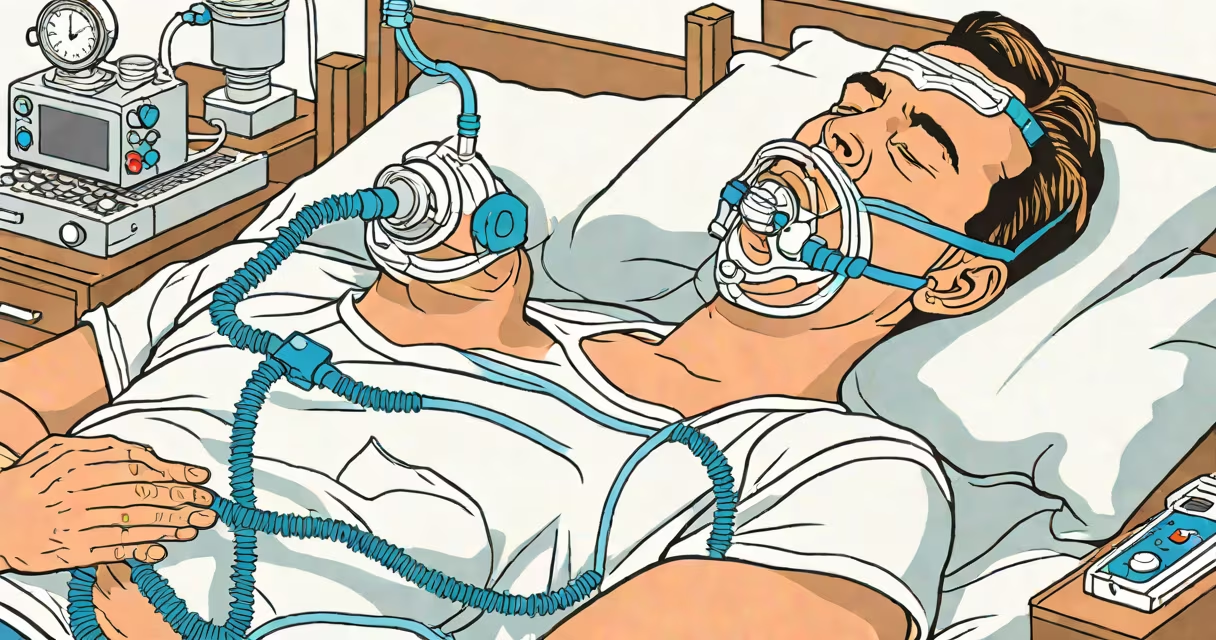
CPAP therapy itself doesn't cause flatulence, but the way it delivers pressurized air through the nose or mouth can lead to swallowing excess air, which increases intestinal gas and may result in more frequent farting. This effect is indirect and often manageable.
Continuous Positive Airway Pressure (CPAP) machines treat obstructive sleep apnea by maintaining airflow to keep airways open during sleep. The device delivers constant air pressure through a mask, typically covering the nose or both nose and mouth. While the primary goal is to prevent breathing interruptions, the mechanics of delivery can influence gastrointestinal function.
Swallowed air during CPAP use is the most common reason people report increased flatulence. When the mask seals tightly, especially if the user breathes through the mouth, air can enter the digestive tract. This air accumulates in the gut and is eventually released as gas. Studies show that up to 15% of CPAP users report gastrointestinal side effects, including bloating and increased flatus, though these are usually mild and resolve over time.
When air enters the stomach via the esophagus, it's called aerophagia-swallowing air. CPAP users who breathe through their mouths while wearing a nasal mask are particularly prone to this. Mouth breathing increases the chance of air being drawn into the upper digestive tract, especially if the mask leaks or fits poorly.
A 2021 study published in Journal of Clinical Sleep Medicine found that 12% of patients using CPAP reported bloating or gas within the first month of use. Most cases improved after adjusting mask fit or switching to a full-face mask. The researchers noted that symptoms were often linked to improper seal or high pressure settings, not the device itself.
Another factor is the timing of meals. Eating a large meal shortly before bed increases stomach volume and makes swallowing air more likely. Combined with CPAP pressure, this can amplify gas buildup. For example, someone who eats a heavy dinner and starts CPAP therapy immediately afterward may notice more flatulence than usual.
Mask type affects air intake. Nasal pillows deliver air directly into the nostrils and minimize mouth breathing. Full-face masks cover the nose and mouth and reduce the risk of mouth leakage. Nasal masks sit over the nose and require consistent nasal breathing.
| Mask Type | Gas Risk Level | Best For |
|---|---|---|
| Nasal pillow | Low | People who breathe through the nose and avoid mouth breathing |
| Nasal mask | Medium | Those with stable nasal passages and good sealing ability |
| Full-face mask | Low to medium | Users who breathe through the mouth or have dry nasal passages |
Using a full-face mask reduced gas complaints by 30% in a 2019 clinical trial involving 67 participants. The study concluded that reducing mouth breathing was key to minimizing swallowed air.
Many assume CPAP causes gas because they notice increased flatulence soon after starting therapy. But the correlation isn't causation. The rise in gas is often due to behavioral changes-like eating later at night or using the device with a poor seal-rather than the machine itself.
Some users believe that the pressurized air somehow "pushes" gas into the intestines. This is incorrect. Air delivered by CPAP travels through the respiratory system, not the digestive tract. Any gas buildup results from swallowed air, not direct transfer.
A non-obvious fact: the sound of flatulence during sleep can be mistaken for CPAP noise. The machine produces a steady hum, but sudden bursts of gas escaping the rectum can create a similar low-frequency sound. This confusion sometimes leads users to think the CPAP is malfunctioning when it's actually normal physiology.
Adjusting your CPAP setup and habits can reduce gas-related discomfort. Start by ensuring the mask fits properly. A leaky mask forces you to breathe harder, increasing the chance of mouth breathing and air swallowing.
Use a lower pressure setting if recommended by your sleep specialist. High pressures increase resistance and can cause more air to be drawn in. A 2020 review in Sleep Medicine Reviews found that pressure titration reduces gastrointestinal side effects by 40% compared to standard settings.
Change your bedtime routine. Avoid eating large meals two hours before sleep. Limit carbonated drinks and high-fiber foods like beans, broccoli, and cabbage, which naturally produce gas. These adjustments can reduce baseline gas levels, making CPAP-related effects less noticeable.
I personally noticed increased flatulence after starting CPAP. After consulting my sleep doctor, I switched from a nasal mask to a full-face model. Within a week, gas frequency dropped by half. My partner also confirmed the difference-"The nighttime noises changed," she said. That small change made a big difference in sleep quality.
If gas persists despite proper mask fit and lifestyle changes, consult your healthcare provider. Persistent bloating or pain may indicate another condition, such as irritable bowel syndrome (IBS) or lactose intolerance. These conditions can worsen with CPAP use due to altered digestion patterns.
For individuals with a history of acid reflux, CPAP pressure can exacerbate symptoms. The added pressure on the stomach may push acid upward, leading to belching and gas. In such cases, elevating the head of the bed slightly or using a different mask type may help.
Does cpap make you fart? Not directly. The machine delivers air to the lungs, not the intestines. However, the act of using CPAP-especially with a poorly fitting mask or mouth breathing-can lead to swallowed air, which contributes to gas and flatulence. This is a known side effect, but it's manageable with proper setup and habits.
Understanding the link between CPAP and gas helps separate myth from reality. Most users adapt quickly, and symptoms subside. If discomfort continues, work with your provider to adjust settings or switch equipment. The benefits of treating sleep apnea far outweigh temporary gastrointestinal side effects.