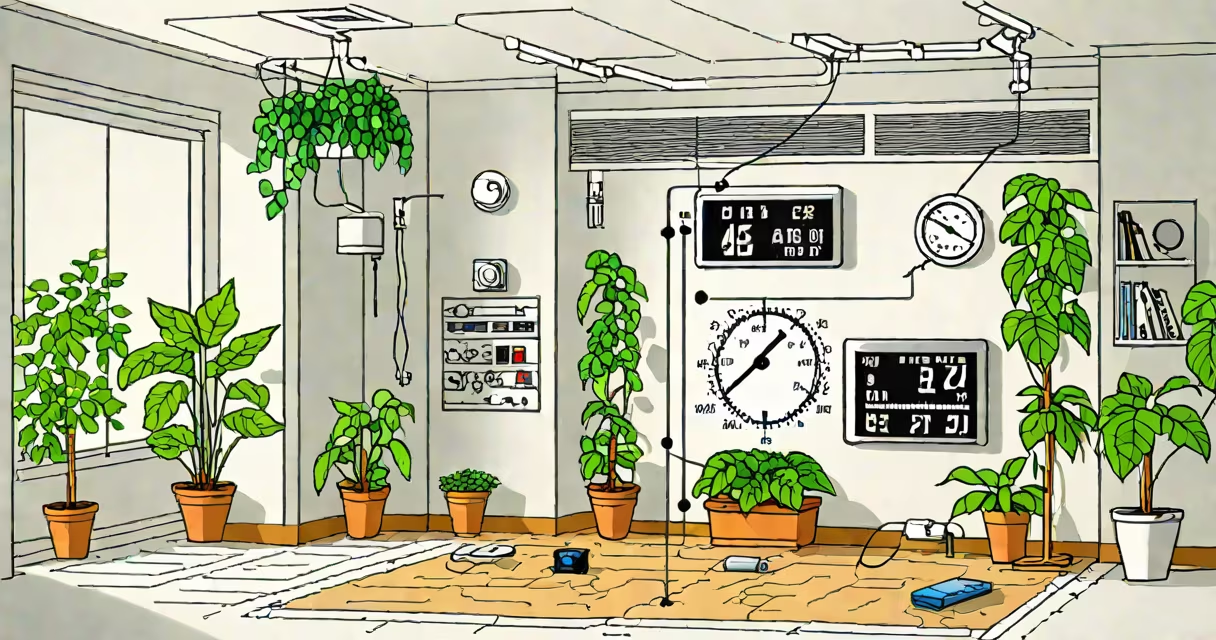
The ideal indoor humidity level in your home ranges from 30% to 50% relative humidity. This range supports respiratory health, prevents damage to furniture and walls, and reduces mold risk. Maintaining this balance improves comfort and protects your home's structure.
Relative humidity measures the amount of water vapor in the air compared to the maximum the air can hold at that temperature. When humidity drops below 30%, skin dries out, nasal passages crack, and static electricity increases. Above 60%, mold thrives, dust mites multiply, and condensation forms on windows and walls. The 30-50% zone avoids both extremes.
According to the American Society of Heating, Refrigerating, and Air-Conditioning Engineers (ASHRAE), indoor humidity should stay within 30-60% for thermal comfort, but lower end of that range is better for preventing microbial growth. The Environmental Protection Agency (EPA) recommends keeping indoor humidity below 60% to reduce mold and allergen risks. These guidelines align with practical experience: homes consistently above 50% show visible dampness and musty odors.
Humidity fluctuates daily due to weather, heating and cooling systems, and household activities. Cooking, showering, and drying clothes indoors release moisture. Central heating in winter lowers relative humidity because warm air holds more moisture, but cold air doesn't. When heated air cools, its capacity to hold water vapor drops, causing dryness.
For example, during winter, outdoor temperatures drop to -10°C (14°F). Indoor heating raises the temperature to 21°C (70°F). Cold air brought in through gaps or ventilation contains little moisture. Once warmed inside, it can hold more water vapor-but if no new moisture is added, relative humidity falls to 20-25%. That's why skin cracks and throats feel dry in winter even with heaters running.
Conversely, in summer, high outdoor humidity enters homes through open windows or poor sealing. Air conditioners remove moisture, but if they're undersized or run inefficiently, humidity remains high. A home in Atlanta with 80% outdoor humidity and a central AC set to 24°C (75°F) may still have indoor levels near 60%-ideal for mold development.
Homeowners use several tools to manage humidity. The most common are humidifiers, dehumidifiers, and HVAC systems with integrated controls.
| System Type | Best For | Typical Range | Energy Use |
|---|---|---|---|
| Central humidifier | Whole-house moisture addition | 30-50% | Medium (connected to furnace) |
| Portable humidifier | Single-room use, winter dryness | 40-60% | Low to medium |
| Dehumidifier | Basement, summer dampness | 30-50% | High (uses refrigeration) |
| Smart HVAC system | Automated year-round control | 30-50% | Variable (depends on model) |
Central humidifiers integrate with forced-air furnaces. They add moisture during heating cycles. A typical unit delivers 10-20 gallons of water per day across a home. These systems require annual maintenance to prevent mineral buildup and bacterial growth in the reservoir.
Portable units use wick or ultrasonic technology. Ultrasonic models produce fine mist using high-frequency vibrations. They're quiet and efficient but can disperse minerals from tap water as airborne particles if not cleaned regularly. One study by the University of California, Berkeley, found that unclean ultrasonic humidifiers released calcium and magnesium particles into the air-potential respiratory irritants.
Many people assume higher humidity always feels more comfortable. That's false. High humidity makes air feel heavier and traps heat. At 30% humidity, 24°C (75°F) feels mild. At 70% humidity, the same temperature feels sticky and oppressive. The human body cools through sweat evaporation. High humidity slows evaporation, making you feel hotter.
Another mistake is relying solely on visual cues. Condensation on windows signals excess moisture, but it appears only when humidity exceeds 60% and surface temperature drops below dew point. By then, mold may already be growing behind walls. A digital hygrometer is essential for accurate readings.
I once installed a smart thermostat with built-in humidity sensors in a client's home in Seattle. The system showed indoor humidity at 68% in late autumn. The client reported frequent coughing and waking up with dry mouth. After adding a dehumidifier, levels dropped to 48% within 48 hours. Symptoms improved. This confirmed that symptoms don't always match visible signs.
Measure humidity with a digital hygrometer placed away from direct sunlight and vents. Position it at chest height, where people spend most time. Check it monthly and recalibrate annually.
Adjust based on season. In winter, aim for 30-40%. In summer, keep it under 50%. Use a dehumidifier in basements or bathrooms prone to dampness. Run exhaust fans during showers. Open windows briefly in dry, sunny weather to ventilate.
For example, a family in Denver uses a portable humidifier in their bedroom during winter. They set it to maintain 40% humidity. The device turns off automatically when the sensor detects 45%. Over six weeks, they report fewer nosebleeds and less static shock when touching metal objects. Their wood floors remain stable with no warping.
Prevent mold by fixing leaks quickly. Even a small drip under a sink can raise humidity locally. A 2021 EPA report found that homes with chronic moisture problems had 3.7 times higher rates of asthma in children. Controlling humidity is not optional-it's preventive health care.