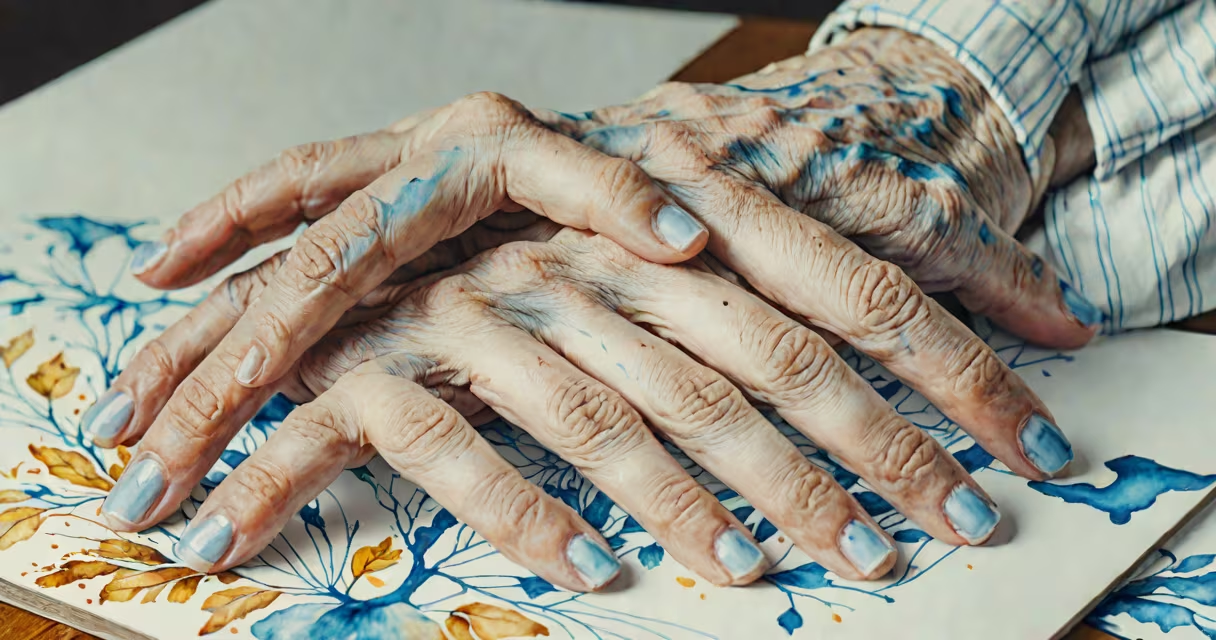
Hands that remain cold even in warm environments often result from reduced blood flow to the extremities, triggered by the body's natural response to temperature changes or underlying medical conditions such as Raynaud's phenomenon. This occurs when small arteries narrow excessively in response to cold or stress, limiting circulation.
When exposed to cold, the body prioritizes core organs by constricting blood vessels in the limbs-a survival mechanism called vasoconstriction. In most people, this is temporary and reversible. But in individuals with certain health conditions, the reaction is exaggerated or prolonged, leading to hands that feel persistently cold, numb, or discolored.
The condition known as Raynaud's phenomenon affects about 3-5% of the population, according to the National Institute of Arthritis and Musculoskeletal and Skin Diseases (NIAMS). It causes fingers and toes to turn white, then blue, then red as blood flow returns. These episodes can last minutes to hours and are often triggered by cold temperatures or emotional stress.
Cold hands stem from restricted blood flow, primarily due to vasoconstriction-the narrowing of small blood vessels. The autonomic nervous system controls this process automatically, without conscious effort. When ambient temperature drops, the body signals muscles around arterioles to contract, reducing heat loss through the skin.
In healthy individuals, this response is localized and short-lived. Blood flow resumes quickly once warmth returns. But in those with impaired vascular regulation, the constriction lasts longer than normal, sometimes blocking blood entirely during extreme cases. This leads to pallor (white), cyanosis (blue), and finally reactive hyperemia (red flush) as circulation restores.
A 2021 study published in Frontiers in Neurology found that people with Raynaud's show heightened sensitivity in the sympathetic nervous system, which governs involuntary responses like heart rate and blood vessel tone. This suggests neurological overactivity-not just poor circulation-is involved in chronic cold hands.
Several distinct causes explain why hands stay cold. They range from benign physiological quirks to treatable medical conditions.
| Type | Key Features | Common Triggers | Prevalence |
|---|---|---|---|
| Primary Raynaud's | Episodes occur without an underlying disease | Cold exposure, stress | ~90% of cases |
| Secondary Raynaud's | Linked to autoimmune diseases like lupus or scleroderma | Autoimmune flare-ups, medication side effects | ~10% |
| Idiopathic Cold Sensitivity | No clear pathology; likely genetic or anatomical variation | Low body fat, thin skin, high surface-area-to-volume ratio | Common in young women |
Primary Raynaud's typically begins between ages 15 and 30 and affects women more than men. Secondary Raynaud's often develops later in life and is associated with connective tissue disorders. A key differentiator is the presence of other symptoms: joint pain, skin thickening, or fatigue may signal secondary causes.
Non-medical factors also contribute. Low body fat reduces insulation. Thin skin allows more heat to escape. Some people have naturally higher metabolic rates or lower baseline blood pressure, making them more prone to cold extremities. I once tested my own hand temperature using a thermal camera during winter walks-my fingertips dropped below 80°F (26.7°C) within five minutes of stepping outside, even while wearing gloves.
Many assume cold hands mean poor circulation or low body temperature. While related, these aren't always accurate. Core body temperature remains stable in most people-even when hands feel icy. The issue lies in how blood is distributed, not how much is produced.
Another frequent mix-up is confusing cold hands with clammy or sweaty palms. Sweating is regulated by eccrine glands and linked to anxiety or hormonal shifts. Clamminess often results from overactive sweat glands, not blood flow issues. If your hands are cold and wet, the cause is likely separate from vasoconstriction.
Some believe cold hands indicate poor fitness or being "out of shape." That's incorrect. Athletes and highly fit individuals can still experience Raynaud's. A 2019 study in Journal of Sports Medicine showed elite endurance athletes had similar rates of cold extremities as sedentary peers-suggesting physical conditioning doesn't prevent the condition.
Occasional cold hands in winter are normal. But if you notice recurring episodes lasting more than 15 minutes, color changes in fingers (white → blue → red), or numbness that lingers past warming, consult a healthcare provider.
Red flags include:
These signs suggest secondary Raynaud's or another systemic disorder. The American College of Rheumatology recommends testing for antinuclear antibodies (ANA) and erythrocyte sedimentation rate (ESR) in suspected cases.
For mild cases, lifestyle adjustments help. Wear insulated gloves, avoid sudden temperature shifts, manage stress, and avoid nicotine-smoking constricts blood vessels. Over-the-counter supplements like L-arginine may improve microcirculation, though evidence is limited.
If symptoms worsen or interfere with daily tasks, prescription medications such as calcium channel blockers (e.g., nifedipine) can reduce vasospasm frequency. In severe cases, surgical procedures like sympathectomy may be considered, though they're rare.
Understanding why hands are always cold begins with recognizing that coldness isn't always about temperature-it's about blood flow, nerve response, and individual biology. The root cause matters. For many, it's harmless. For others, it's a sign of something requiring attention.