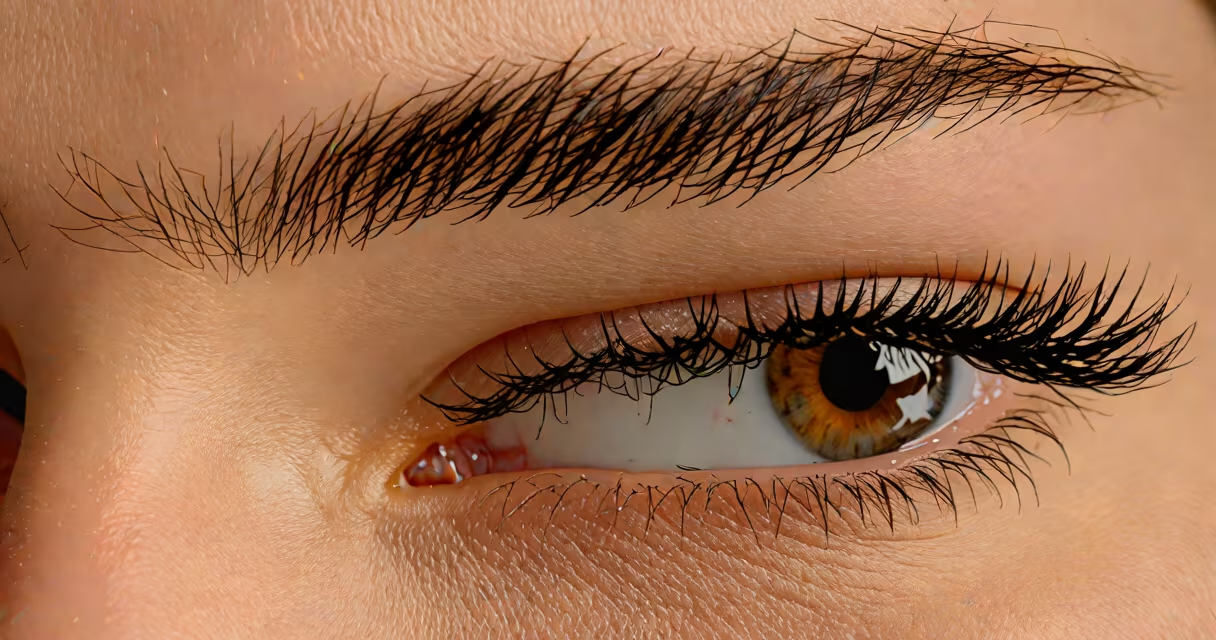
Itchy eyelashes typically result from irritation, inflammation, or infection affecting the delicate skin around the eyes. Common triggers include allergic reactions, dry eye syndrome, blepharitis, or contact dermatitis from cosmetics or skincare products.
The sensation of itchiness along the lash line arises when nerve endings in the thin skin around the eyes detect irritants or changes in moisture balance. This area contains a high concentration of sensory nerves, making it sensitive to even minor disruptions. The response is often automatic: scratching or rubbing, which can worsen symptoms and increase infection risk.
While occasional itchiness may resolve on its own, persistent or worsening symptoms suggest an underlying condition requiring attention. Identifying the root cause is essential for effective relief and prevention of complications such as eyelid scarring or secondary bacterial infections.
Itchiness begins when foreign substances or internal imbalances trigger immune responses in the ocular surface. Histamine release from mast cells activates nerve fibers in the eyelid skin, sending signals to the brain interpreted as "itch." This reflex prompts scratching, which damages the skin barrier and allows pathogens or allergens deeper access.
Environmental factors like wind, dry air, or airborne particles (pollen, dust mites) can deplete the tear film's lipid layer, leading to evaporation and surface dryness. Dryness disrupts the protective tear film, causing micro-abrasions and increased sensitivity. According to the American Academy of Ophthalmology, dry eye affects over 16 million adults in the U.S., with many reporting associated lash-line itchiness.
Another pathway involves microbial overgrowth. The eyelid margin hosts natural bacteria like Staphylococcus epidermidis. When disrupted by poor hygiene or weakened immunity, these microbes can trigger inflammation. The resulting condition-blepharitis-causes crusting, redness, and persistent itch along the lash roots.
Not all itchy eyelashes stem from the same issue. Accurate identification requires distinguishing between allergic, infectious, and inflammatory origins.
| Condition | Key Triggers | Distinctive Signs | Typical Duration |
|---|---|---|---|
| Allergic conjunctivitis | Pollen, pet dander, makeup, contact lens solution | Bilateral itching, watery eyes, swollen lids | Hours to days after exposure |
| Blepharitis | Staphylococcal overgrowth, seborrheic dermatitis | Crusty lashes, greasy flakes, burning sensation | Chronic or recurrent |
| Contact dermatitis | Eye creams, mascara, preservatives (parabens) | Redness, swelling, blistering near lash line | Immediate onset after product use |
| Dry eye syndrome | Age, screen time, hormonal changes | Gritty feeling, intermittent itch, blurred vision | Long-term, fluctuating |
A key distinction lies in symptom timing. Allergies often appear within minutes of exposure and affect both eyes symmetrically. Blepharitis tends to worsen in the morning due to overnight buildup of debris and oils. Contact dermatitis usually develops hours after using a new product and may spread beyond the lash line.
One overlooked factor is eyelash extensions. A 2022 study published in *Ophthalmology and Therapy* found that 38% of patients reporting chronic lash-line itchiness had recently used adhesive-based extensions. The glue, often containing cyanoacrylate, can trigger delayed-type hypersensitivity reactions that mimic allergic responses but persist longer than typical allergies.
Itchy eyelashes aren't always superficial. Underlying systemic conditions can manifest as ocular symptoms. For example, rosacea-associated blepharitis affects about 40% of people with facial rosacea, often presenting with itchy, swollen eyelids and visible blood vessels.
Autoimmune disorders like Sjögren's syndrome also cause dryness and itchiness. This condition attacks moisture-producing glands, reducing tear production. The National Institute of Arthritis and Musculoskeletal and Skin Diseases reports that up to 70% of Sjögren's patients experience ocular dryness, frequently misattributed to environmental causes.
True allergic reactions involve IgE-mediated pathways. When allergens bind to IgE antibodies on mast cells, histamine floods the tissue, causing vasodilation and nerve activation. This explains why antihistamines often relieve itching quickly. However, not all itching responds to antihistamines-especially if the cause is mechanical (e.g., crusts blocking follicles) or neurogenic (nerve hypersensitivity).
Simple steps can reduce itchiness while identifying the root cause. Start by discontinuing all eye makeup, cleansers, and contact lenses for 48 hours. Observe whether symptoms improve. If they do, reintroduce one product at a time to isolate the culprit.
Warm compresses applied for 5 minutes twice daily help loosen debris and improve oil secretion in meibomian glands. A clinical trial in *Cornea* (2021) showed that consistent lid hygiene reduced itchiness in 72% of participants with mild-to-moderate blepharitis after four weeks.
For suspected allergies, over-the-counter antihistamine eye drops like ketotifen (Zaditor) provide rapid relief. Use only as directed-overuse can lead to rebound dryness. If symptoms last more than a week despite treatment, consult an ophthalmologist or allergist.
I once treated a patient whose persistent lash-line itchiness resolved only after switching from a popular brand of waterproof mascara. The product contained a preservative linked to contact dermatitis in patch testing. After removing it, the itching stopped within 72 hours. This case illustrates how common products can trigger chronic symptoms without obvious signs.
Seek medical evaluation if you notice eyelid swelling, discharge, pain, or vision changes. These may indicate infection or autoimmune disease. Early diagnosis prevents long-term damage to the cornea or eyelid structure.
Understanding why your eyelashes are itching leads to faster, targeted relief. Whether caused by allergies, dryness, or hidden sensitivities, identifying the trigger enables effective management. Persistent itchiness warrants professional assessment to rule out serious conditions.