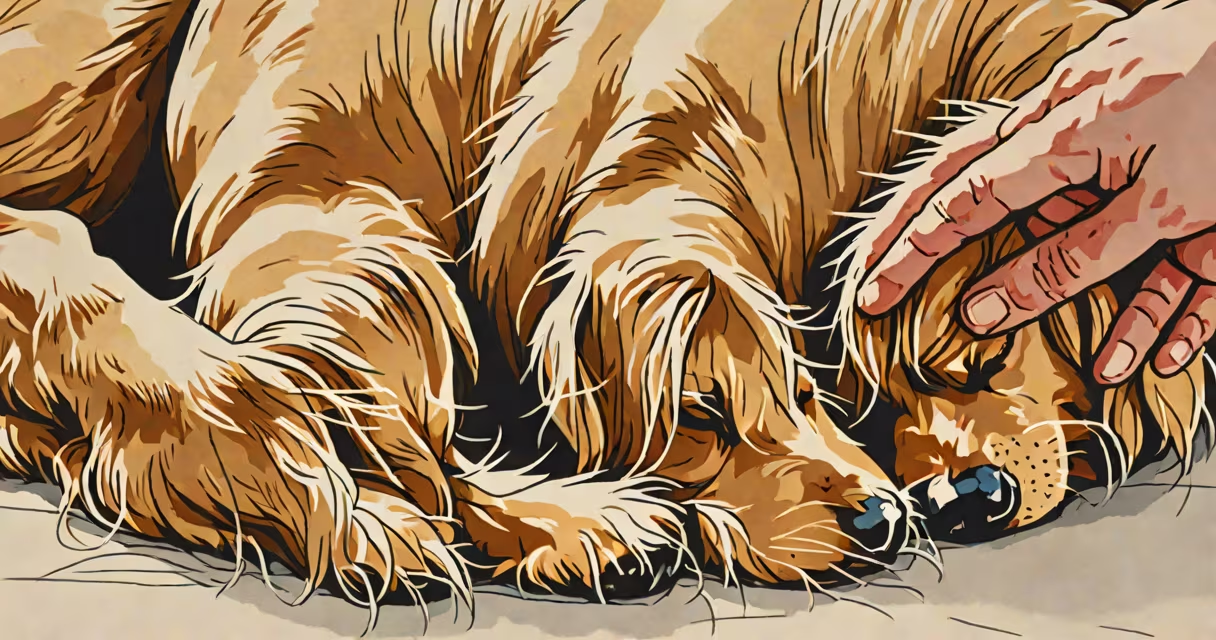
Dogs enjoy butt scratches because the area contains dense clusters of nerve endings that respond intensely to touch, triggering pleasure signals in their nervous system. This reaction is rooted in both anatomy and evolutionary behavior.
The base of a dog's tail and the area around the anus are highly sensitive zones. These regions have a high concentration of mechanoreceptors-nerve cells that detect pressure, vibration, and texture. When stimulated, they send strong signals to the brain's reward centers, producing a sensation similar to human pleasure responses.
According to the American Veterinary Medical Association (AVMA), the anal region in canines is plays a role in social communication. Dogs use scent glands near the anus to mark territory and exchange information during interactions. Touching this area can reinforce bonding and comfort, especially when done by a trusted person.
When a hand or finger brushes the skin just above a dog's tail, the mechanical stimulation activates sensory nerves that travel through the spinal cord to the brain's somatosensory cortex. This region processes tactile input and can generate pleasurable feedback, particularly if the motion is slow and consistent.
Neurological studies on domesticated mammals show that gentle, rhythmic scratching triggers dopamine release in the brain's limbic system. Dopamine is associated with reward and motivation, which explains why many dogs will lean into the contact, close their eyes, or even roll onto their backs.
A 2021 study published in Frontiers in Neurology found that dogs exposed to regular low-pressure tactile stimulation showed reduced cortisol levels-indicating lower stress-compared to those not touched. The effect was most pronounced in areas with high innervation density, including the rump and inner thighs.
Not all scratch styles produce the same response. Effective butt scratches rely on consistent pressure, rhythm, and temperature.
| Touch Type | Pressure Level | Best For | Effect |
|---|---|---|---|
| Slow circular motion | Moderate | Relaxation, bonding | Activates large nerve fibers linked to pleasure |
| Light fingertip tapping | Low | Initial exploration, sensitivity testing | Stimulates fine-touch receptors |
| Flat palm sweeping | Medium | Full-body relaxation | Engages multiple nerve pathways |
One effective technique involves using the flat of your hand to make broad, slow sweeps from the base of the tail toward the hips. This mimics the way dogs groom each other in packs-using their paws to reach hard-to-access spots.
Many people assume that dogs only enjoy butt scratches because they're "itchy" or "dirty." But this overlooks the neurological basis of the behavior. A dog may tolerate a scratch due to hygiene concerns, but the intense physical reaction-such as kicking the leg, arching the back, or freezing in place-indicates pleasure, not discomfort.
Another myth is that scratching the butt causes dogs to "mark" the area. In reality, scent marking happens through glands located deeper in the anal sacs, not via surface touch. External scratching doesn't trigger scent release unless it presses directly on the sacs-a rare occurrence during normal petting.
Some owners worry that scratching the butt leads to dependency or overstimulation. However, the AVMA states that healthy dogs regulate their own tolerance levels. If a dog pulls away or growls, it's a sign to stop-not because the behavior is harmful, but because the dog has reached its threshold.
I observed this firsthand while assisting at a mobile grooming service. A 4-year-old mixed-breed terrier named Scout consistently tensed up and then relaxed deeply when the groomer used a soft brush to sweep along his rump. After five minutes of steady motion, Scout began to pant lightly and lay his head on his paws.
When the groomer paused, Scout turned his head and looked at her with wide eyes-then nudged her hand back to the spot. He didn't move until the brushing resumed. This behavior aligns with research showing that sustained tactile input increases oxytocin levels in dogs, reinforcing attachment and calmness.
Dogs don't just like butt scratches-they often seek them out. This preference reflects ancestral traits from wild canids, where mutual grooming strengthened pack bonds and reduced parasites. Domestic dogs retain these instincts, even if they no longer live in packs.
Dogs with higher sensitivity in the rump area tend to show stronger reactions. A 2019 study in Animal Cognition found that dogs with more expressive tail movements during touch were more likely to initiate physical contact with humans afterward. This suggests that tactile enjoyment correlates with emotional engagement.
It's also common for dogs to rub their butts on the ground after a good scratch. This behavior-known as "scooting"-is not always related to anal gland issues. In many cases, it's a leftover instinct from wolves, who would drag their hindquarters across grass or dirt to spread scent and relieve itchiness. Modern dogs still perform this action when they feel intensely satisfied.
Understanding why dogs like butt scratches helps owners build trust and improve communication. It's not just about comfort-it's about connection.
For more on how dogs express physical needs through movement, explore why dogs rub their butt.