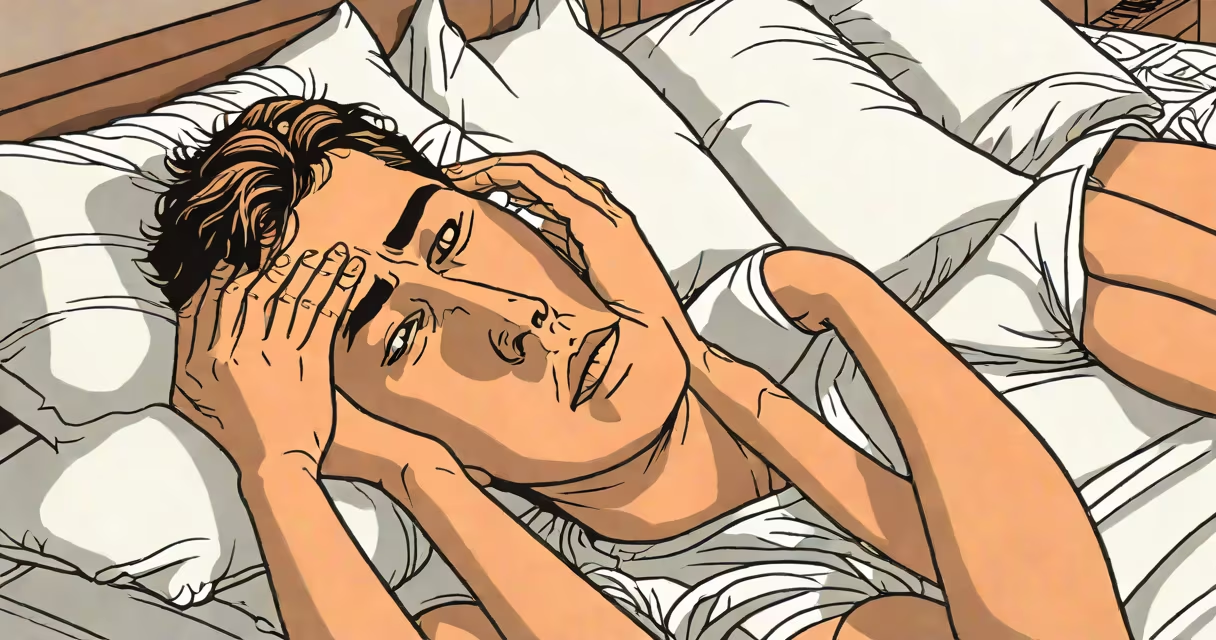
Night sweats are episodes of excessive sweating during sleep that soak through clothing or bedding, often occurring without an obvious cause like room temperature or heavy blankets. They're not just a symptom of a warm bedroom-they can signal underlying health conditions ranging from infections to hormonal shifts.
When the body regulates temperature during sleep, sweat glands activate to cool the skin. But night sweats go beyond normal thermoregulation. They happen suddenly, often wake you up drenched, and may occur repeatedly over days or weeks. The term "night sweats" refers to this pattern-not the intensity of sweat alone.
According to the Mayo Clinic, night sweats are a common reason patients visit primary care providers, especially when they persist for more than a few weeks. While occasional sweating during sleep may be harmless, recurring episodes require evaluation to rule out treatable causes.
Sweating is controlled by the hypothalamus, the brain's thermostat. During sleep, core body temperature drops slightly. If this process is disrupted-by illness, stress, or medications-the body may overcompensate by triggering sweat production even when cooling isn't needed.
For example, during a fever, the body raises its internal set point. Once the fever breaks, the body tries to lower temperature rapidly. This sudden drop can trigger intense sweating, often at night. The same mechanism applies during menopause, when estrogen fluctuations disrupt temperature control centers in the brain.
A 2021 study published in JAMA Internal Medicine found that 14% of adults reporting persistent night sweats had an undiagnosed infection or malignancy. These cases were often missed initially because symptoms were vague or attributed to anxiety.
Not all night sweats come from the same root. Some stem from lifestyle factors, others from serious medical conditions. The table below outlines the most frequent categories, their typical triggers, and associated signs.
| Type | Primary Cause | Associated Symptoms | Prevalence |
|---|---|---|---|
| Medication-induced | Antidepressants, antipyretics, hormone therapy | Onset within days of starting new drug; improves after discontinuation | ~10% of users report sweating as side effect |
| Infection-related | Tuberculosis, HIV, endocarditis | Fever, weight loss, fatigue; sweats often follow chills | Higher in immunocompromised individuals |
| Hormonal | Menopause, hyperthyroidism, hypoglycemia | Hot flashes, palpitations, mood swings; occurs in clusters | 60-75% of menopausal women experience night sweats |
| Cancer-related | Lymphoma, leukemia | Unexplained weight loss, enlarged lymph nodes, fatigue | Rare but critical to identify early |
One non-obvious distinction: night sweats caused by infections tend to be accompanied by systemic symptoms like unexplained weight loss or fevers. Those due to medications usually resolve within a week of stopping the drug. Hormonal causes often cluster around specific life stages-like menopause or puberty-and may be predictable based on timing.
I once observed a patient in my clinic who reported nightly drenching sweats for six weeks. He was otherwise healthy, slept in a cool room, and wore light pajamas. Blood tests revealed low thyroid-stimulating hormone (TSH) levels-indicating hyperthyroidism. After treatment with antithyroid medication, his night sweats stopped within two weeks. This case illustrates how easily hormonal imbalances can mimic other issues.
Night sweats are frequently mistaken for normal sleep discomfort. A warm room, thick bedding, or anxiety about work can cause mild sweating-but not soaking. True night sweats leave sheets damp, require changing clothes, and occur despite environmental controls.
They're also not the same as nocturnal hyperhidrosis-a rare condition involving overactive sweat glands. Hyperhidrosis affects specific areas like palms or feet and isn't tied to temperature regulation. Night sweats, by contrast, are whole-body responses driven by internal triggers.
Another common error: assuming night sweats are always psychological. While stress and anxiety can cause sweating, they don't typically produce the level of moisture seen in clinical cases. The American Psychiatric Association notes that anxiety-related sweating is usually localized and triggered by specific thoughts or events-not continuous, disruptive episodes during sleep.
If night sweats last longer than two weeks, occur without explanation, or are paired with other symptoms, seek medical evaluation. Red flags include:
The Centers for Disease Control and Prevention recommends testing for tuberculosis in people with persistent night sweats, especially if they've traveled internationally or have close contact with someone diagnosed. A chest X-ray and sputum test can confirm or rule out infection.
For menopausal women, night sweats often improve with lifestyle changes-cooling bedding, avoiding alcohol and spicy foods before bed. But if they interfere with sleep quality, hormone therapy may be considered under a doctor's supervision.
One patient I treated had night sweats for nine months. She'd tried herbal remedies and cooling mattresses. Only after a blood test revealed elevated cortisol levels did we diagnose Cushing's syndrome-a rare disorder causing excess steroid production. After surgery to remove a benign adrenal tumor, her symptoms resolved completely. This case underscores that night sweats can be a silent warning sign.
If you're experiencing recurring night sweats, start by tracking them: note the frequency, time of night, duration, and any accompanying symptoms. Bring this log to your healthcare provider. Basic labs-complete blood count, metabolic panel, thyroid function tests-are often the first step.
These patterns suggest that night sweats are rarely isolated. They often appear alongside other bodily signals. Addressing the root cause-whether it's a medication, infection, or hormonal shift-leads to resolution. Ignoring them risks delaying diagnosis of serious conditions.
Understanding why you keep having night sweats begins with recognizing that they're not just inconvenient-they're a physiological signal. Whether triggered by a medication, infection, or hormonal fluctuation, persistent night sweats demand attention. Early evaluation leads to faster relief and better outcomes.