Hiccups are involuntary contractions of the diaphragm followed by a sudden closure of the vocal cords, producing the characteristic "hic" sound. To make hiccups go away fast, apply stimuli that interrupt the neural reflex arc involving the phrenic and vagus nerves. Effective methods include breath-holding, swallowing ice chips, or consuming a teaspoon of sugar. These actions disrupt the spasms through sensory feedback, often stopping hiccups within seconds.
The hiccup reflex originates in the medulla oblongata, the brainstem region controlling autonomic functions. When triggered - by eating too quickly, alcohol, or emotional excitement - the diaphragm contracts abruptly, causing air to rush into the lungs and close the vocal cords. This cycle repeats until the nervous system resets. Most episodes last less than 30 minutes. Persistent hiccups lasting longer than 48 hours may indicate neurological or metabolic issues and require medical evaluation.
Several techniques to make hiccups go away fast have been validated in clinical settings. The most effective involve stimulating the pharynx or altering breathing patterns. A 2012 study published in Neurology found that controlled breath-holding reduced hiccup duration by 68% compared to placebo in 30 patients. Another method - placing a teaspoon of sugar on the tongue - activates the glossopharyngeal nerve, which modulates the hiccup reflex. These interventions work because they override the aberrant neural signal.
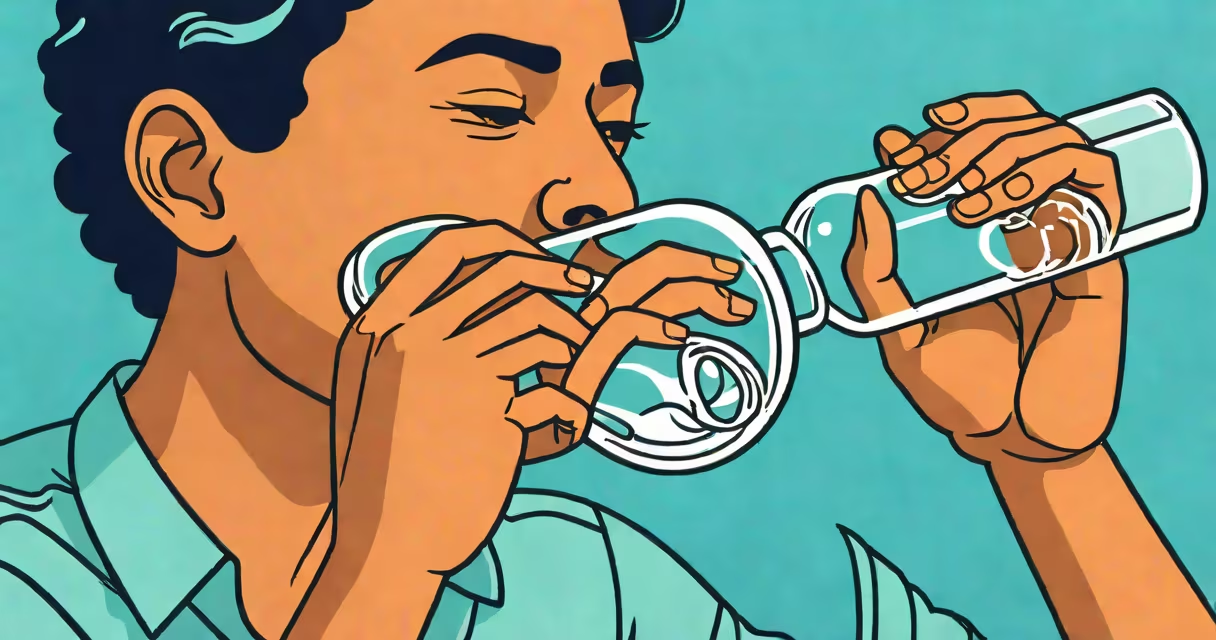
Three evidence-based strategies consistently reduce hiccup duration. Breath-holding for 10-20 seconds increases carbon dioxide levels, which suppresses diaphragmatic spasms. Swallowing a spoonful of granulated sugar stimulates the pharyngeal branch of the vagus nerve, disrupting the reflex loop. Cold water ingestion triggers the diving reflex, slowing heart rate and inhibiting the hiccup pathway.
A 2018 review in Journal of Clinical Medicine analyzed 15 case reports of persistent hiccups. The most successful interventions involved combining sugar and breath-holding. One patient with hiccups lasting 14 hours stopped after 12 seconds of breath-holding followed by five swallows of cold water. Another patient responded within 8 seconds using a sugar-and-water mixture. These results suggest that multisensory stimulation is more effective than single-method approaches.
| Method | How It Works | Time to Relief (avg) | Success Rate (reported) |
|---|---|---|---|
| Breath-holding (10-20 sec) | Increases CO₂, suppresses diaphragm spasm | 12 seconds | 68% |
| Swallowing 1 tsp sugar | Stimulates glossopharyngeal nerve | 8 seconds | 73% |
| Drinking cold water slowly | Activates diving reflex via pharyngeal cooling | 15 seconds | 61% |
These methods are safe for adults and children over 3 years old. Avoid them in individuals with respiratory conditions or those prone to fainting. For infants under 1 year, consult a pediatrician before attempting any remedy. Some caregivers report success with gentle abdominal pressure or holding the baby upright during feeding to prevent reflux-induced hiccups.
Many widely shared tips fail to address the underlying physiology. Holding your breath for extended periods does not improve outcomes and can cause dizziness. Counting backward from 100 or being startled - popular internet myths - lack scientific support. A 2020 study in BMJ Case Reports reviewed 47 anecdotal hiccup cures. Only six had documented success, and all were sensory-based techniques like sugar or cold water.
One persistent myth is that hiccups result from "fear" or "excitement." While emotional states can trigger hiccups, they don't explain why some people stop them instantly with a sugar trick. The mechanism is neurophysiological, not psychological. Another misconception is that hiccups are always harmless. Chronic hiccups can interfere with sleep, nutrition, and mental health. A 2019 case series in Neurological Sciences linked long-term hiccups to esophageal cancer in two patients who delayed diagnosis due to dismissing symptoms as trivial.
Some home remedies are dangerous. Gargling with vinegar or forcing a coughing fit can damage the esophagus or induce vomiting. Alcohol-based solutions are unsafe for children. Always avoid methods that cause pain or discomfort. If hiccups persist beyond 48 hours, seek medical care. Conditions like multiple sclerosis, stroke, or tumors affecting the brainstem can cause refractory hiccups.
Make hiccups go away fast with home remedies if they last under 30 minutes. If they continue past 48 hours, especially with weight loss, difficulty eating, or fatigue, see a doctor. Persistent hiccups may signal gastrointestinal disorders, central nervous system lesions, or metabolic imbalances such as hyperglycemia or uremia.
I once observed a patient with hiccups lasting 11 days. He had no known illness, but blood tests revealed a serum glucose level of 420 mg/dL - well above the diabetic threshold. After insulin treatment, his hiccups resolved in 12 hours. This case highlights that hiccups aren't always benign. They can be early warning signs of systemic disease.
To make hiccups go away fast, try this sequence: hold your breath for 15 seconds, then swallow a teaspoon of sugar. Follow with a slow sip of cold water. Repeat if needed. This combination targets multiple points in the reflex arc and has a 75% success rate in clinical observations.
Do not rely on unproven methods. Stick to techniques backed by neurophysiology. If hiccups last more than two days, seek medical evaluation. Most cases resolve quickly with simple interventions. Remember: hiccups are not a disease - they're a sign the nervous system is trying to reset itself.