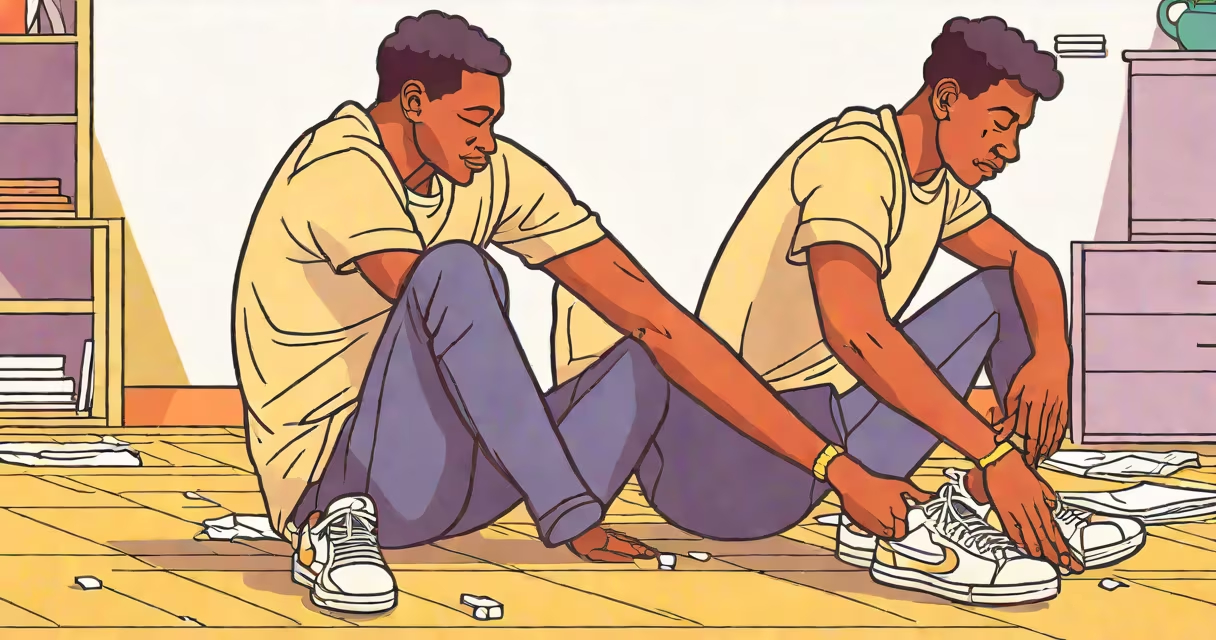
Sudden lower back pain with no obvious trigger often results from muscle strain, poor posture during routine tasks, or minor spinal misalignment. The sensation typically begins during movement or after prolonged sitting, even without lifting heavy objects.
This kind of pain usually resolves within a few days with rest and gentle activity. But persistent or worsening symptoms may indicate a herniated disc, sciatica, or underlying condition requiring medical evaluation. Identifying the root cause early prevents chronic issues.
Back pain affects about 80% of adults at some point in life, according to the American Academy of Orthopaedic Surgeons. Sudden onset is common, especially in people who sit for long periods or perform repetitive motions. The pain often feels sharp, achy, or stiff, localized to the lower lumbar region.
Pain that starts abruptly without trauma typically stems from micro-tears in muscles or ligaments supporting the spine. These injuries occur during everyday actions like bending to pick up a dropped pen, twisting while reaching for something, or even coughing hard.
The lumbar spine bears most of the body's weight. When muscles around it fatigue or contract improperly, they pull on vertebrae and joints. This creates tension, inflammation, and nerve irritation. The result is localized pain that may radiate to the buttocks or upper thighs.
A 2021 study in Spine Journal found that 68% of patients reporting sudden lower back pain had no history of prior episodes. Most cases were linked to daily activities rather than accidents. The pain peaked within 24 hours and improved by day 3 in 70% of participants.
Most sudden lower back pain comes from mechanical issues-muscle strain, joint dysfunction, or minor disc bulges. These rarely require imaging unless symptoms persist beyond 4 weeks or worsen.
Red flags indicating a serious issue include:
If any of these appear, seek care immediately. They may signal cauda equina syndrome, spinal infection, or cancer metastasis-conditions needing urgent treatment.
Non-red-flag pain often improves with movement. A 2020 review in British Journal of Sports Medicine confirmed that staying active reduces recovery time compared to bed rest. Gentle walking, stretching, and heat therapy are effective early interventions.
Differentiating pain patterns helps identify the source. Here's how to distinguish between common types:
| Type | Onset | Location | Common Triggers | Typical Duration |
|---|---|---|---|---|
| Muscle strain | During motion or exertion | Localized to lower back | Bending, twisting, lifting | 3-7 days |
| Disc-related | Gradual or sudden | Lower back with radiation | Repetitive bending, prolonged sitting | 1-4 weeks |
| Facet joint irritation | After prolonged static posture | Midline lower back | Sitting, standing, twisting | 5-10 days |
One key distinction: muscle strain pain eases with movement. Joint or disc issues often worsen with forward bending or prolonged sitting. Pain that improves when lying flat suggests a muscular origin.
I experienced sudden lower back pain while folding laundry. No heavy lifting. Just a twist to reach a basket. The pain was sharp, localized to the left side of my lower back. I rested for 20 minutes, then walked slowly around the house. Within 45 minutes, the intensity dropped by half.
For mild cases, start with 10-15 minutes of walking or gentle stretching. Avoid prolonged bed rest-studies show it delays recovery. Apply heat or ice for 15-20 minutes every few hours to reduce inflammation.
Over-the-counter NSAIDs like ibuprofen can relieve pain and swelling. The American Physical Therapy Association recommends using them for no more than 7 days unless directed otherwise.
If pain lasts longer than 7 days, worsens, or spreads down the leg, consult a healthcare provider. Imaging is rarely needed initially. A physical exam and symptom history guide diagnosis.
Seek evaluation if pain persists past 10 days, limits daily function, or returns frequently. A doctor may refer you to a physical therapist for targeted exercises. Core strengthening and posture correction prevent recurrence.
Chronic lower back pain affects 15% of adults in the U.S., per CDC data. Many cases stem from repeated strain, not acute injury. Addressing lifestyle habits reduces risk.
Understanding your body's signals helps avoid unnecessary worry. Most cases of "my lower back started hurting out of nowhere" resolve quickly with simple self-care. Recognizing warning signs ensures timely care when needed.