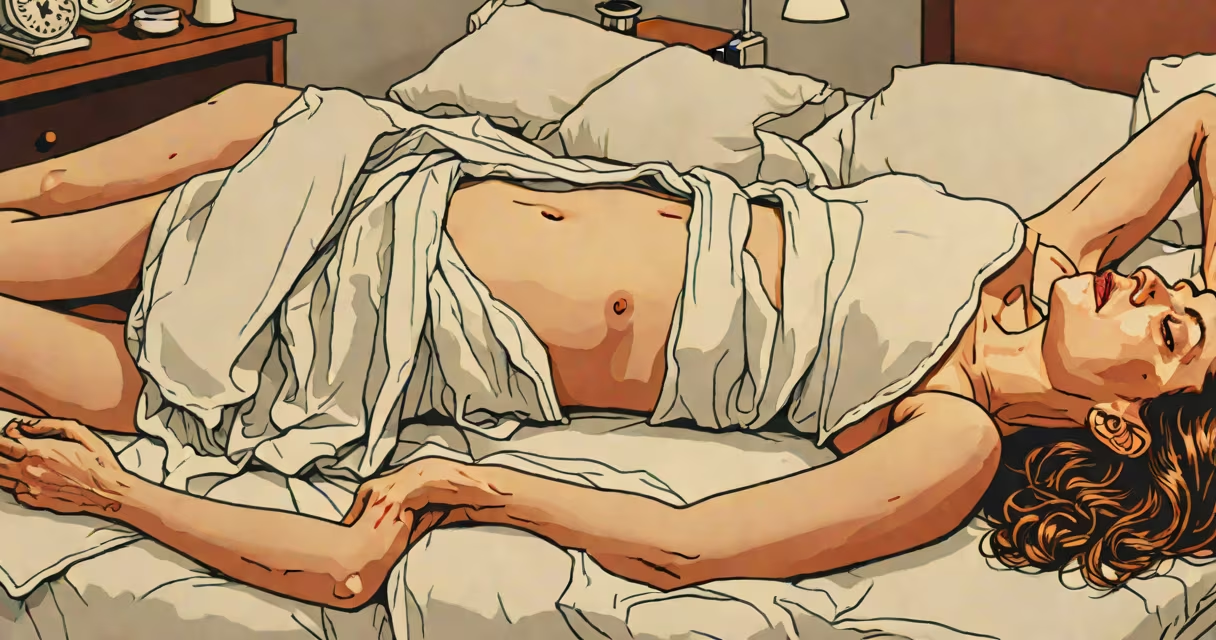
Period cramps result from intense uterine contractions caused by high levels of prostaglandins, hormone-like substances that trigger muscle spasms to expel the uterine lining. These contractions can reduce blood flow to the uterus, causing ischemia and sharp, throbbing pain.
Prostaglandins are produced in the endometrium-the inner lining of the uterus-during menstruation. When levels spike, they cause the uterine muscles to contract forcefully. This process is normal, but excessive prostaglandin release leads to severe pain, often described as cramping, dull ache, or sharp stabbing sensations in the lower abdomen.
The American College of Obstetricians and Gynecologists (ACOG) identifies primary dysmenorrhea-pain without underlying pelvic disease-as common in adolescents and young adults. Secondary dysmenorrhea, linked to conditions like endometriosis or fibroids, typically begins later and worsens over time. ACOG estimates that 50% of women experience moderate to severe menstrual pain, with 10% reporting disability during their cycle.
Prostaglandins act like local hormones. They bind to receptors on uterine smooth muscle cells, causing them to contract. As contractions intensify, they compress blood vessels in the uterine wall, reducing oxygen supply. This hypoxia triggers nerve endings, sending pain signals to the brain.
High prostaglandin levels also contribute to systemic symptoms. Nausea, diarrhea, dizziness, and headaches occur because prostaglandins affect other organs. For example, prostaglandin E2 can stimulate intestinal motility, leading to loose stools-a phenomenon reported by 30% of menstruating individuals in a 2021 study published in Reproductive Health.
When prostaglandin production exceeds baseline, the body's natural anti-inflammatory response may not keep up. This imbalance amplifies pain perception. NSAIDs like ibuprofen work by inhibiting cyclooxygenase enzymes (COX-1 and COX-2), which are essential for prostaglandin synthesis. Blocking these enzymes reduces both inflammation and uterine contractions.
Not all cramps are the same. The type and timing of pain can indicate whether it's physiological or pathological.
| Type | Onset | Common Causes | Associated Conditions |
|---|---|---|---|
| Primary dysmenorrhea | First few days of bleeding | High prostaglandin levels | Normal menstrual cycle |
| Secondary dysmenorrhea | Months or years after regular cycles begin | Endometriosis, adenomyosis, fibroids | Chronic pelvic pain, infertility risk |
Primary dysmenorrhea usually starts within six months of menarche (first period). It tends to improve with age and after childbirth. Secondary dysmenorrhea often develops after age 25 and may worsen over time. A 2020 review in Human Reproduction Update found that 70% of women diagnosed with endometriosis reported pain lasting more than five years before diagnosis.
One overlooked factor is stress. Cortisol and adrenaline alter prostaglandin metabolism. Chronic stress increases sensitivity to pain through central nervous system modulation. A 2019 study in Journal of Women's Health showed that women under high psychological stress had 40% higher prostaglandin E2 levels during menstruation compared to low-stress peers.
Many assume cramps are just "part of being a woman." That's incorrect. While mild discomfort is common, debilitating pain is not normal and may indicate an underlying condition.
Another myth is that birth control eliminates cramps. Hormonal contraceptives reduce prostaglandin production and stabilize the endometrial lining, which helps many. But they don't eliminate pain for everyone. A 2022 clinical trial in Obstetrics & Gynecology found that 35% of women using combined oral contraceptives still experienced moderate-to-severe menstrual pain.
Sarah, 22, began experiencing severe cramps at age 16. Her pain started on day one of her period and lasted four days. She took ibuprofen every 6 hours, but relief was partial. Over time, the pain worsened and spread to her lower back and thighs.
She visited a gynecologist. An ultrasound revealed endometriosis lesions on her ovaries and fallopian tubes. Biopsy confirmed stage II disease. After laparoscopic excision and hormonal therapy, her pain reduced from an 8/10 to a 2/10 on the visual analog scale.
This case illustrates that persistent, worsening pain is not typical of primary dysmenorrhea. It signals a need for medical evaluation. Delayed diagnosis can lead to fertility complications, as endometriosis affects ovarian reserve and tubal function.
Consult a healthcare provider if cramps interfere with daily activities, last longer than three days, or start suddenly after years of mild pain. Red flags include:
I've seen patients wait years for diagnosis. One woman, Maria, delayed care until she couldn't work due to pain. Her MRI showed deep infiltrating endometriosis involving the rectovaginal septum. Early intervention prevents long-term nerve damage and chronic pelvic pain.
Non-drug approaches include heat therapy, regular exercise, and dietary adjustments. Applying a heating pad to the lower abdomen reduces muscle tension and improves blood flow. A 2018 randomized controlled trial in European Journal of Pain found that 40°C heat applied for 30 minutes reduced pain intensity by 50% compared to placebo.
Exercise boosts endorphins and reduces prostaglandin synthesis. A 2020 meta-analysis in British Journal of Sports Medicine concluded that 30 minutes of moderate aerobic activity three times weekly decreased menstrual pain severity by 37%.
Diet matters too. Omega-3 fatty acids (found in fatty fish and flaxseed) inhibit COX-2 enzymes. A 2021 study in Nutrients showed women consuming 2g/day of omega-3s had 25% less pain than controls. Conversely, trans fats and high-glycemic foods increase inflammation and may worsen symptoms.
For medication, NSAIDs are first-line treatment. Start at the onset of bleeding. Acetaminophen is ineffective against prostaglandin-mediated pain. Hormonal methods-such as the pill, patch, or IUD-reduce endometrial thickness and prostaglandin output. The levonorgestrel-releasing IUD (Mirena) lowers menstrual pain in 80% of users, according to FDA clinical trials.
Severe cases may require referral to a reproductive endocrinologist or pain specialist. Surgery is reserved for confirmed endometriosis or fibroids. Minimally invasive techniques now allow precise removal with faster recovery.
Understanding why you cramp during your period is the first step toward managing it effectively. Prostaglandins drive the pain, but individual biology, lifestyle, and underlying conditions determine severity. Recognizing warning signs early prevents long-term complications.