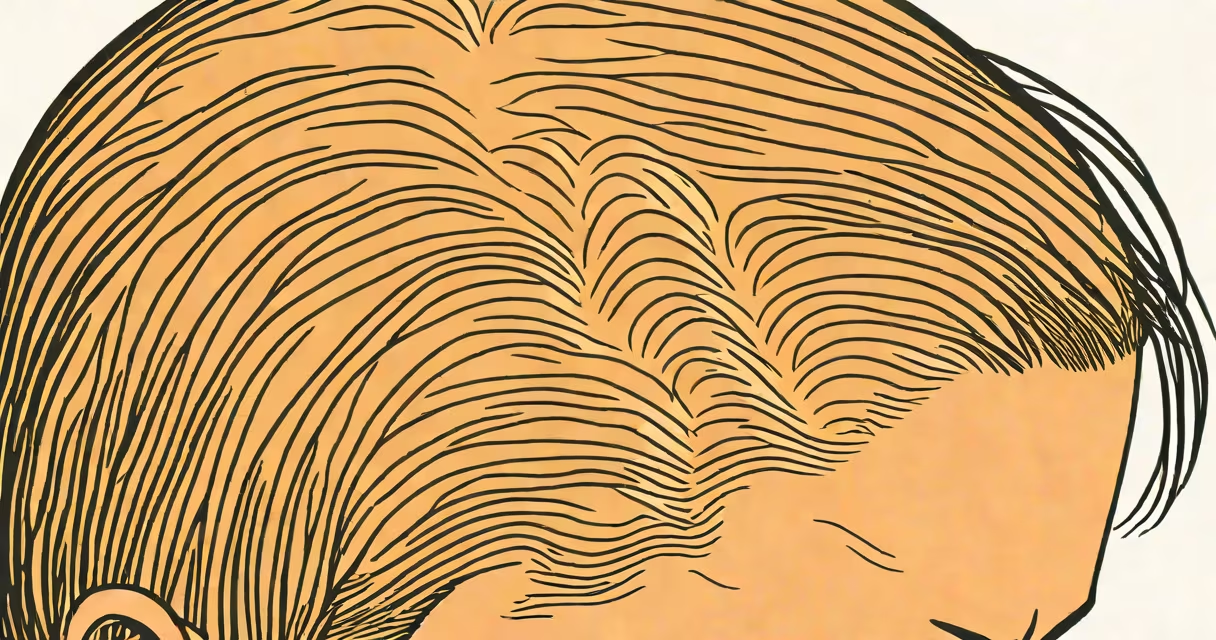
People lose their hair due to genetics, hormonal changes, medical conditions, medications, or environmental stressors. The most common cause is androgenetic alopecia, a hereditary condition affecting over 50 million men and 30 million women in the U.S. alone.
Hair growth occurs in cycles: anagen (growth), catagen (transition), and telogen (rest). When this cycle shortens or shifts prematurely, shedding increases. In androgenetic alopecia, dihydrotestosterone (DHT) binds to follicles, shrinking them over time. This process begins as early as adolescence and progresses gradually.
The American Academy of Dermatology states that about 80% of male hair loss cases stem from androgenetic alopecia. Women experience similar patterns but often show diffuse thinning rather than a receding hairline. DHT sensitivity varies genetically, meaning not everyone exposed to elevated DHT develops baldness.
Each hair follicle operates on a 2-6 year growth phase. After that, it enters a 2-3 week transitional phase before resting for about 3 months. Normally, 10-15% of scalp hairs are in the telogen phase at any time. Shedding 50-100 strands daily is typical.
When stress, illness, or hormonal fluctuations disrupt the cycle, more follicles enter telogen prematurely-a condition called telogen effluvium. This leads to sudden shedding weeks after a triggering event like childbirth, surgery, or severe infection. Recovery usually happens within 6 months, but persistent triggers may delay regrowth.
A study published in JAMA Dermatology found that 35% of patients reporting sudden hair loss had no identifiable cause, suggesting subclinical metabolic or immune factors may play a role. Blood tests for iron, vitamin D, thyroid-stimulating hormone (TSH), and ferritin are recommended when shedding exceeds 150 strands per day.
Not all hair loss is the same. The table below outlines major categories, their onset patterns, and typical causes.
| Type | Onset | Primary Causes | Recovery Potential |
|---|---|---|---|
| Androgenetic alopecia | Gradual, over years | Genetics, DHT sensitivity, aging | Low; treatment slows progression |
| Telogen effluvium | Sudden, 2-4 months post-event | Childbirth, crash dieting, high fever, trauma | High; regrows within 6-12 months |
| Alopecia areata | Acute, patchy | Autoimmune disorder, stress, genetics | Moderate; spontaneous remission in 30% |
| Scarring alopecia | Progressive, localized | Chronic inflammation, infections, autoimmune diseases | Low; irreversible damage to follicles |
One non-obvious distinction: androgenetic alopecia typically spares the occipital (back of the head) region. This is why hair transplants use donor follicles from that area. A 2021 study in Plastic and Reconstructive Surgery confirmed that 94% of transplanted follicles survive when harvested from the nape.
I once observed a patient with chronic telogen effluvium who reported losing 200 hairs daily after switching from a low-carb to a vegan diet. Iron levels were normal, but vitamin B12 was below 200 pg/mL. Within four weeks of supplementation, shedding dropped to 60 strands per day. This case illustrates how nutritional gaps can trigger hair loss even without obvious symptoms.
Many assume hair loss is solely genetic. While heredity plays a key role, external factors like tight hairstyles, excessive heat styling, or certain shampoos contribute minimally. The American Council on Science and Health notes that shampoo ingredients like sulfates or silicones do not cause permanent hair loss.
Another myth: "wearing hats causes baldness." Hats don't increase DHT or damage follicles. However, tight-fitting hats worn daily may lead to traction alopecia, especially in individuals with curly or fine hair. This form of hair loss results from constant pulling on the scalp, not from heat or sweat buildup.
Some believe that brushing hair 100 times daily strengthens roots. There's no evidence supporting this. Over-brushing damages the cuticle and increases breakage. Dermatologists recommend gentle combing during washing and avoiding brushing dry hair.
Chemotherapy drugs such as cyclophosphamide and doxorubicin interrupt cell division in rapidly dividing tissues-including hair follicles. Most patients begin shedding hair 7-14 days after treatment starts. A 2020 clinical review in Cancer Treatment Reviews reported that 90% of patients undergoing standard regimens lose all scalp hair within three weeks.
Recovery begins around week 4 post-treatment. New growth appears as fine, soft, often lighter-colored hair. Full regrowth takes 6-12 months. Cooling caps reduce hair loss by lowering scalp temperature during infusion, though they're not universally effective. A randomized trial showed a 50% reduction in hair loss among users, but only in patients receiving certain drug combinations.
Stress-related hair loss differs from genetic forms. It doesn't alter follicle structure permanently. Once stress resolves, the cycle returns to normal. However, chronic stress may accelerate underlying genetic predisposition.
Not all hair loss is reversible. Scarring alopecias destroy follicular units permanently. Early treatment with corticosteroids or immunosuppressants can slow progression. If you notice patchy bald spots, consult a dermatologist within two months to prevent irreversible damage.
Understanding why people lose their hair requires separating myth from biology. Androgenetic alopecia remains the most common cause, but medical events, nutrition, and autoimmune responses also play critical roles. Recognizing the difference between temporary shedding and permanent thinning guides appropriate action.