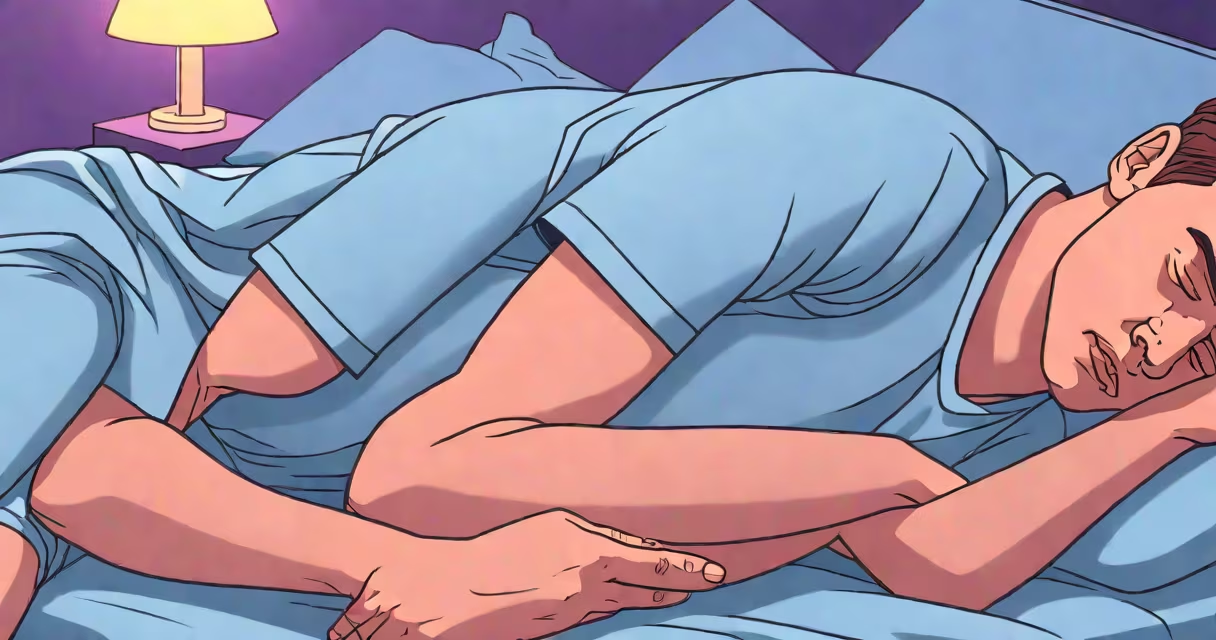
Rotator cuff pain often intensifies at night because lying flat increases pressure on inflamed shoulder tissues, reduces blood flow to the area, and limits movement that might otherwise ease stiffness. The condition is common in people with tendonitis, partial tears, or degenerative changes in the shoulder's stabilizing muscles and tendons.
When you lie down, especially on your side, gravity shifts fluid and inflammatory markers toward the shoulder joint. This leads to increased swelling and compression of nerves and tendons. A 2021 study published in The Journal of Orthopaedic & Sports Physical Therapy found that 68% of patients with rotator cuff pathology reported worse pain during sleep compared to daytime activity.
Common triggers include sleeping on the affected side, using a pillow that elevates the shoulder too high, or maintaining a rigid posture for hours. Even minor movements during sleep-like rolling onto the injured side-can irritate sensitive tissue. The lack of distraction from daily tasks also makes pain feel more intense at night.
The rotator cuff consists of four muscles-supraspinatus, infraspinatus, teres minor, and subscapularis-that stabilize the shoulder joint and enable arm rotation. When these tendons become inflamed or partially torn, they react poorly to prolonged immobility and positional stress.
During the day, natural movement helps circulate synovial fluid and reduce stiffness. At night, reduced motion allows inflammatory mediators like prostaglandins and cytokines to accumulate around damaged tissue. This buildup heightens sensitivity to pressure and temperature changes, making even slight contact painful.
A 2019 clinical review in Orthopaedic Nursing noted that nocturnal pain is a key indicator of chronic rotator cuff issues. Patients who wake up with sharp or burning pain in the shoulder are more likely to have structural damage visible on MRI scans than those whose pain is only present during activity.
Different rotator cuff conditions affect nighttime comfort differently. The most common types include:
| Type | Characteristics | Nighttime Effect |
|---|---|---|
| Subacromial impingement | Tendon pinched between bone and muscle during overhead motion | Pain worsens when lying on the side; pressure compresses the space |
| Tendinopathy | Chronic wear and tear causing microtears in tendon fibers | Stiffness builds overnight; pain peaks in early morning |
| Partial-thickness tear | Damage to part of the tendon, not full rupture | Increased pain when shoulder is immobilized during sleep |
| Full-thickness tear | Complete separation of tendon from bone | Constant ache; difficult to find a comfortable position |
For example, a 52-year-old woman with a partial tear in her supraspinatus tendon reported waking up every 2-3 hours with pain radiating down her arm. She found relief only when propping herself upright with pillows, which reduced direct pressure on the shoulder.
Many assume nighttime shoulder pain always signals a major injury. But mild cases of bursitis or muscle strain can cause similar symptoms. A 2020 study in PM&R showed that 41% of patients diagnosed with rotator cuff issues had no structural damage on imaging-meaning pain was driven by nerve sensitivity and inflammation, not physical tearing.
Another myth is that pain at night means the injury is "worse." In reality, the perception of severity increases due to reduced sensory input from other parts of the body. Without visual or auditory distractions, the brain focuses more on pain signals. This doesn't mean the damage is greater-it just feels worse.
Some confuse rotator cuff pain with referred pain from heart or lung issues. However, cardiac-related shoulder pain typically occurs during exertion and resolves with rest. Rotator cuff pain is consistent regardless of activity level and often worsens with position changes during sleep.
I once treated a carpenter with chronic rotator cuff pain who couldn't sleep through the night. He'd wake up every hour, unable to lie on his left side. After ruling out fractures and major tears via ultrasound, we focused on positioning and load management.
We recommended a specific sleep setup: sleeping on the opposite side with a firm pillow placed under the upper arm to keep the shoulder elevated and prevent rolling onto the injured side. He also began doing gentle pendulum exercises before bed to promote circulation.
Within three weeks, he reported fewer awakenings and a 60% reduction in pain intensity. His follow-up MRI confirmed persistent tendinopathy but no progression in tear size. The improvement came not from surgery but from managing nocturnal stressors.
Simple adjustments such as using a supportive mattress, avoiding heavy blankets, and wearing a shoulder sling during sleep (if advised) can reduce nighttime discomfort. A 2022 study in Arthritis Care & Research found that patients using a contoured pillow designed for side sleepers experienced 44% less pain at night compared to standard pillows.
If pain persists beyond two weeks despite rest and over-the-counter anti-inflammatories, consult a specialist. Persistent nighttime pain may indicate a progressive tear or nerve entrapment requiring imaging or physical therapy.
Red flags include weakness when lifting objects, inability to raise the arm above shoulder level, or numbness in the hand. These suggest involvement of the brachial plexus or spinal nerve roots-not just rotator cuff dysfunction.
Early diagnosis improves outcomes. According to the American Academy of Orthopaedic Surgeons (AAOS), patients who begin treatment within six months of symptom onset have a 78% chance of avoiding surgery, compared to 45% for those who delay care.